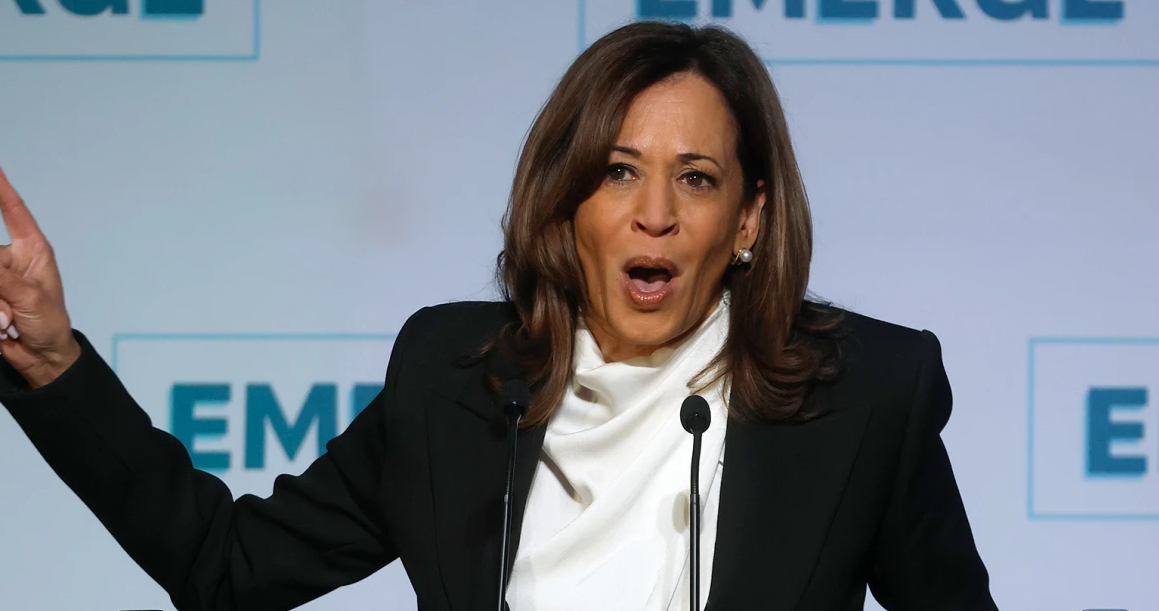
Former Vice President Kamala Harris is reportedly receiving a surge of calls and messages of support following President Donald Trump’s military strikes on Iran, with supporters claiming she warned against the escalation.
According to the Instagram account Things You Don’t Know (@thingsyoudontknow1), Harris has been “flooded” with outreach from Americans who believe her earlier warnings about military action have proven prescient.
Harris previously described the strikes as “a dangerous and unnecessary gamble with American lives,” accusing Trump of initiating “a war nobody asked for.”
Campaign Rhetoric Resurfaces
The renewed attention comes amid scrutiny of campaign-era rhetoric during the 2024 presidential race. At the time, Trump allies warned that a Harris presidency would drag the United States into global conflict.
Trump adviser Stephen Miller posted “Kamala = WWIII,” while former congresswoman Tulsi Gabbard argued that voting for Harris would be “a vote for war, war, and more war.”
Now, critics point out that Trump has authorized strikes that reportedly killed Iran’s Supreme Leader and triggered retaliatory attacks on U.S. bases across the region — developments that have significantly escalated tensions in the Middle East.
Bipartisan Unease
Opposition to the strikes has not been confined to Democrats. Republican Representative Marjorie Taylor Greene publicly criticized the action, noting that the party campaigned on a platform of “no more foreign wars.”
Public opinion also appears divided. A recent survey by YouGov found that just 33% of Americans approved of the strikes, reflecting broad skepticism about deeper U.S. military involvement overseas.
Political Fallout
The reported groundswell of support for Harris highlights how rapidly geopolitical developments can reshape domestic political narratives. Supporters argue that her warnings about escalation and the human cost of conflict now resonate more strongly as the situation unfolds.
The White House has defended the strikes as necessary for national security.
As tensions persist and retaliatory attacks continue, the political ramifications at home are likely to intensify, particularly as Americans weigh the costs and consequences of expanded military engagement.