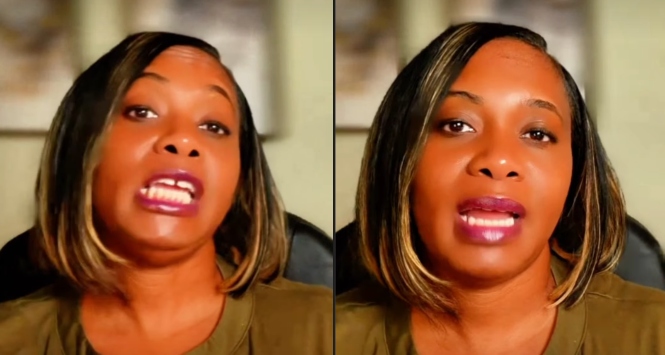
A viral video is shedding light on the often-overlooked emotional complexity of leaving toxic relationships, after a content creator outlined what she describes as the six stages of recovery, warning that many people never fully move on.
Ashley Marie, who runs the platform “Making Sense of Chaos,” has sparked widespread discussion online after explaining why leaving a harmful relationship does not immediately lead to happiness, despite common assumptions.
“The moment you leave, you don’t instantly become happy,” she said in the video. “You go through six stages—and most people get stuck in stage five.”
Breaking Down the Cycle

According to Ashley Marie, the recovery process begins with relief, as individuals experience a sense of freedom after exiting the relationship.
That is quickly followed by confusion, where people replay past events, questioning what was real and what was not.
The third stage, anger, involves recognizing patterns that were previously ignored or excused. But it is the fourth stage, withdrawal, that introduces a critical distinction.
“You’re not missing them,” she explained. “You’re missing the pattern… that’s not love. That’s conditioning. That’s a trauma bond.”
The concept of a trauma bond, where emotional attachment is reinforced through cycles of abuse and reward, has become a key topic in discussions about narcissistic and toxic relationships.
Where Many Get Stuck
Ashley Marie’s most striking point centers on stage five: grief, which she says is where many people remain trapped.
“Most people get stuck in grief, not because they lost the person, but because they won’t let go of the illusion,” she said.
This stage, she suggests, is marked by lingering hope that the other person will change, often leading individuals back into the same unhealthy dynamic.
Only after this phase, she explains, can individuals reach clarity, where they fully see the relationship for what it was, rather than what they hoped it could be.
A Growing Conversation on Emotional Recovery
The video has resonated widely, with viewers sharing personal experiences and identifying with different stages of the process.
Mental health professionals note that such frameworks, while simplified, can help individuals better understand their emotional responses after leaving difficult relationships.
The broader conversation reflects increasing public awareness around psychological patterns such as trauma bonding, emotional dependency, and recovery after abuse.
Beyond the Breakup Narrative
As discussions around toxic relationships continue to evolve online, Ashley Marie’s message challenges the idea that leaving is the hardest part.
Instead, it highlights the emotional work that follows, and the internal barriers that can make moving forward difficult.
For many viewers, her words captured a reality often left unspoken: walking away may be the first step, but healing is a process, and one that doesn’t always move in a straight line.