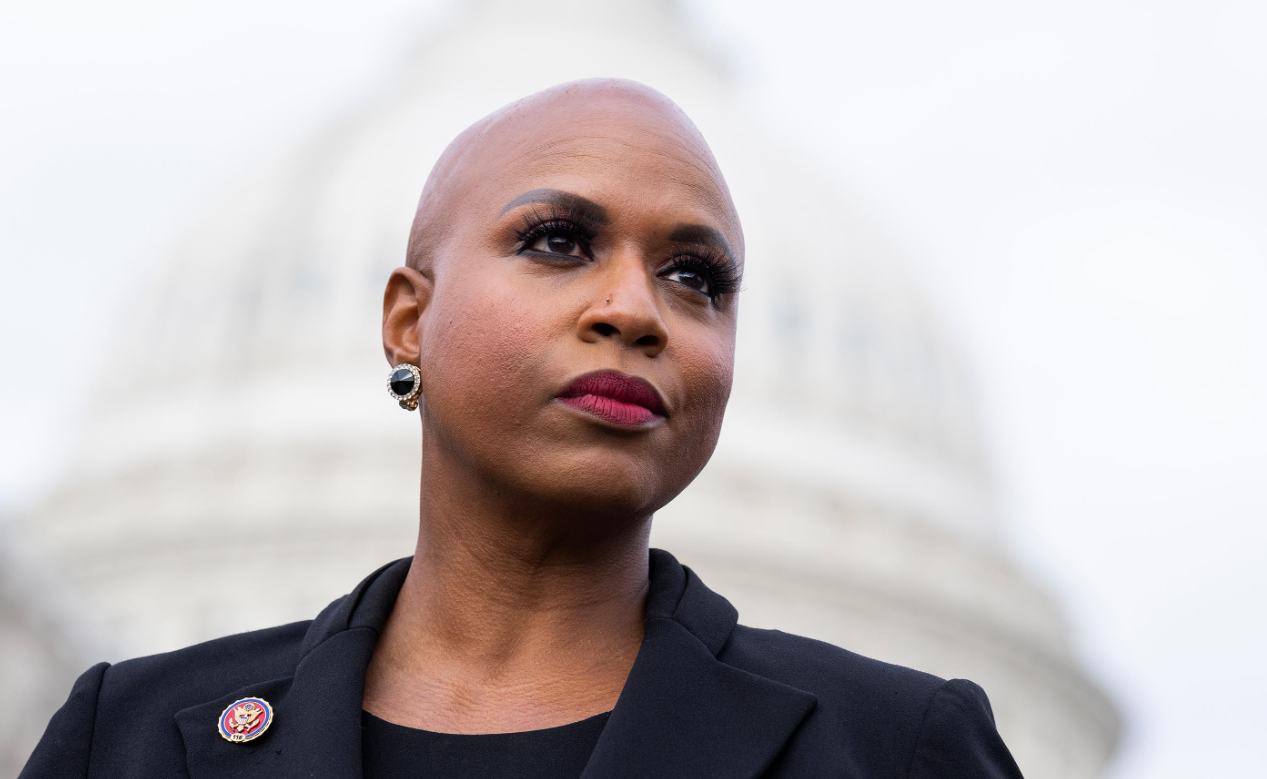
The House of Representatives on Tuesday approved a bipartisan effort led by Rep. Ayanna Pressley, D-Mass., to extend Temporary Protected Status for Haitians for three more years, clearing a major procedural hurdle and setting up a final vote later in the day.
By a 220-207 vote, lawmakers passed Pressley’s discharge petition, a rarely used maneuver that allows legislation to move forward even when House leadership has not scheduled it for consideration. The petition applies to legislation introduced by Rep. Laura Gillen, D-N.Y., that would extend Haiti’s Temporary Protected Status, or TPS, until April 2029.
Pressley, who represents Massachusetts’ 7th Congressional District and serves as co-chair of the House Haiti Caucus, managed debate on the House floor before the vote. Her district includes one of the nation’s largest Haitian diaspora communities.
The vote marked the culmination of months of organizing by Pressley and allies. Last month, her discharge petition reached the 218 signatures required to force House action, drawing support from both Democrats and Republicans.
On Monday, Pressley and Gillen stood alongside lawmakers and immigrant advocates at a Capitol Hill press conference urging Congress to act before protections for Haitian nationals expire. Afterward, Pressley headed to the House floor to formally trigger the first procedural vote on the measure.
Pressley has emerged as one of Congress’ most vocal defenders of Haitian immigrants as the Trump administration has sought to terminate TPS protections. Earlier this year, she praised a federal judge’s decision temporarily blocking the administration from ending the program, which protects more than 350,000 Haitians from deportation.
This week, Pressley joined Rep. Debbie Wasserman Schultz, Sen. Ed Markey and Sen. Chris Van Hollen in filing an amicus brief with the Supreme Court in Miot v. Trump, a case challenging the administration’s termination of TPS for Haiti and Syria.
For Pressley and supporters, Tuesday’s vote represented more than parliamentary procedure. It was a political lifeline tossed into stormy seas for thousands of Haitian families facing the possibility of deportation and separation.