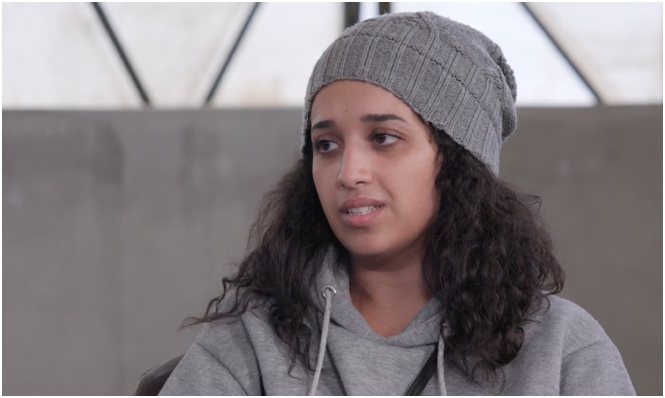
Hoda Muthana, the Alabama-raised woman who left the United States in 2014 to join ISIS, says she is “very desperate” to return home, even if it means facing prosecution and imprisonment.
Now living in the Roj detention camp in northern Syria with her 9-year-old son, Muthana has renewed her plea for repatriation in recent media interviews, expressing regret over her past actions and a desire to rebuild her life.
In interviews with international outlets, Muthana said she wants to return to the United States to stand trial if necessary.
“My goal is to help younger people… who are falling for this ideology, wake up and realize that it’s not the truth,” she said, describing extremist messaging as a distortion of Islam.
Her statements mark a stark contrast to her alleged social media activity in 2015, when posts attributed to her account encouraged acts of violence in the United States, including attacks on civilians during national events.
A Controversial Past
Muthana’s journey began in Hoover, Alabama, where she was raised in a conservative Muslim household after being born in New Jersey to Yemeni parents.
At age 20, she told her family she was going on a school trip but instead traveled to Turkey and crossed into Syria, using funds she secretly obtained by cashing tuition checks. Once inside ISIS-controlled territory, she married multiple fighters; two of her husbands, including the father of her son, were later killed.
Muthana has since claimed she was manipulated and “brainwashed” after arriving in Syria, and has denied responsibility for some of the extremist messages posted online under her name, alleging her device was used by others.
Legal and Political Barriers
Her case has become one of the most debated issues surrounding ISIS returnees. The Obama administration revoked her U.S. citizenship in 2016, arguing she was not entitled to it due to her father’s diplomatic status at the time of her birth. The Trump administration upheld that position, effectively barring her re-entry into the country.
Legal experts say her situation highlights complex questions about citizenship, national security, and the responsibility of governments toward citizens who joined extremist groups abroad.
While some argue she should face justice in the U.S., others maintain that allowing her return could pose security risks.
Family Ties to Extremism
The controversy surrounding Muthana deepened in 2023 when her sister, Arwa Muthana, and brother-in-law James Bradley pleaded guilty to attempting to support ISIS.
The pair were arrested in 2021 while preparing to travel overseas and was later sentenced to prison, according to the U.S. Department of Justice.
A Continuing Debate
Muthana’s case remains emblematic of the broader global challenge of dealing with foreign nationals who joined ISIS and are now detained in camps across Syria and Iraq.
Human rights advocates have called for structured repatriation and prosecution processes, while governments continue to weigh legal, political, and security implications.
For now, Muthana remains in limbo, expressing remorse and seeking a path home, while her fate continues to be shaped by legal rulings and policy decisions far beyond the camp where she lives.