
For Lisa Moore, Monday, June 30, marked the end of an era—and the beginning of a crisis. After six years serving as Head of Research Services at the Amistad Research Center, one of the nation’s most significant Black history archives, Moore stepped down amid sweeping funding cuts that have jeopardized the center’s ability to operate.
“This is heartbreaking,” Moore told WWL Louisiana on her final day. “We can’t provide the access that is the mission of the organization. There is no Research Services staff.”
The center, located on Tulane University’s campus, has lost 40% of its federal funding, resulting in the layoff of half of its 14-member staff. While its 900+ archival collections remain physically secure in climate-controlled conditions, its ability to serve researchers and preserve access to rare materials has been paralyzed.
“Archives hold the receipts,” Moore said. “The history you’re taught in school books is edited. It behooves you to learn more about the fuller experience of American history.”
Founded to document the lived experiences of African Americans and other marginalized communities, the Amistad Research Center has long been a vital resource for scholars, activists, and artists. Its collections span civil rights, labor organizing, African American visual art, and personal letters between prominent figures—documents rarely found in mainstream textbooks.
Among those documents: letters between author Zora Neale Hurston and groundbreaking civil rights attorney Pauli Murray, and the papers of Edward R. Dudley, the first Black U.S. ambassador to Liberia. One collection highlights the Federation of Southern Cooperatives, a civil rights-era coalition of Black and white farmers advocating for economic justice.
“You stumble on things like Louise Jefferson’s letters to Pauli Murray,” Moore said. “It’s like, wow—they were roommates in college, and now we’ve got the receipts.”
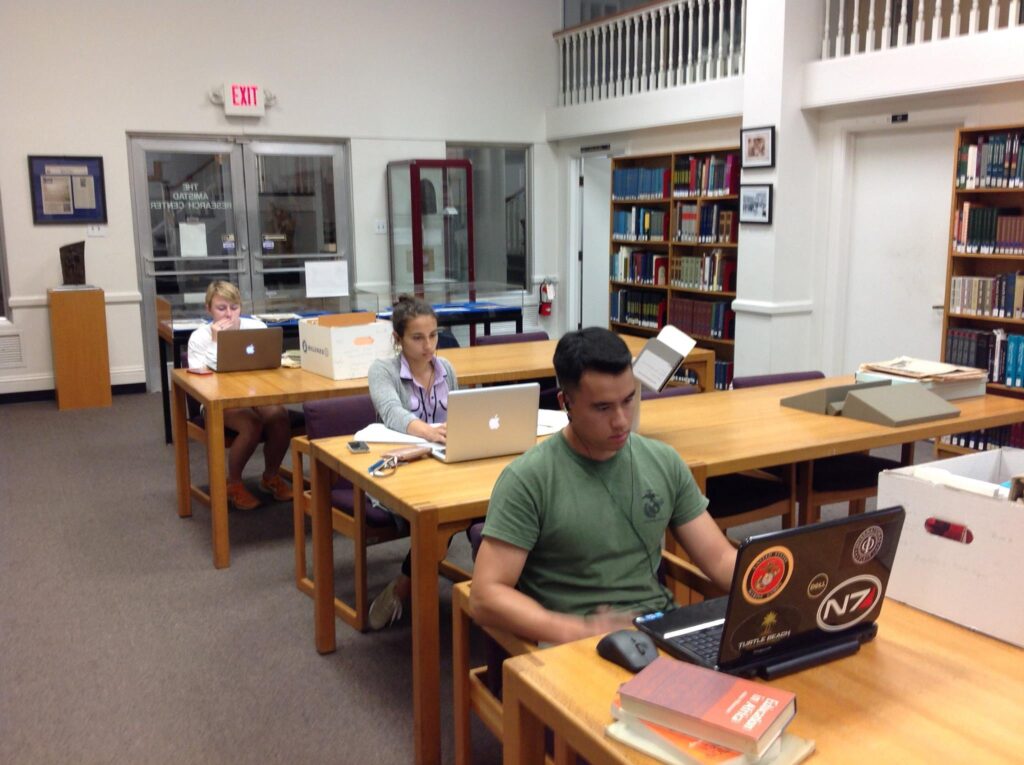
But now, with no full-time research staff, these materials are effectively hidden. Research requests go unanswered, and donations and volunteer efforts have become the only lifeline.
The center is urging the public to support its recovery through SaveBlackHistory.org, where donations will help rehire staff and restore public access.
“Donate money. Tell your friends to donate,” Moore said. “Amistad deserves to be here like all the other archives.”
Though she’s stepping down from her official role, Moore says she’s willing to return in a limited capacity—if the funding allows.
“What’s the point of it being here if nobody knows it’s here?” she asked.
As the Amistad Research Center remains closed for the holiday weekend, its fight for survival continues online. For Moore and many others, the urgency is not just about preserving papers—it’s about preserving truth.


