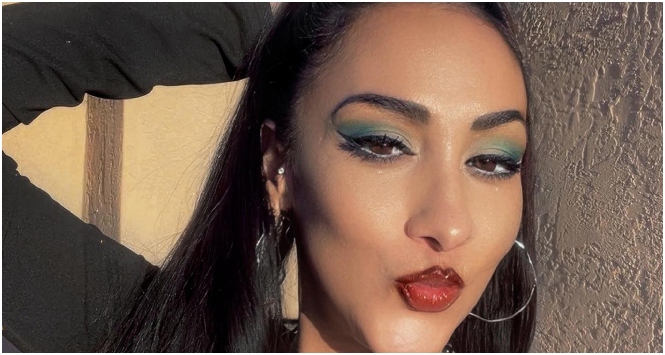
In a case that has shocked the medical community and raised urgent ethical questions, a New Mexico woman narrowly escaped having her organs harvested while still alive.
Danella Gallegos, a 38-year-old woman who was homeless at the time, fell into a coma in 2022 and was hospitalized at Presbyterian Hospital in Albuquerque. Doctors initially declared she had no chance of recovery. Devastated and convinced there was no hope, her family agreed to donate her organs.
But in a stunning turn of events, Gallegos wasn’t gone.
As hospital staff began prepping her for organ retrieval surgery, they noticed that she was blinking on command—a critical sign of awareness.
One of her sisters also reported that Danella squeezed her hand. Despite these unmistakable signs of consciousness, an organ procurement coordinator allegedly instructed doctors to administer morphine and proceed with the surgery, according to reporting from The New York Times.
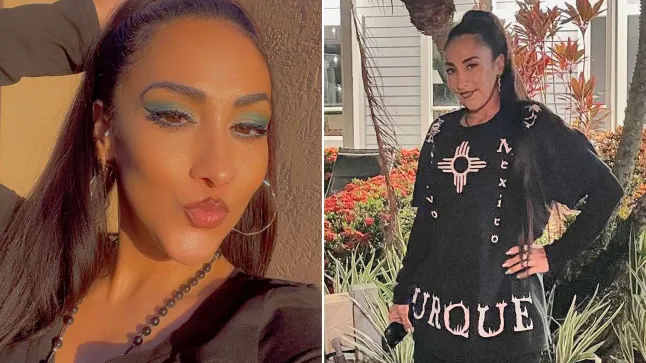
Gallegos’ family said they had seen tears in her eyes in the days leading up to the scheduled procedure, but doctors had brushed it off as a common reflex in coma patients.
Thankfully, some members of the medical team refused to continue with the operation. Gallegos was pulled out of surgery just in time and made a full recovery.
Now fully alert and able to speak, Gallegos has recalled experiencing fear and awareness during her coma but being completely unable to communicate.
“I feel so fortunate,” she said. “I was aware but couldn’t move or speak.”
Pressure From Donor Organization
According to hospital staff, immense pressure was coming from New Mexico Donor Services, the local organ procurement organization (OPO). Some hospital workers described the group as “aggressive” and “all about getting organs.” The organization has denied wrongdoing, while Presbyterian Hospital has also distanced itself from the decision-making process.
Now, both the hospital and the donor agency are reportedly blaming each other, and a formal investigation has been launched to determine how a living patient came so close to being wrongfully declared dead and harvested for her organs.
A National Conversation
This incident raises broader concerns about the safeguards—or lack thereof—in the U.S. organ donation system, especially in cases involving vulnerable individuals like the homeless or medically underserved.
The role of organ procurement organizations has come under increased scrutiny, with critics arguing that aggressive targets and financial incentives may be leading to dangerous ethical lapses.
Gallegos’ case is expected to be reviewed by state medical boards, hospital oversight committees, and possibly legal authorities in the coming months.