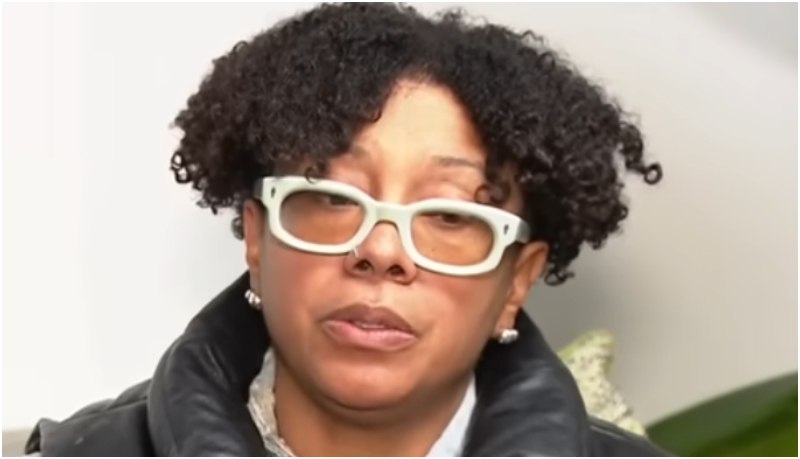
A District of Columbia judge ruled Thursday, Dec. 11, 2025, that Shadija Romero has no legal tenancy rights in a Northwest D.C. home and can be removed immediately, ending a weeks-long standoff that has gripped the city and exposed glaring holes in local housing law.
Superior Court Judge Yvonne Williams upheld a prior agreement Romero signed to vacate the property, rejecting her claim to remain as a tenant. The ruling means the homeowner can now proceed with eviction through the U.S. Marshals Service without the lengthy tenant-protection process that normally applies in the District.
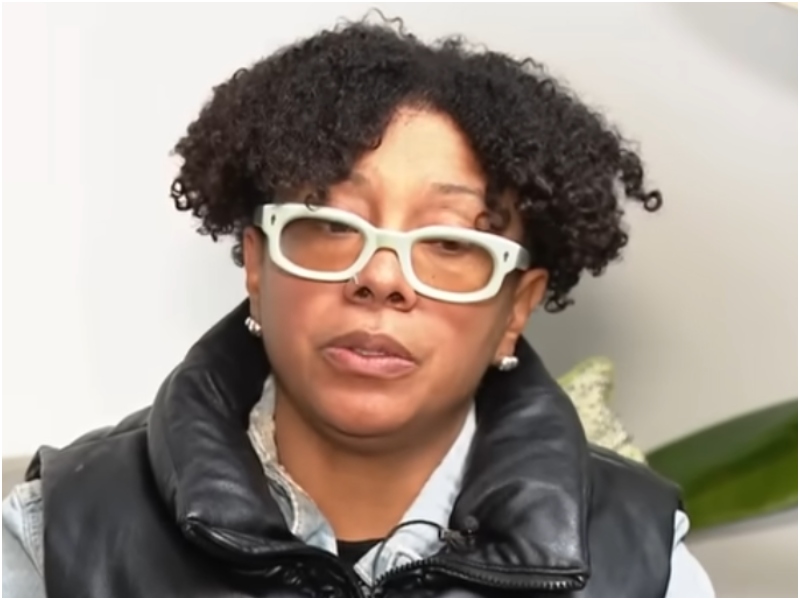
During Thursday’s hearing, Romero took the stand under oath. When questioned about a previous eviction on her record, she told the court she could not recall the case—contradicting statements she made on camera to 7News just days earlier, when she flatly denied ever being evicted despite being shown court documents.
The judge entered the prior eviction into evidence and noted that Romero’s credibility had been undermined.
Romero requested the entire case be sealed; the judge granted limited protection for personal contact information but kept the proceedings public.
The dispute began when the homeowner returned from abroad to find Romero living in the house. Romero claimed she had a verbal agreement with someone she believed was authorized to rent the property. The homeowner insisted no such arrangement existed and accused Romero of squatting.
Because D.C. law grants strong protections once tenancy is established—even briefly—landlords often face months-long court battles to regain possession. Thursday’s ruling sidesteps that process by determining no tenancy ever existed.
The case has sparked intense debate over the District’s tenant-friendly laws, which critics say can be exploited, while tenant advocates argue the rules prevent wrongful displacement in a city with skyrocketing rents.
City officials confirmed to 7News that Council members and the Bowser administration are now fast-tracking reviews of how tenancy is defined, particularly in short-term and informal rental situations. Sources say changes could come as early as the spring legislative session.
For the homeowner, relief is immediate. For Romero, the outcome means leaving a home she had occupied for weeks—along with questions about how the District balances ironclad tenant protections with preventing abuse of the system.