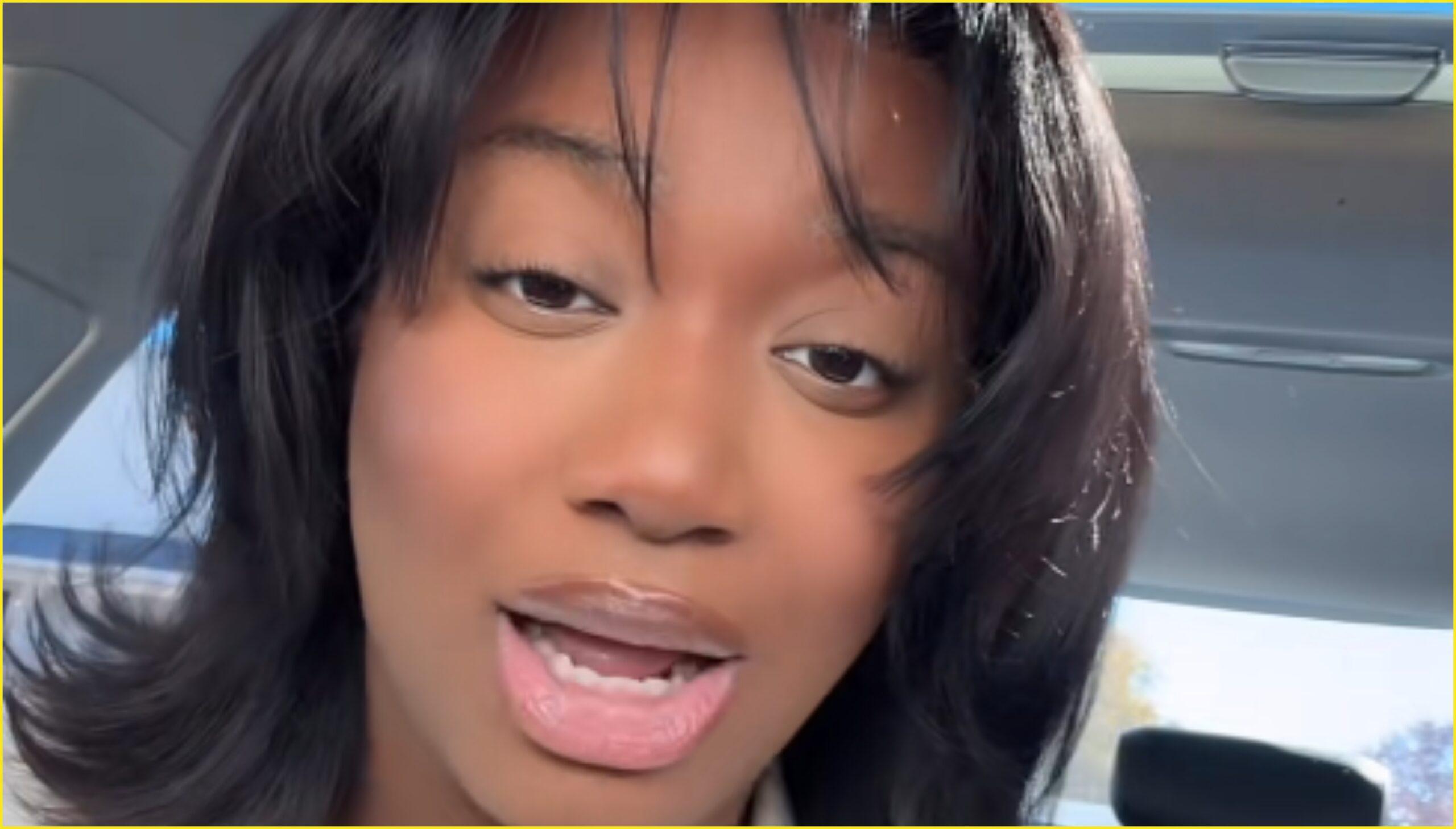
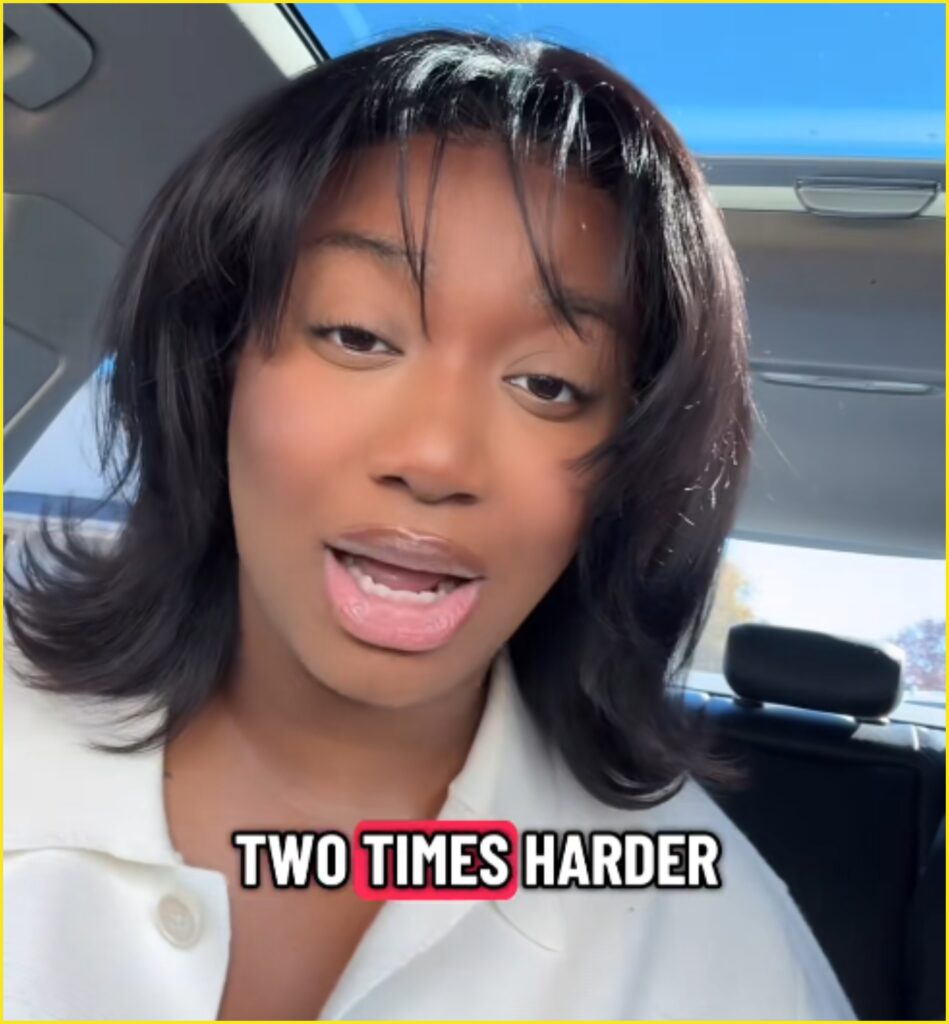
A Black TikToker known as @black_carddeclined has set off a storm of discussion online after posting a blunt message about personal accountability.
The digital creator is challenging what she says is the tendency for some people to blame racism for outcomes that might actually stem from a lack of effort or discipline.
In her viral video, she begins with a line that instantly grabs attention:
“You’re not gonna like this, but maybe it’s not racism. Maybe you just suck.”
It’s a statement that’s both jarring and disarming, and it’s sparked thousands of comments from viewers — some praising her honesty, others accusing her of dismissing systemic inequality.
A Call for Self-Reflection — Not Denial of Racism
In the two-minute clip, the creator — a Black woman herself — carefully walks a line between critique and empowerment. Her message isn’t that racism doesn’t exist, but that not every personal setback can be explained by it.
“Maybe you didn’t get the job because you just weren’t the right fit,” she says. “Maybe they don’t like you, not because of your race, but because your personality could use some work. Maybe you talk more than you listen.”
Rather than aiming her message outward, she directs it inward — toward self-improvement and ownership.
“If it is you, you can change that,” she says. “If it’s racism, then you’re stuck waiting for somebody else to fix the world. But if it is you, you can grow and improve.”
Her video ends on an almost motivational note:
“Knowing that your excellence isn’t limited by your race, but only by your effort, that’s one of the most freeing realizations you’ll ever have.”
Reactions: “Tough Love” or Tone-Deaf?
The comment section on her post became a microcosm of a broader cultural conversation.
Some users applauded her for saying out loud what they believe many are afraid to.
“Finally someone said it. We need more accountability, not excuses,” one commenter wrote.
Others accused her of oversimplifying systemic racism and ignoring real barriers that Black professionals and students continue to face.
“You can’t ‘work harder’ out of discrimination,” one viewer argued. “That’s not how bias works.”
The tension between these two perspectives — personal responsibility vs. structural inequality — is a debate as old as modern race discourse itself. What’s new is that it’s now being hashed out on platforms like TikTok, where short, punchy videos can ignite global conversations overnight.
A Generational Shift in the Black Discourse
Cultural analysts say this type of message resonates particularly with younger audiences who value directness and self-agency over rhetoric.
A sociologist at Howard University once said that “Black creators today are increasingly blending cultural critique with personal empowerment. They’re not denying racism — they’re refusing to be defined by it.”
She adds, “There’s a difference between victim-blaming and self-awareness. What this TikToker did was provoke a necessary question: When does accountability begin, even in an unequal world?”
The Courage to Say What’s Uncomfortable
What makes @black_carddeclined’s message compelling — and controversial — is its raw honesty. She dares to say what many think privately but avoid saying publicly: that not every obstacle is rooted in race, and that self-discipline and humility still matter.
It’s not a denial of racism, but a challenge to overreliance on it as a universal explanation. Her tone — part motivational, part confrontational — reflects a growing trend among young Black thinkers and influencers who want to move the conversation from pain to progress.
Whether one agrees or not, her video forces an uncomfortable but valuable reckoning: In a world where racism is real but not omnipotent, what do we do with the agency we do have?