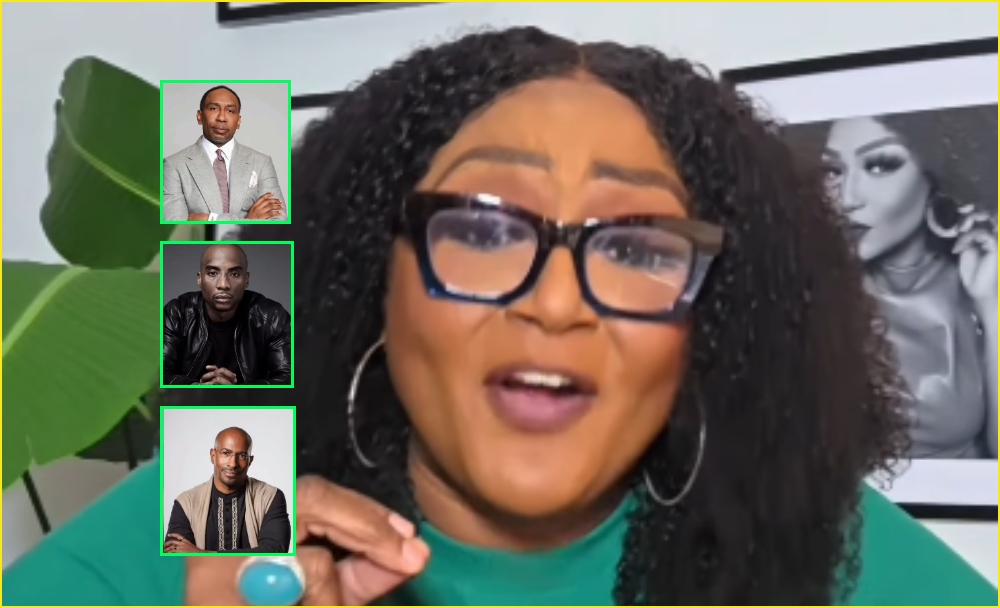
Social commentator Nikki Free has posted a blistering critique of what she calls the rise of the “performative Black contrarian” — a growing class of high-profile voices she says are confusing, rather than empowering, Black audiences.
In a widely shared Instagram post and accompanying video, Free argues that some recognizable figures have turned “keeping it real” into branding, neutrality into a hustle, and “truth-telling” into a stage act designed to undermine progress while appearing courageous.
Every mic ain’t a weapon
Free opens with a sharp warning:
“Some of our most visible voices aren’t liberating us, they’re confusing us… Every mic ain’t a weapon. Some are a leash.”
Her critique targets commentators — from YouTube personalities to political pundits — who market themselves as independent thinkers while consistently siding with institutions that harm Black communities.
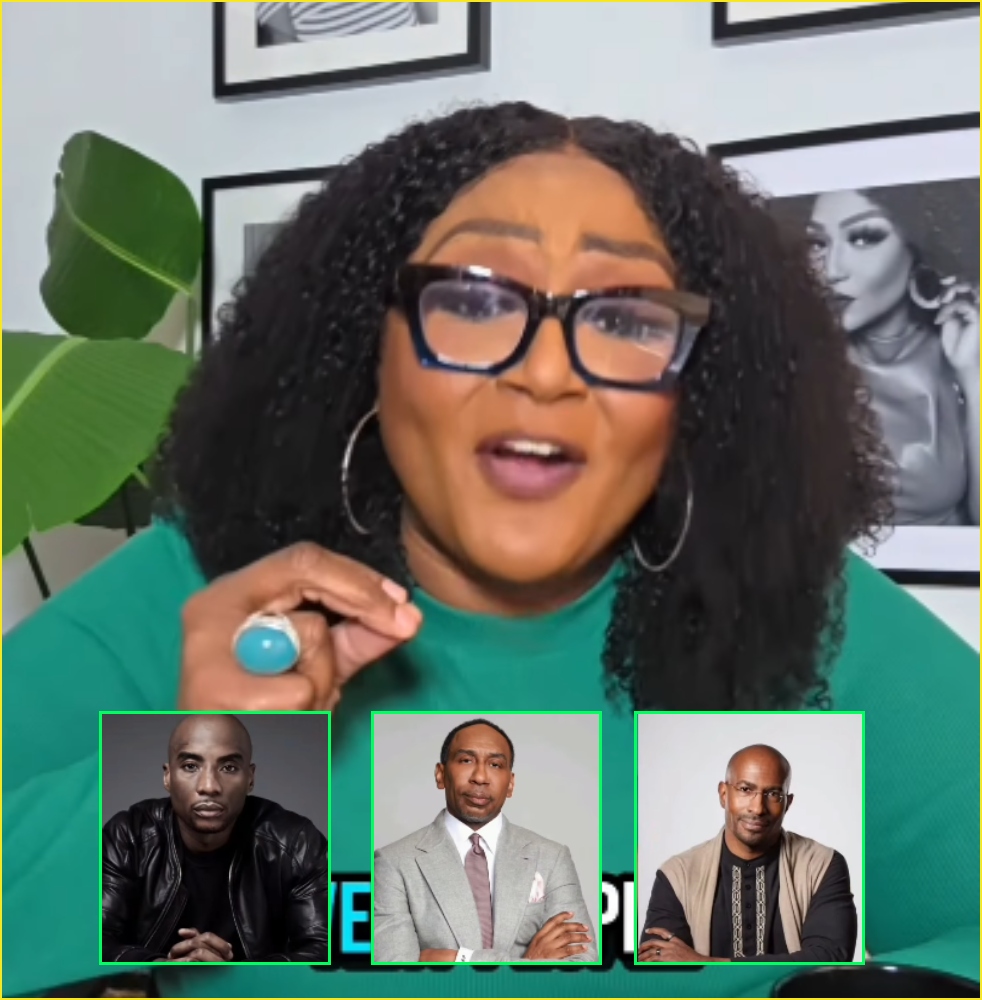
She didn’t mention them by name, but her viral video flashed the images of renowned media personalities such as Stephen A. Smith, host of The Straight Shooter; Charlamagne tha God, co-host of the nationally syndicated show, The Breakfast Club; and Van Jones, host of The Van Jones Show.
Turning Contrarianism Into Currency
In the video, Free expands her point:
- These voices “don’t challenge systems of power… they challenge the very people trying to dismantle them.”
- They once used the language of liberation, she argues, but now deploy that same language against grassroots movements.
- They dismiss Black leadership as sell-outs, label Black voters “sheep,” and deliver what Free calls “nothing but cynicism and chaos.”
Her sharpest charge: some aren’t fighting the system at all, they’re feeding it, monetizing their contrarian stance while sowing confusion.
A Growing Tension in Black Media Spaces
Free’s critique taps into a broader frustration within Black political and cultural circles: the rise of influencers and analysts who frame themselves as anti-establishment truth-tellers but often echo talking points that align with entrenched power structures.
Supporters argue these commentators offer healthy skepticism. Critics say they punch down more often than they punch up, diluting collective action with performative neutrality and profitable outrage.
Free’s post doesn’t name names — but it doesn’t have to. The commentary lands at a moment when several well-known personalities have been publicly questioned for shifting political stances, watered-down rhetoric, and sudden alignment with institutions they once condemned.
They’re not building anything
Free’s most pointed accusation comes near the end:
“They’re burning credibility for clout.”
Her message resonated widely, with commenters praising the clarity of her critique and noting the increasing difficulty of distinguishing genuine dissent from contrarian performance.
As Free puts it, some voices have turned confusion into a career, and their rise has forced audiences to become more discerning about who speaks for liberation, and who merely speaks loudest.