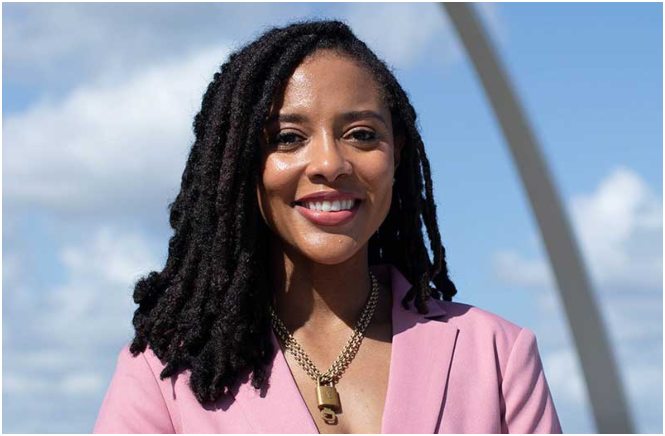
South Carolina State Representative Courtney Waters is celebrating what she described as a major victory for voter participation after record turnout during the first day of early voting in the state.
In a passionate Instagram video, Waters praised residents for mobilizing in large numbers amid ongoing political tensions surrounding congressional maps and proposed election scheduling changes.
“South Carolina, y’all did the doggone thing today,” Waters said. “The Senate knew that they could not simply throw out tens of thousands of votes.”
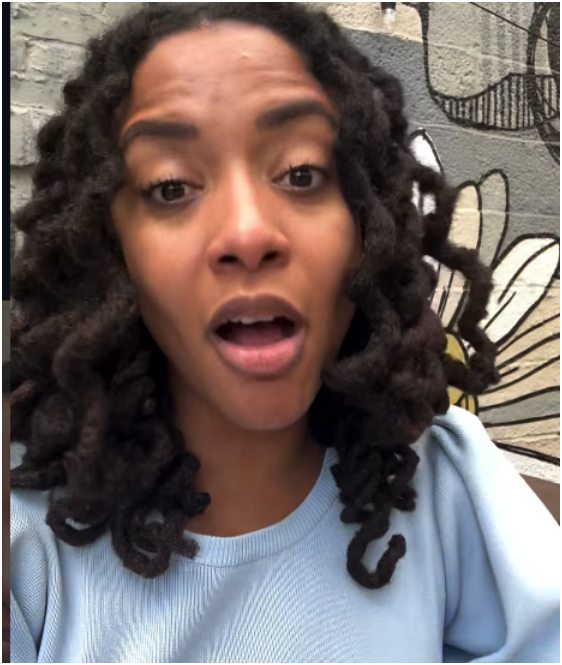
According to Waters, lawmakers pushing efforts tied to redistricting and changes to primary election timing were unable to secure enough support for cloture, a parliamentary procedure used to limit debate and move legislation forward more quickly.
“They did not have the votes to cloture,” she explained. “They knew that people would just continue to vote, continue to vote, and that this process would drag on and on until it just became impossible to make it happen.”
Waters said more than 30,000 people voted on the first day of early voting, which she characterized as unprecedented turnout for an opening day in the state.
“This is record turnout,” she said. “We have never had this many people turn out to vote on the first day of early voting.”
The Democratic lawmaker pointed out that the turnout was evidence that civic engagement can directly influence legislative and electoral outcomes, particularly during disputes over voting access and election administration.
“For the folks who say that our votes don’t matter, they do,” Waters said.
She also referenced absentee and military voters, arguing that high turnout made it politically and practically difficult for officials to alter election timelines after voting activity had already begun.
“They could not do this because you came out in droves,” she said. “You pushed back this attempt to change the way that we are voting in our congressional races this year.”
The video comes amid heightened national scrutiny over voting laws, redistricting battles, and election procedures in several Southern states. Voting rights advocates and lawmakers across the political spectrum have increasingly debated the impact of map redraws, primary scheduling, and access to early voting.
Waters concluded her message by encouraging continued civic participation as election season progresses.
“We’ve got races to win,” she wrote in the caption. “When we vote, we win.”