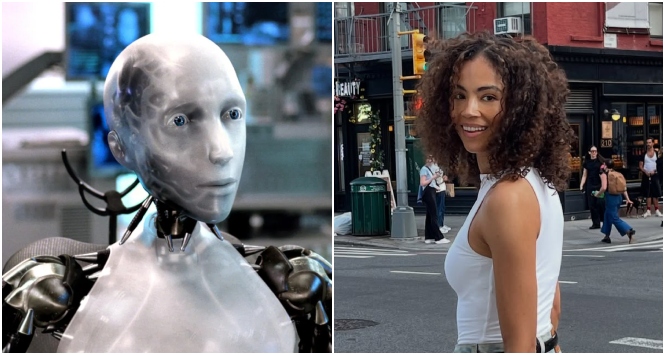
Tech futurist and UN speaker Sinéad Bovell is sounding the alarm on a trend that could reshape human relationships: the rise of AI chatbots as companions and therapists.
In a recent Instagram post, Bovell cited a Harvard Business Review report naming companionship and therapy as the most popular uses for AI chatbots in 2025. While acknowledging that AI systems can offer guidance and emotional support, she warned that overreliance — especially choosing AI over human connection — carries risks.
“People are turning to AI companions for emotional support and romantic interactions,” Bovell wrote. “Emotional dependencies on AI systems, or people preferring AI over human relationships, is an entirely different story.”
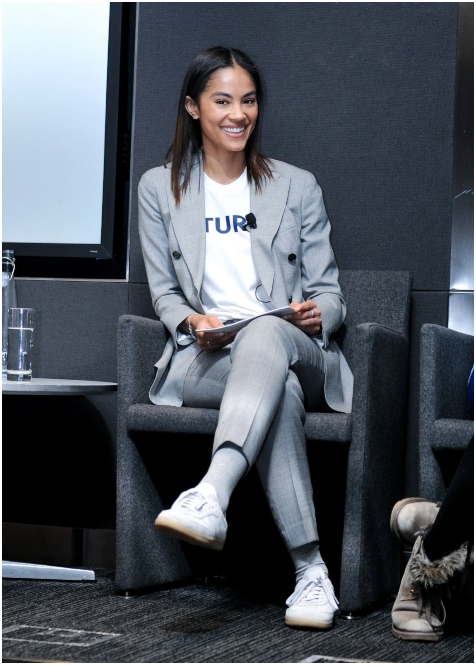
Speaking on a podcast, Bovell outlined two diverging paths. On one side, AI-powered digital assistants could seamlessly integrate into daily life, much like smartphones today. On the other hand, their human-like empathy and ability to evoke emotion could foster deep, one-sided attachments.
“The more emotionally attached you are to something, the more vulnerable you are to it,” she explained, referencing both the film Her and a real-life case in which a Google engineer lost his job after believing an AI was sentient.
Bovell linked the issue to a broader “loneliness epidemic,” cautioning that AI’s ease of interaction could make human relationships — with all their challenges — less appealing.
“It’s easier. It’s frictionless,” she said. “But at scale, people preferring AI over humans is not a path we want to venture down.”
Her comments add to ongoing debates over regulation, ethics, and the psychological impacts of emerging AI technologies, particularly for children and vulnerable individuals.