
The Texas House of Representatives approved a controversial Republican-backed congressional redistricting map late Wednesday, triggering an outpouring of frustration from Democratic lawmakers who say the plan amounts to unconstitutional gerrymandering.
The newly drawn map could flip as many as five Democratic-held seats by merging districts in Houston, Dallas-Fort Worth, and Austin into GOP-leaning territory, while also making two Rio Grande Valley districts more competitive. Democratic Reps. Al Green, Marc Veasey, Julie Johnson, Greg Casar, and Lloyd Doggett are among those whose districts could be threatened.
Republicans advanced the measure on a party-line vote, setting the stage for expected litigation. Democratic leaders have already vowed to challenge the maps in federal court, arguing they violate protections under the Voting Rights Act by diluting the political strength of communities of color.
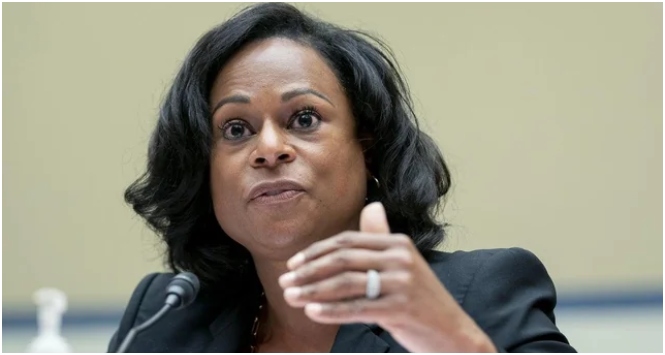
In the hours after the vote, Democratic Rep. Nicole Collier delivered an impassioned response from the House floor.
“Look, I’m not gonna lie. I want to cry. But I’m too angry,” Collier said. “My feet hurt, my back aches, but I think about the people who have no home, who have no bed to sleep in, who have no job to work at. I think about the people who don’t earn livable wages. I think about the people who don’t have healthcare. I can fix my back. But what are we gonna do for them? … The fact that I’m still mad, angry and furious means that I still want to fight.”
Collier, who remained inside the Capitol alongside colleagues during marathon deliberations, framed the battle over redistricting as larger than one legislative fight.
“Today is not the end. It is the start of a new beginning of a new Democratic Party where we won’t back down. We won’t put up with that. And we will push and push and push until we take over this country,” she declared.
Legal scholars note that while mid-decade redistricting is not explicitly prohibited under federal law, it is unusual and often subject to constitutional scrutiny. Previous challenges to Texas maps have reached the U.S. Supreme Court, with mixed outcomes depending on the balance between claims of racial gerrymandering and partisan redistricting.
The bill now heads to the Texas Senate and, if approved, will be sent to Gov. Greg Abbott, who has signaled strong support. Abbott has also said he will propose legislation to penalize lawmakers who deny quorum in future sessions, a move Democrats describe as retaliatory.
With litigation expected once the maps are signed into law, the political and legal showdown over representation in Texas appears far from over.