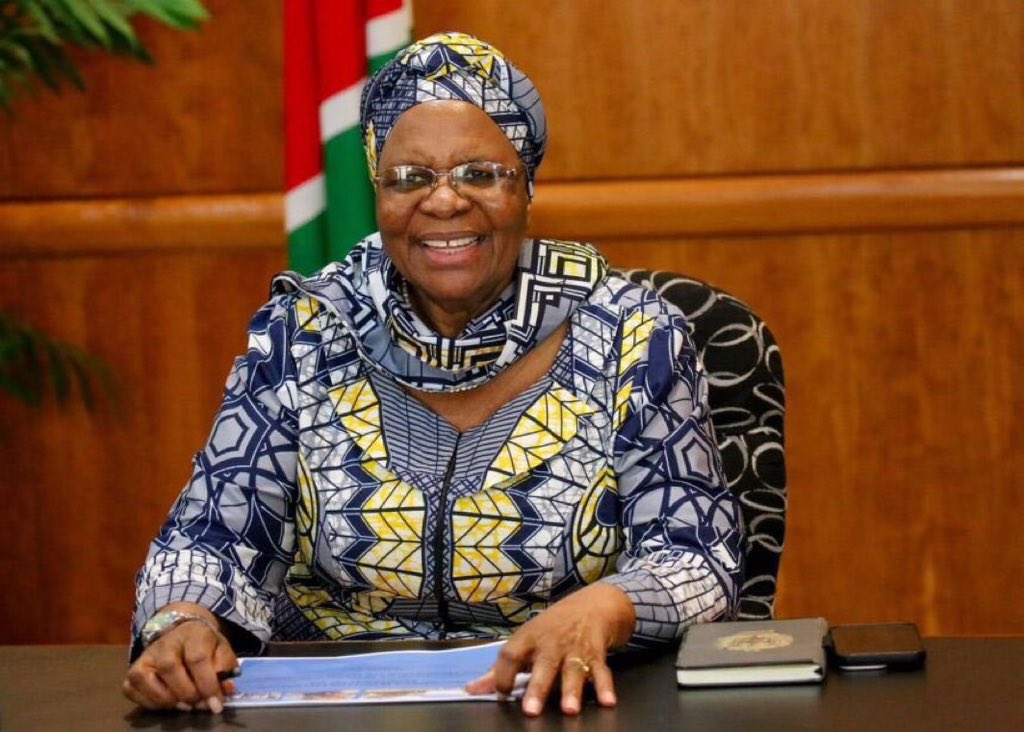
On March 21, 2025, Netumbo Nandi‑Ndaitwah stepped onto the steps of the State House in Windhoek and into history, becoming the second African nation’s democratically elected woman president. In a country long recognized for advancing gender equality, her victory still carried the electricity of a first. For many Namibians, it felt less like a milestone and more like a mandate for change.
Her inauguration speech did not linger on symbolism. Instead, Nandi-Ndaitwah trained her focus on the economic anxieties pressing on households across the country. Education and workforce training, she pledged, would anchor her presidency. Technical skills, managerial capacity and work ethic would be sharpened to meet labor market needs and stimulate job creation.
Namibia’s past casts a long shadow over that promise. As a former German colony and later a territory under South African apartheid rule, the nation entered independence in 1990 with a deeply unequal economic structure. Today, 64 percent of Namibians live on less than $5.50 a day, and youth unemployment hovers near 43 percent. The wealth gap remains among the widest in Africa.
Nandi-Ndaitwah has made economic diversification a centerpiece of her agenda. She has called for expanding opportunities in agriculture, fishing, tourism, creative industries and sports, while also prioritizing oil, gas and agro-processing. Beginning in 2026, her administration plans to waive registration and tuition fees for universities and vocational institutions, aiming to widen access to education and digital skills for young people.
She has also emphasized adding value to Namibia’s critical minerals domestically rather than exporting raw materials for processing abroad. The goal is to bring labor-intensive industry back to coastal towns and ensure the country reaps fuller economic benefits from its resources.
Beyond economics, her presidency is reshaping governance. Women now hold 60 percent of cabinet posts, placing Namibia among a small group of countries where women dominate top leadership roles.
Winning 57 percent of the vote, Nandi-Ndaitwah enters office with both public trust and towering expectations. Her challenge is formidable. Her vision is clear: a united Namibia where inclusive leadership fuels shared prosperity.