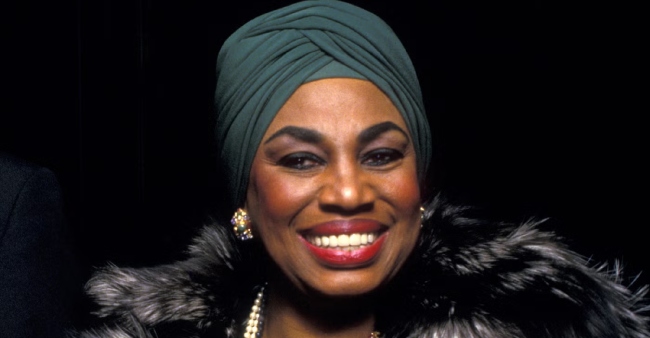
Celebrated American soprano Leontyne Price remains one of the most influential voices in classical music history, remembered for shattering racial barriers when she became the first woman of color to perform as a leading artist at the Metropolitan Opera in 1961.
Her historic debut marked a turning point not only for opera but also for representation in elite cultural institutions during an era still shaped by segregation in the United States.
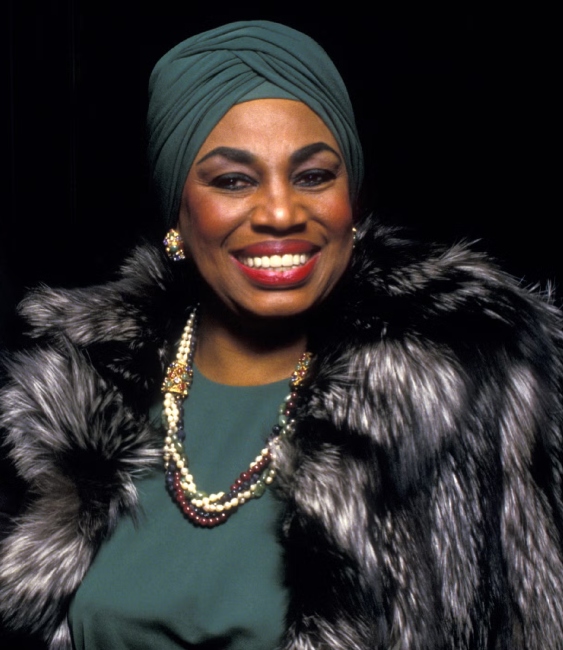
Historic Rise to International Acclaim
Born Mary Violet Leontyne Price on February 10, 1927, in Laurel, Mississippi, she developed a passion for music early, encouraged by her family and church community. After studying voice at Juilliard School, her powerful lyric soprano quickly attracted attention.
Price made her opera stage debut at the San Francisco Opera in 1957, launching a career that soon carried her to global prominence.
By the late 1950s, she was performing across Europe, including appearances at the Royal Opera House and Italy’s famed La Scala.
Breaking Barriers at the Met
Price’s 1961 debut at the Metropolitan Opera as Leonora in Il Trovatore earned widespread acclaim and marked the beginning of her long residency as one of the company’s leading sopranos.
She went on to become internationally celebrated for major roles in productions such as Aida, Antony and Cleopatra, and Madama Butterfly, helping redefine expectations for Black performers in classical music.
Her success came at a time when opportunities for African American artists in opera were limited, making her achievements both groundbreaking and symbolic.
Awards, Legacy and Lasting Influence
Throughout her career, Price received numerous honors, including the Presidential Medal of Freedom in 1964 and the National Medal of Arts in 1985. She also earned more than a dozen Grammy Awards for her recordings.
She retired from opera in 1985 after a celebrated farewell performance in Aida, but her influence continues to shape generations of singers.
Today, Price is widely recognized as a pioneer whose career opened doors for Black artists in classical music, proving that artistic excellence transcends racial barriers.