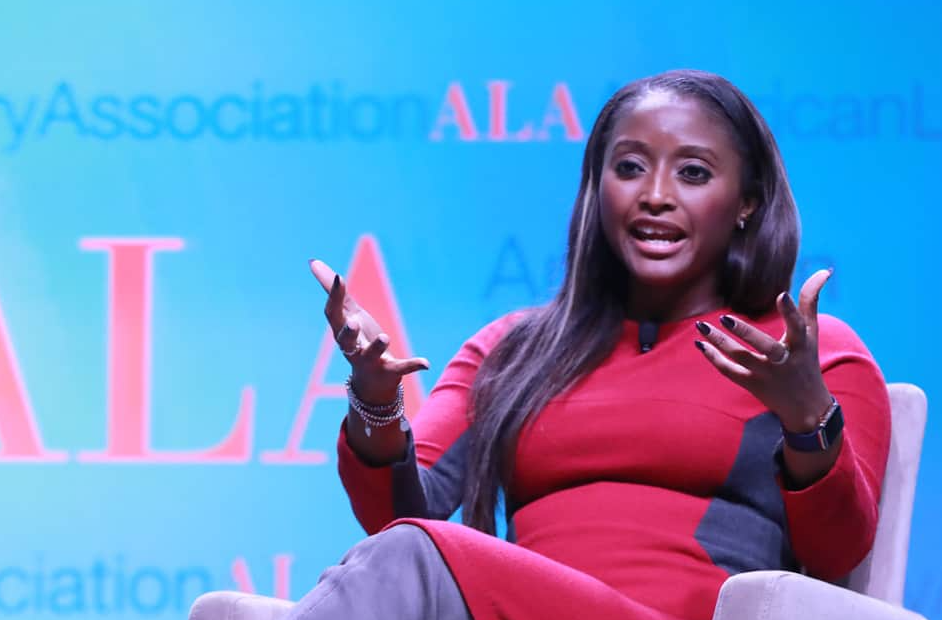
British journalist and CEO of Okay Media, Isha Sesay, has raised concerns about structural weaknesses within African media, arguing that concentrated ownership and limited investment are allowing Western narratives to dominate global coverage of the continent.
Speaking in an interview with ARISE NEWS, Sesay said too many African media outlets are controlled by oligarchs or wealthy individuals who use them to advance personal or political interests rather than promote transparency and public accountability. That ownership model, she warned, creates a vacuum in which external narratives go largely unchallenged.
“The only way that Western narrative is able to stand is because it doesn’t have a counter force,” Sesay said, stressing that media should serve as a vehicle for accountability, transparency and stronger governance — not private gain.
Drawing on her 13-and-a-half years at CNN, Sesay reflected on how African stories are often filtered through Western perspectives. While the continent is covered, she noted, reporting is frequently shaped or moderated by outside frameworks, leaving local voices marginalized.
As CEO of Okay Media, the parent company of OkayAfrica and Okayplayer, Sesay said her focus is on identifying and amplifying authentic African voices. That includes supporting podcasts, digital outlets and live events aimed at strengthening independent storytelling across the continent.
She also highlighted the dual role of social media. On one hand, it democratizes journalism by giving emerging reporters a platform to investigate corruption and hold governments accountable. On the other, the absence of institutional backing can make verification and credibility more difficult, increasing the risk of misinformation.
Sesay acknowledged that pan-African platforms often face accusations of propaganda when presenting African-centered narratives. Overcoming that skepticism, she argued, will require strategic investment in large-scale operations and robust newsroom infrastructure.
Ultimately, Sesay said, the future of African media hinges on credible journalism, sustained funding and the courage to challenge entrenched power structures. Authentic storytelling, she concluded, demands investment, commitment and a steadfast dedication to truth.