Dolores Francine “Bambi” Rhiney, a Jamaican-born model who rose to prominence in the 1950s, is being remembered as one of the first Black women to walk the elite high-fashion runways of Italy, helping to challenge racial barriers in the global modeling industry.
Born in Kingston, Jamaica, in 1929, Rhiney later moved with her family to Harlem, New York, where she was raised.
Her early life was shaped by her father’s work as a tailor and restaurateur, an environment that exposed her to fashion and craftsmanship from a young age.
Early entry into modeling
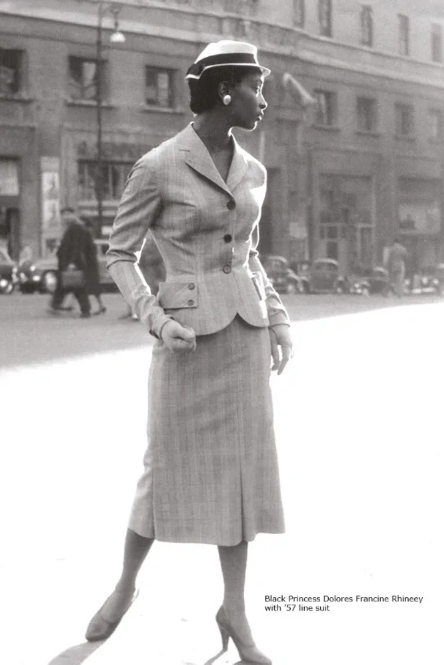
Rhiney attended Washington Irving High School in New York but left at age 16 to pursue modeling full time.
She signed with the Branford Model Agency, widely recognized as the first licensed modeling agency for Black talent in New York at a time when opportunities for non-white models were extremely limited.
Facing restricted prospects in the United States due to racial discrimination within the fashion industry, Rhiney made a bold decision in 1952 to relocate to Europe, joining a growing number of Black creatives seeking opportunities abroad.
Breakthrough in Europe
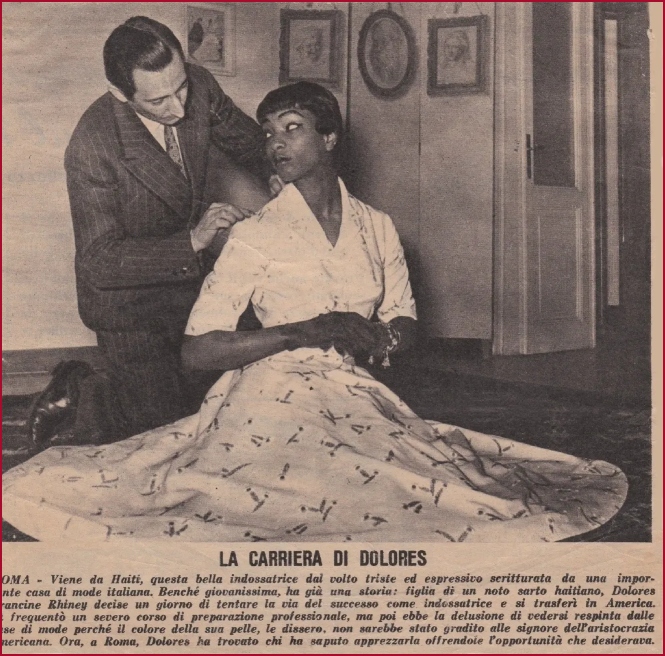
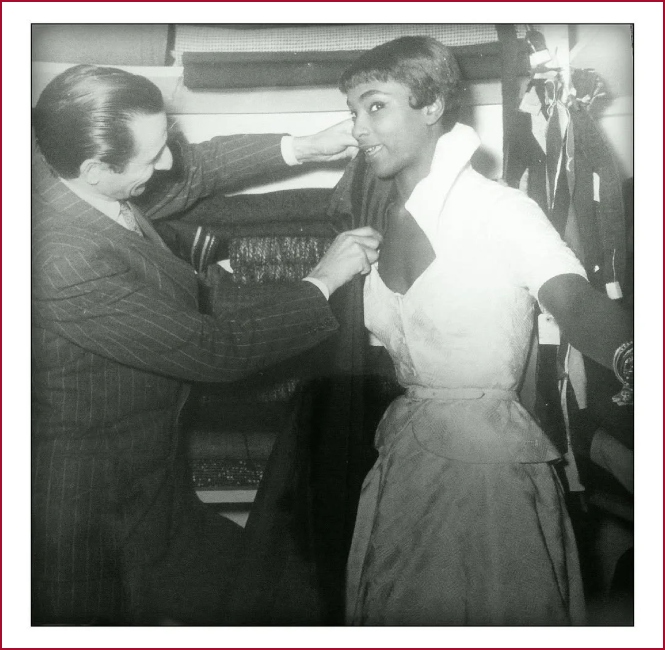
Her move proved transformative. After arriving in Paris, Rhiney eventually settled in Italy, where she was discovered in Rome by Vincenzo Ferdinati, a prominent fashion figure and mentor to legendary designer Valentino.
Ferdinati deliberately cast Rhiney to challenge prevailing racial norms within Italian high fashion.
In January 1953, Rhiney made her historic debut at the prestigious Sala Bianca runway inside Florence’s Palazzo Pitti — one of the most influential fashion stages in Europe at the time.
Her appearance was designed as a surprise to the fashion world and initially caused friction among some designers who had not been consulted. However, the move quickly elevated Rhiney’s status and established her as a sought-after figure during Italy’s glamorous “Dolce Vita” fashion era.
Part of a broader movement
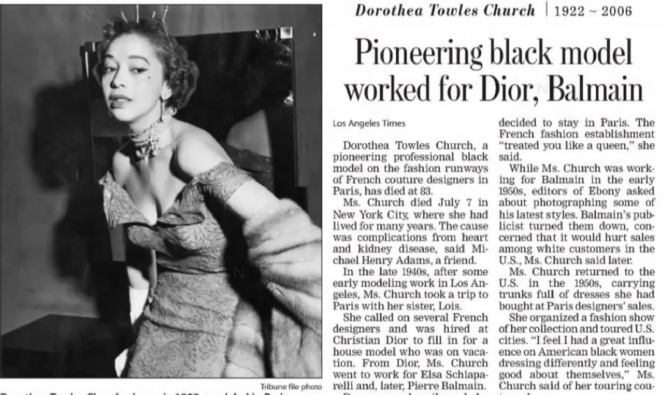
Rhiney’s rise came shortly after other pioneering Black models, including Dorothea Towles, who had broken barriers in Paris in 1949 while working with leading fashion houses such as Christian Dior and Elsa Schiaparelli.
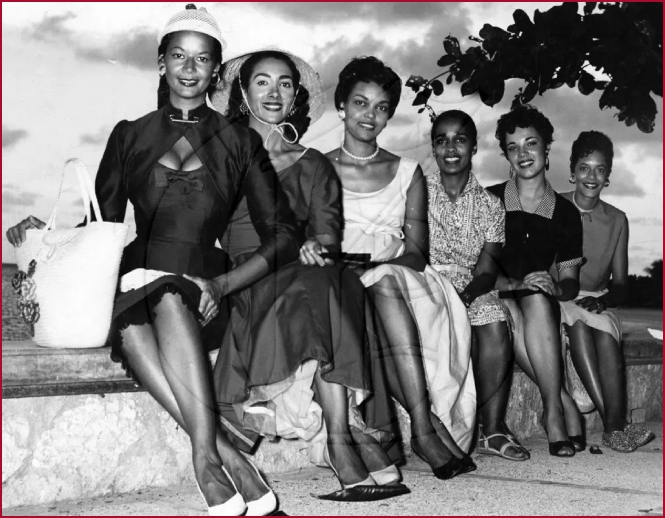
Together, these trailblazers helped pave the way for future generations of Black models, decades before the industry began to meaningfully address racial diversity.
Lasting legacy
Beyond her runway success, Rhiney’s story reflects a broader narrative of resilience, migration, and determination among early Black fashion pioneers who challenged exclusionary systems in the mid-20th century.
Today, her legacy is increasingly recognized as part of the foundation that enabled later global icons — from Beverly Johnson to Naomi Campbell and the Williams sisters’ cultural impact in sports — to thrive in more inclusive global industries.