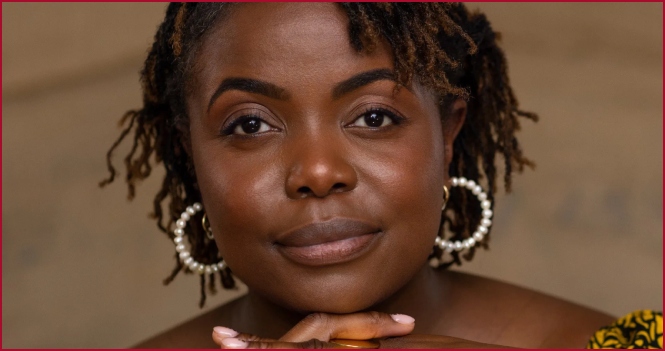
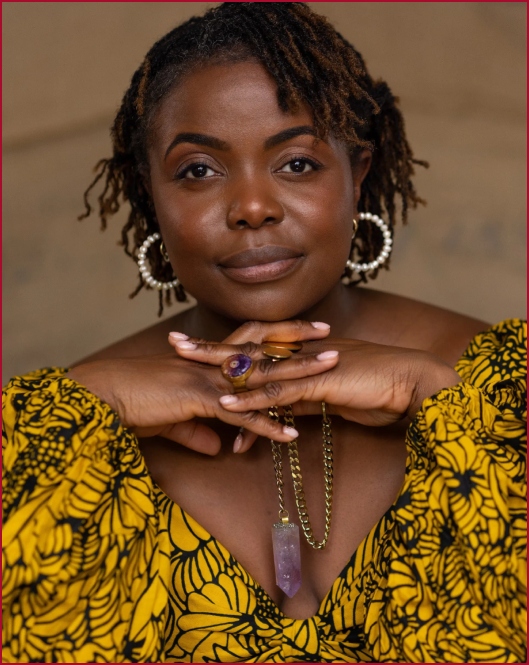
British writer, actor and podcast host Kelechi Okafor is calling for accountability from BAFTA and the BBC following a controversy surrounding an on-air racial slur during the BAFTA Film Awards broadcast.
In a widely circulated Instagram post and video, Okafor questioned what she described as inconsistencies in how the ceremony’s delayed broadcast was edited, particularly regarding offensive content.
Raising Questions About Editorial Decisions
Okafor’s central argument focused on what she sees as unequal treatment of sensitive material.
“What if the vocal tick had been ‘Free Palestine’? Explain that to me,” she said in the video, referencing a separate moment during the ceremony when a political statement by filmmaker Akinola Davis Jr. was reportedly removed from the delayed broadcast.
She argued that while some content was edited out, a racial slur shouted during the ceremony was initially left in the televised version.
Okafor described this as part of a broader issue involving how institutions determine what constitutes harm and whose experiences are prioritized.
“There was a lack of safeguarding from the organisers,” she said, adding that impact matters regardless of intent.
Context of the Incident
The controversy stems from repeated verbal outbursts during the ceremony by Tourette syndrome advocate John Davidson, whose life inspired the award-winning biographical film I Swear.
During one moment, Davidson was heard shouting a racial slur while actors Michael B. Jordan and Delroy Lindo were presenting an award on stage.
Event host Alan Cumming later explained to the audience that Tourette syndrome can cause involuntary vocal tics and stressed that such outbursts are not intentional.
BAFTA subsequently issued a formal apology acknowledging the harm caused while reiterating that the language resulted from a neurological condition.
Debate Over Impact vs. Intent
Okafor’s comments highlight an ongoing debate sparked by the incident — balancing awareness of disabilities with recognition of the emotional harm caused by offensive language.
She explained that while the outburst may have been involuntary, it still carried real social consequences.
“Racism… one of its mechanics is humiliation,” she said, arguing that public responses should not dismiss the experiences of those affected.
Wider Conversations About Media Responsibility
The situation continues to prompt broader discussion about institutional responsibility, editorial judgment, and the intersection of disability awareness with racial sensitivity in public events.
Okafor said her goal is not to deny the realities of Tourette syndrome but to push for transparency and more consistent standards in how broadcasters handle potentially harmful content.
Her remarks add to a growing chorus of voices calling for clearer safeguards and stronger accountability in high-profile televised events.