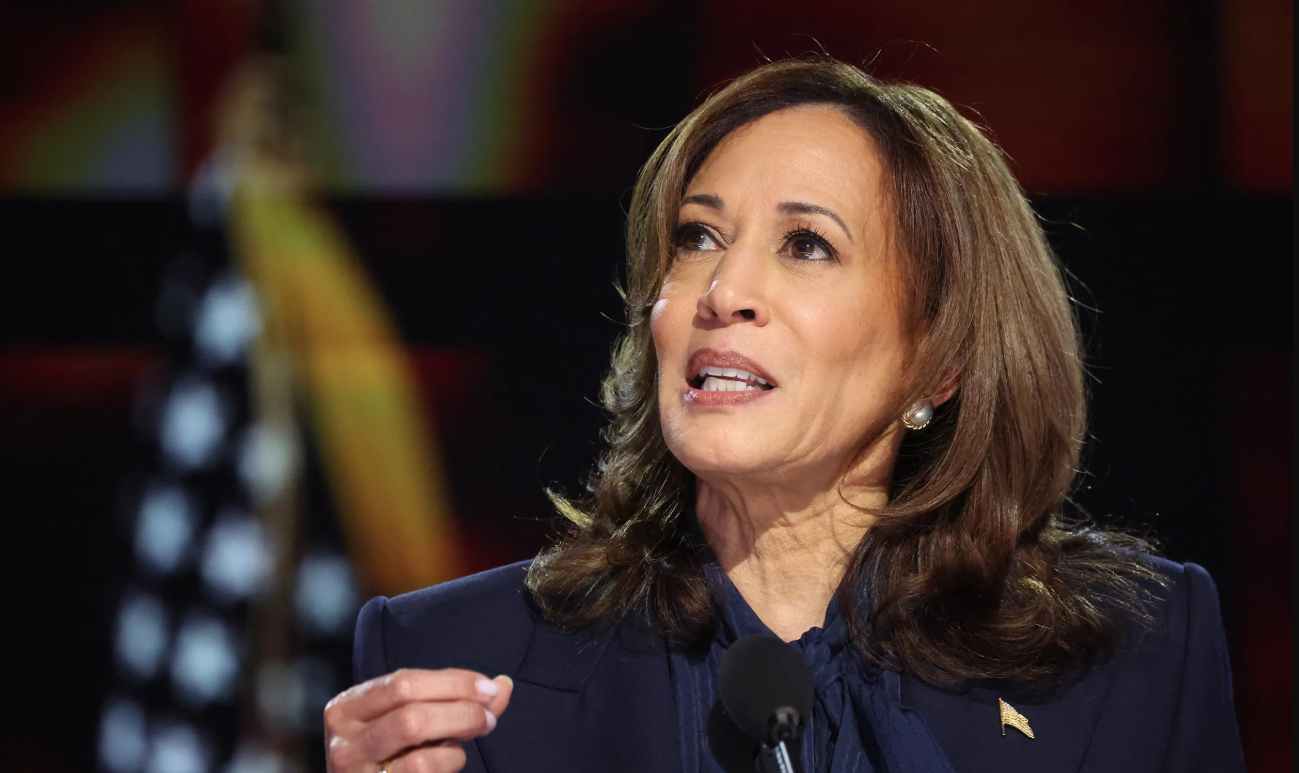
Kamala Harris is encouraging women and girls to embrace ambition and reject what she described as “dated” expectations about how women should behave.
In a recent Instagram post, Harris delivered a message aimed at empowering women to lead boldly and unapologetically.
“To every woman and girl who refuses to shrink herself to fit someone else’s expectations — keep going,” she wrote. “Dream with ambition, lead with conviction, and never apologize for either.”
Challenging traditional norms
In an accompanying video, Harris addressed criticism she has faced over perceptions about her demeanor, particularly suggestions that she is “not humble.”
“I don’t aspire to be humble,” she said, pushing back on what she described as outdated standards often imposed on women. “It’s a very dated perspective… to say women should be humble, women should be quiet.”
Harris argued that such expectations no longer reflect modern views of leadership and gender roles, pointing out that confidence and ambition should not be seen as negative traits in women.
Encouraging a new generation
The vice president also highlighted a cultural shift between generations, noting that younger women are increasingly rejecting the idea that ambition should be hidden or downplayed.
“One of the things that earlier generations of women were not intentional about… is to not be embarrassed about your ambition,” she said. “I want and applaud that you will be ambitious.”
Her remarks align with broader conversations around gender equality, workplace leadership, and evolving societal expectations of women in public life.
Broader message
Harris’ comments come as discussions about representation and leadership continue across political, corporate, and social spaces. Advocates for gender equity have long argued that traditional expectations — such as being quiet or deferential — have limited opportunities for women.
By encouraging women to “live and lead with conviction,” Harris framed ambition as a strength rather than a liability.
Her message has resonated on social media, where supporters praised the call for confidence and authenticity, while critics debated the role of humility in leadership.