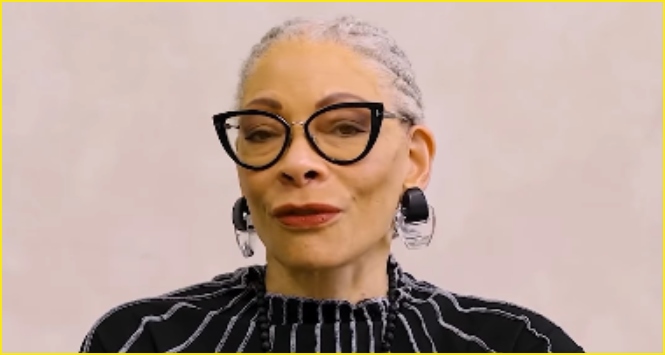
A viral social media post by experienced recruiter Ginny Clarke is educating public about the history of lunch breaks and the long struggle behind what many modern workers now consider a basic workplace norm.
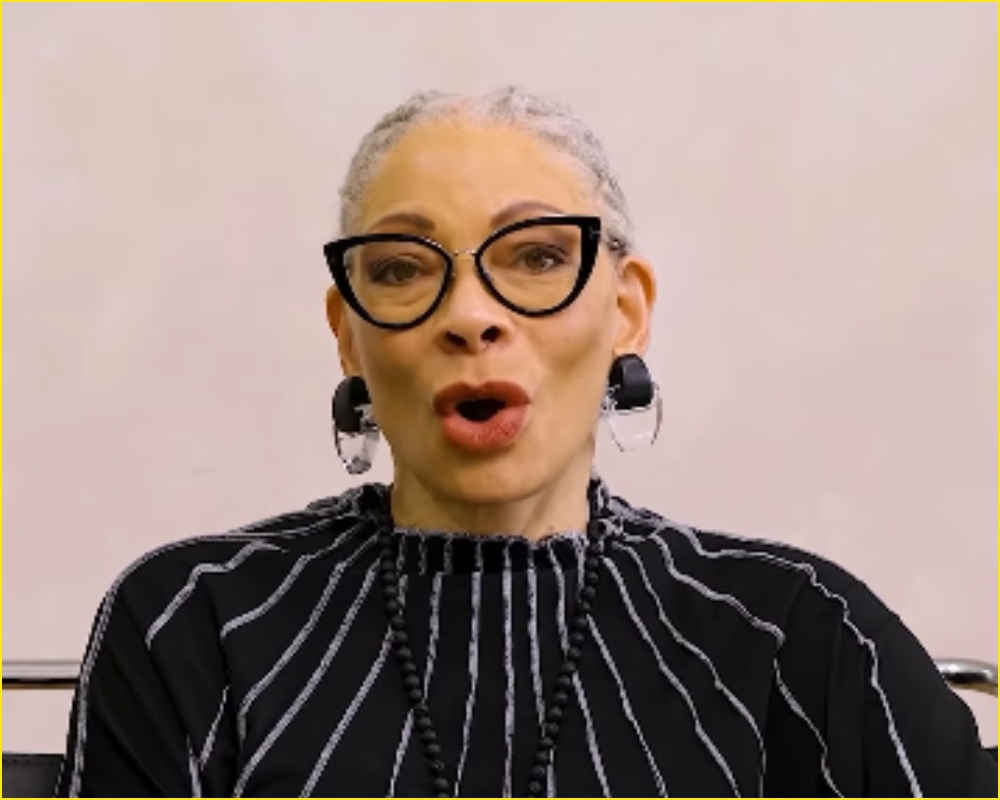
In an Instagram post accompanied by a short explainer video, Clarke, a former Google executive, urged workers to rethink the meaning of their lunch break, noting that the right to pause work to eat is a relatively recent achievement in labor history.
“Having any lunch break at all wasn’t given,” Clarke wrote. “It was fought for over decades.”
A Right Shaped by Labor Struggles
Clarke’s remarks highlight a lesser-known chapter of industrial and labour history. During much of the early industrial era, particularly in factories and manual labor settings, workers were often expected to eat while working or go without meals entirely. Formal breaks were rare, and long workdays with minimal rest were common until labor movements pushed for legal protections.
Designated lunch breaks, typically scheduled around the middle of the workday, emerged alongside broader reforms on working hours, workplace safety and employee welfare. In many countries, including the United States, labour laws eventually required employers to provide meal and rest periods to prevent exploitation and protect worker health.
Modern Work Culture and the Erosion of Breaks
Despite these gains, Clarke argued that workplace culture has quietly eroded the purpose of lunch breaks. Citing workplace surveys, she noted that an estimated 60 to 70 percent of American workers now eat lunch at their desks, often while answering emails or completing tasks. Many report taking less than 30 minutes, while others skip lunch altogether.
The normalization of “working through meals,” Clarke said, has created an environment where stepping away for a full lunch break can make employees feel guilty or appear less committed to their jobs.
“We’ve normalized working through meals to the point where taking a break feels like slacking,” she said in the video.
Renewed Attention on Labor Protections
The post has resonated widely online, prompting discussions about burnout, productivity, and the boundaries between work and personal well-being—issues that have intensified globally in the wake of remote work, job insecurity and rising living costs.
Labor advocates say the conversation underscores the importance of remembering why workplace protections exist and why they remain relevant. As Clarke put it, laws mandating meal breaks were introduced precisely because, without regulation, employers historically demanded more than workers could safely give.
Her message serves as a reminder that even small workplace rights, like a lunch break, are rooted in hard-won struggles—and can be quietly lost if taken for granted.