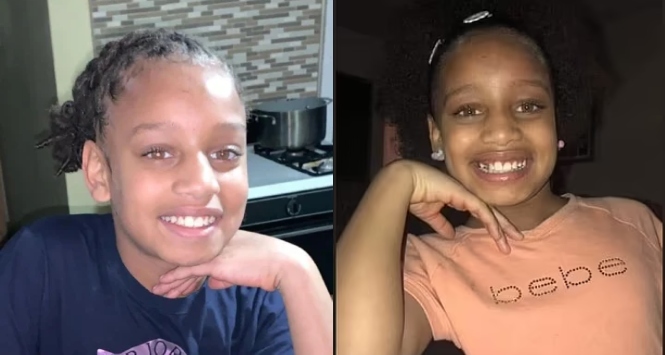
The tragic story of Breasia Terrell, a 10-year-old girl from Davenport, Iowa, continues to haunt her community years after her disappearance and murder.
What began as a desperate search for a missing child in the summer of 2020 ended in heartbreak with the discovery of her remains — and the revelation that the person responsible was someone close to her family.
A Disappearance That Shook Davenport
On the night of July 9, 2020, Breasia had been staying with her half-brother and his father at his father’s girlfriend’s apartment. By the next morning, July 10, Breasia was gone. Her disappearance triggered an intense search effort across Iowa and beyond, with local police, volunteers, and the FBI all joining in the hunt to bring her home.
The case gained widespread attention as Breasia’s family pleaded for her safe return. But months passed with no answers, leaving the community on edge.
A Devastating Discovery
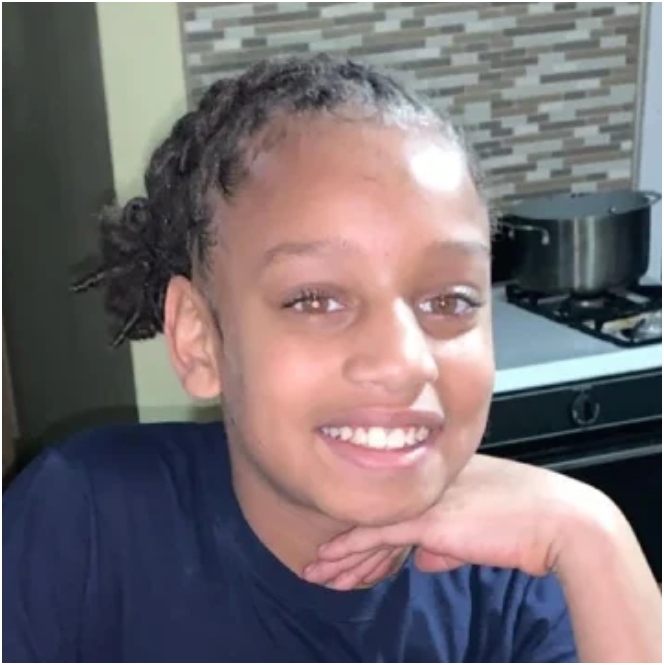
In March 2021, authorities made the devastating announcement that Breasia’s remains had been found in a rural area of eastern Iowa. The confirmation ended months of uncertainty, plunging her family and supporters into mourning.
The tragedy deepened when investigators revealed that the man responsible was someone Breasia’s family knew and trusted. This betrayal compounded the grief, highlighting the dangers children can face even in seemingly safe environments.
A Story That Must Be Told
Breasia’s case has since been highlighted on many platforms dedicated to telling the stories of missing and murdered Black women and girls, including the Black Girl Gone Podcast. The episode on Black Girl Gone revisited the details of Breasia’s disappearance, the painful months of searching, and the heartbreaking conclusion.
For many, her story underscores the urgent need for stronger protections for vulnerable children and more attention to cases involving missing Black girls, which are often underreported in national media.
Though Breasia’s life was tragically cut short, her memory continues to inspire calls for justice, awareness, and systemic change.