
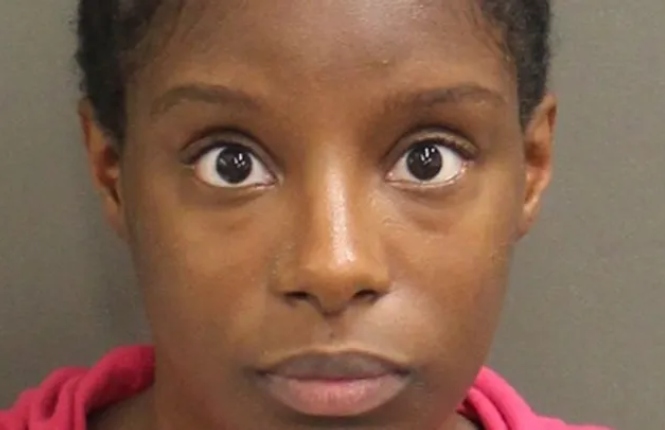
Outrage is growing online after Imarah Aaliyah Bryan, a 26-year-old Florida woman with reported cognitive delays, was arrested again—this time for allegedly drinking a $1 sparkling water inside a Dollar General store before paying for it.
According to reports, Bryan is being held on a $1,000 bond and has been permanently banned from the Dollar General where the incident occurred. Advocates say the arrest raises troubling questions about how the justice system continues to criminalize people with special needs instead of offering care, treatment, or diversion programs.
A Pattern of Criminalization
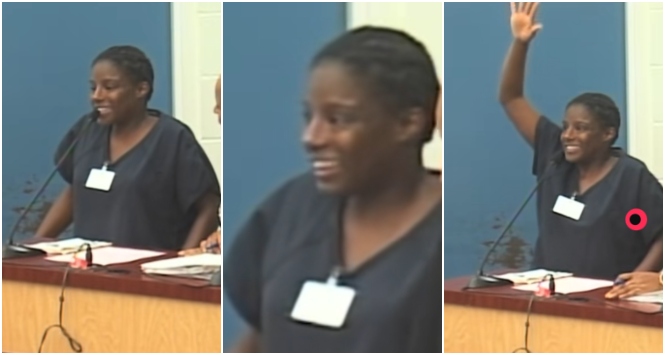
Bryan first went viral not long ago after spending nearly two months in jail over a petty theft case at Target. At the time, she was accused of stealing $140 worth of merchandise and later accepted a no-contest plea that freed her but left her with nearly $1,000 in financial obligations—including fines to the Orlando Police Department and a $500 bond.
Social media users widely condemned the outcome, arguing that Bryan, who displayed signs of cognitive delay during her court appearance, should have received support rather than incarceration.
“We are her caretakers—why isn’t the system protecting her?” one user wrote following the latest arrest.
Renewed Outrage and Calls for Reform
Bryan’s most recent arrest has reignited debate about how U.S. courts and law enforcement handle defendants with disabilities. Critics say that forcing her to post bond for a minor, non-violent offense demonstrates systemic neglect of vulnerable individuals.
Disability rights advocates note that Bryan’s repeated encounters with the criminal system highlight the lack of disability-informed interventions, such as community diversion programs or supervised care options. Many are now urging Florida officials to review her case and establish safeguards for others in similar circumstances.
A Deeper Problem in Plain Sight
Legal analysts point out that Bryan’s story reflects a wider issue at the intersection of disability, poverty, and criminal justice—where individuals with developmental or cognitive challenges often face harsher outcomes for minor infractions.
As one advocate stated online, “She doesn’t need a jail cell—she needs support.”
For now, Bryan remains in custody as her case works its way through the local court system.