The family of Henrietta Lacks — the Black woman whose cells transformed modern medicine without her consent — has reached a second legal settlement with a major pharmaceutical company, marking another milestone in a decades-long fight for justice and recognition.
In a joint statement, Switzerland-based drugmaker Novartis confirmed it had resolved a lawsuit filed by Lacks’ estate over claims the company profited from her “immortal” HeLa cells. The terms of the agreement remain confidential.
The settlement follows a similar deal nearly three years ago between the family and Thermo Fisher Scientific, another biotech company accused of commercializing the cells without compensating her descendants.

A Medical Breakthrough Rooted in Injustice
Lacks, a 31-year-old mother from Baltimore, sought treatment at Johns Hopkins Hospital in 1951 after experiencing severe abdominal pain and abnormal bleeding. Doctors discovered aggressive cervical cancer and, without her knowledge or consent, removed samples of her tumor for research.
Unlike other cell cultures at the time, Lacks’ cells did not die in laboratories. Instead, they multiplied indefinitely, becoming the world’s first “immortal” human cell line — known as HeLa cells.
According to the World Health Organization, HeLa cells have played a critical role in groundbreaking scientific advances, including the development of the polio vaccine and major research into cancer, HIV, and infertility.
Yet Lacks herself died just months after her diagnosis and was buried in an unmarked grave, while her family remained unaware for years that her cells were being used globally.
A Long Fight for Recognition
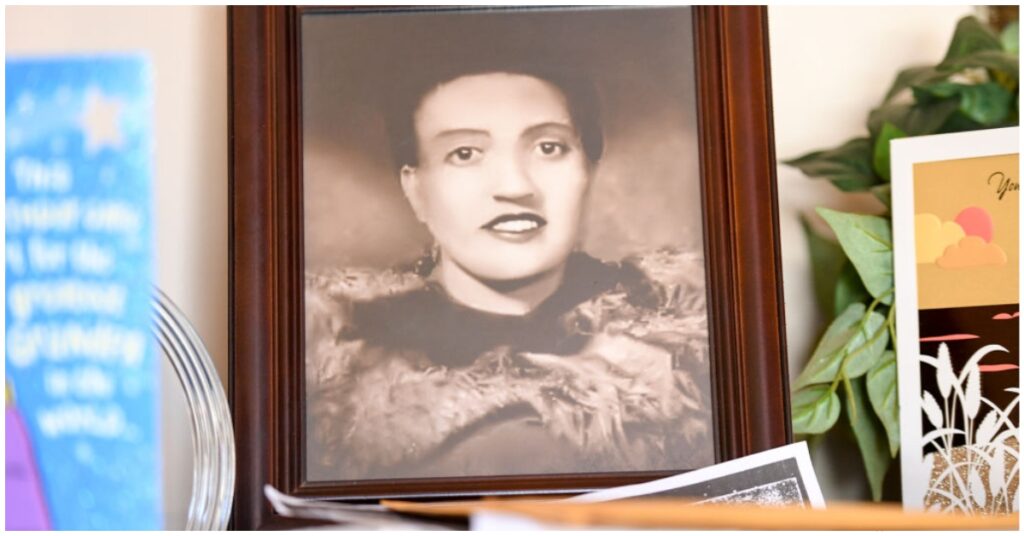
More than 70 years later, her descendants have continued pursuing accountability from companies that benefited from HeLa cells without consent or compensation.
Civil rights attorney Ben Crump said the latest agreement represents a meaningful step toward justice.
“For the family and her grandchildren, this is certainly justice,” Crump told The New York Times. “People said they would never realize any benefit or compensation from her immortal HeLa cells, even though these pharmaceutical companies were profiting billions.”
He added that the settlement helps restore “respect and dignity” to Lacks’ legacy.
Why Her Story Still Matters
For many Black women, Henrietta Lacks’ story remains a powerful symbol of medical ethics, racial inequities in healthcare, and the importance of informed consent.
Today, her legacy is increasingly recognized in medical education, bioethics discussions, and cultural history — a reminder that groundbreaking innovation must never come at the expense of human dignity.
Her story also continues to inspire ongoing conversations about equity in medicine and the need to center the voices and rights of Black patients.