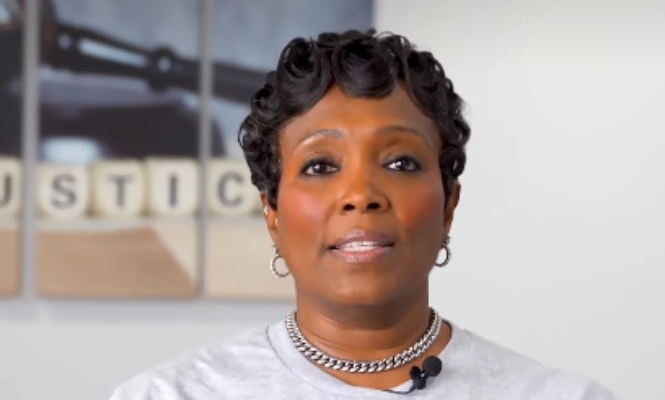
Attorney Stephanie Lindsey is urging families to have urgent conversations with aging parents about estate planning, warning that failure to plan ahead could result in losing family homes to government recovery programs.
“Y’all need to have this conversation with your parents ASAP,” Lindsey said in a video posted to social media, highlighting what she described as a commonly misunderstood issue: Medicaid asset recovery.
According to Lindsey, families should be particularly concerned when an aging parent owns a fully paid-off home and later requires long-term care.
“If they go into a long-term care facility and Medicaid is paying any portion of that… they are susceptible to having their property taken,” she said.

Lindsey explained that many people mistakenly believe they can quickly transfer property to avoid such outcomes. “You cannot today say, ‘We’re going to take the property out of your name’… because there is a look-back period,” she said.
Under Medicaid rules, the government can review financial activity going back five years to determine eligibility and recover costs. This means last-minute transfers of property often do not protect assets as intended.
“Estate planning is just that—planning,” Lindsey emphasized. “It doesn’t help you to transfer something now” if care is needed in the immediate future.
She advised families to begin planning early, especially if a parent shows signs of conditions such as dementia or Alzheimer’s disease.
“If you know you have a parent that’s in early stages… you need to start planning,” she said.
Lindsey stressed that for many families, a home represents their primary asset and a key part of generational wealth.
“The one asset that we have is our home… it is important that you look at preserving that property,” she said.
Framing the issue as both financial and emotional, she added:
“We all want to leave a legacy for our children… and I’m sure your parent wants to leave that legacy to you and doesn’t want the government to come and take it.”
Her remarks have sparked conversations online about estate planning, elder care, and the importance of understanding how public assistance programs can impact family wealth.