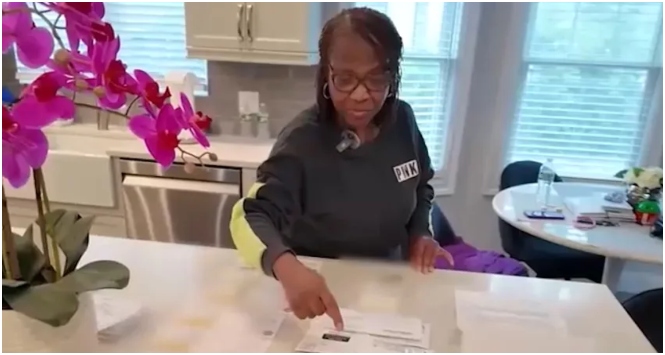
A 73-year-old woman from Valley Stream, New York, says she is living in constant stress after being repeatedly issued traffic and toll violations tied to license plates she reported stolen more than two years ago.
Teresa Pollard says the ongoing issue has disrupted her daily life, leaving her frustrated and fearful of potential legal consequences despite her efforts to resolve the matter.
Pollard reported the theft to police at the time and was issued replacement plates, along with official documentation confirming the incident.
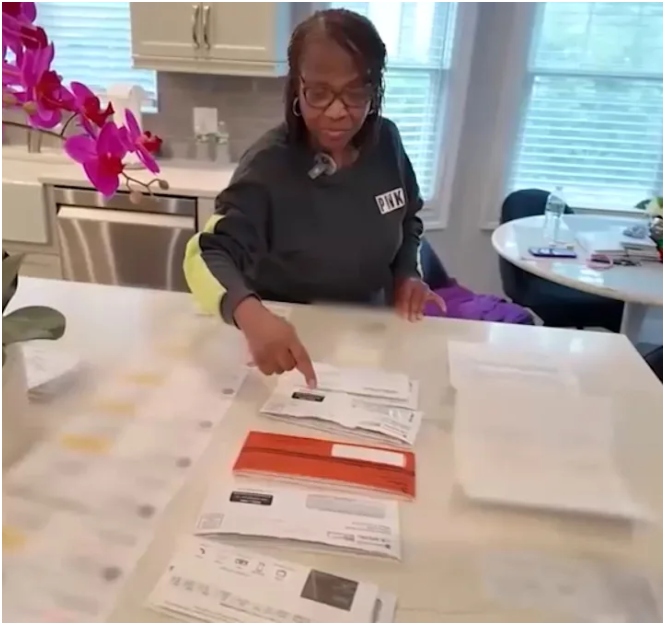
However, shortly afterward, she began receiving a steady stream of violations, including red-light camera tickets and toll charges, linked to the stolen plate number.
Many of the infractions reportedly stem from repeated violations at a busy intersection, raising concerns that the plate may be actively in use by another vehicle.
“It has really been a thorn in my side; I can’t even sleep at night,” Pollard said, describing the emotional toll the situation has taken.
The violations, which arrive as frequently as every other month, have in some cases escalated to collections, compounding her anxiety.
Despite contacting multiple agencies, including local police, elected officials, county offices, and the New York State Department of Motor Vehicles, Pollard says she has struggled to find a permanent solution.
While the DMV maintains that its records are updated in real time when plates are reported stolen, it noted that enforcement and billing agencies must ensure they are using the most current data before issuing penalties.
Pollard says resolving each ticket individually is time-consuming and exhausting, often requiring an entire day to contest charges she insists are not hers.
Although some violations have been dismissed after she presents proof, the repetitive process has become overwhelming.
“It’s happening over and over and everywhere I turn, I can’t get any help,” she said.
Beyond the inconvenience, Pollard fears more serious consequences. She worries her driver’s license could be revoked or that she could be held liable if the person using the stolen plates is involved in a serious accident.
The uncertainty has even limited her ability to travel, as she fears missing critical notices while away.
Local authorities, including the Nassau County Traffic and Parking Violations Agency, have been contacted regarding the case, but Pollard says she is still waiting for a comprehensive resolution.
Her situation highlights broader concerns about administrative gaps in handling stolen license plates and the burden placed on victims to repeatedly prove their innocence.