A social media creator has stirred the longstanding national debate about reparations for Black Americans, arguing that the United States has a history of compensating other groups while failing to address the economic legacy of slavery and systemic discrimination.
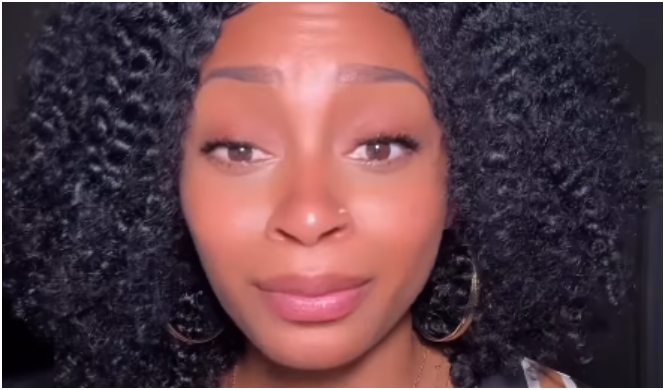
In a video shared on Instagram, entrepreneur, content creator, and growth coach @modestly.fly_ delivered a passionate message about race, economics, and opportunity in America.
“America has always paid reparations, just not the Black folks,” the creator said, framing the issue as one of historical accountability and economic equity.

The comments come amid ongoing national discussions about reparations proposals, wealth disparities, and the enduring effects of slavery, segregation, and discriminatory policies on Black communities.
According to the creator, resistance to reparations is rooted in fears about what Black Americans could accomplish if longstanding economic barriers were removed.
“The thought alone terrifies them because they know, they know if Black folks were ever put on an equal playing field economically, we would dominate,” the creator said.
The video highlighted the contributions Black Americans have made despite generations of obstacles, pointing to achievements across education, sports, entertainment, scholarship, and culture.
“We built this country for free for over two centuries,” the creator continued. “We survived every system that was designed to destroy us, and we still produced some of the greatest scholars, historians, musicians, athletes, entertainers.”
The remarks culminated in a reflection on untapped potential and economic opportunity.
“Now imagine what we would do with both hands free,” the creator said.
The statement resonated with many viewers who view reparations as a mechanism for addressing historical injustices and narrowing the racial wealth gap. Others continue to debate the practicality, scope, and implementation of reparations policies.
While reparations remain a politically divisive issue, the conversation has gained renewed visibility in recent years as lawmakers, activists, economists, and community leaders examine ways to address persistent racial disparities in wealth, housing, education, and business ownership.
The creator’s comments underscore a broader argument advanced by reparations advocates, especially under the controversial Donald Trump administration: that the achievements of Black Americans despite systemic barriers demonstrate the potential impact of expanded economic access and investment.
As discussions over racial equity continue nationwide, voices on social media are increasingly shaping public conversations about history, opportunity, and what economic justice might look like in the 21st century.