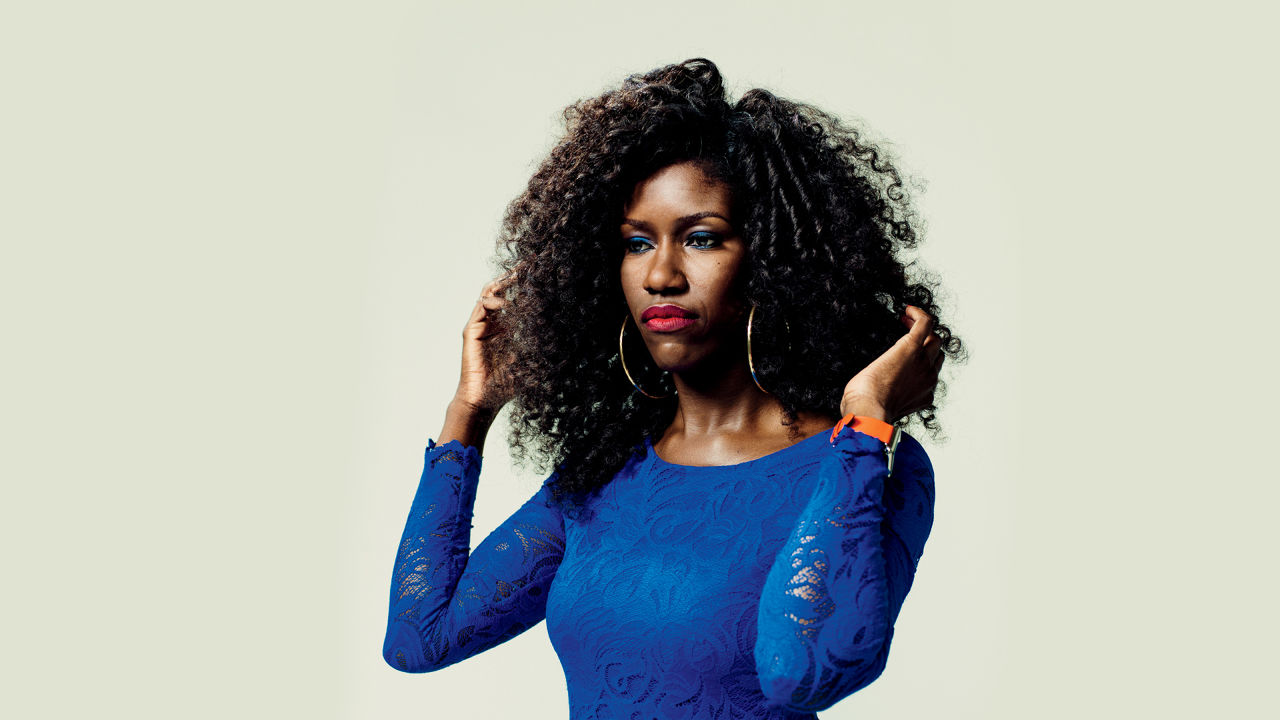
Marketing executive and reality TV personality Bozoma Saint John recently opened up about beauty, identity, and cultural perception shortly after landing in the United States.
The clip, posted by the Naked Beauty Podcast, features Saint John discussing her upbringing between Ghana and the United States and the stark contrast in how beauty—and Africa—were perceived.
“Coming from Ghana, I knew Africa differently… I was so shocked people considered that we were worth one penny a day,” she said, recalling her early teenage years after moving to the U.S.
Clash of Perspectives
Saint John described experiencing pity and misunderstanding from peers and authority figures, which led to a moment of emotional reckoning as a teenager.
She recounted standing in front of a mirror at around age 13 or 14, grappling with how others viewed her identity and appearance.
“I know I’m beautiful. I don’t know why they don’t know that,” she said, emphasizing that her confidence was never rooted in external validation.
Her comments highlight the psychological impact of cultural narratives and stereotypes, particularly those surrounding Africa and Black identity in Western contexts.
Challenging Narratives Around Black Beauty
Now a cast member on The Real Housewives of Beverly Hills, Saint John also addressed what she described as a subtle bias embedded in praise often directed at Black women.
She questioned why confidence and self-assurance in one’s beauty—especially as a dark-skinned African woman—are sometimes framed as exceptional.
“Why should I be affirmed for that? Because I know that already,” she said.
Saint John pushed back against the notion that embracing Black beauty requires overcoming adversity, calling instead for a redefinition of the narrative.
“No, I didn’t [overcome]. I was born this way and I was born beautiful. Gorgeous, in fact.”
Broader Cultural Impact
The viral moment has resonated widely, particularly among audiences engaged in conversations about representation, colorism, and global perceptions of Africa.
By sharing her experience, Saint John joins a growing number of public figures using their platforms to challenge long-standing stereotypes and promote more nuanced, affirming narratives about identity and beauty.
Her message underscores a broader cultural shift—one that seeks to normalize confidence and self-worth rather than frame them as exceptions.