During the early 1980s, long before she became one of the most celebrated voices in R&B history, Anita Baker was working the night shift at a steel foundry in Detroit — operating heavy machinery, earning union wages, and prioritizing stability over a music dream that seemed to be slipping away.
At the time, the future eight-time Grammy winner had already faced repeated rejection. More than a dozen record labels had turned her down, dismissing her style as too jazzy for R&B and too R&B for jazz.
With Detroit grappling with economic decline, steady factory work offered security that singing simply could not.
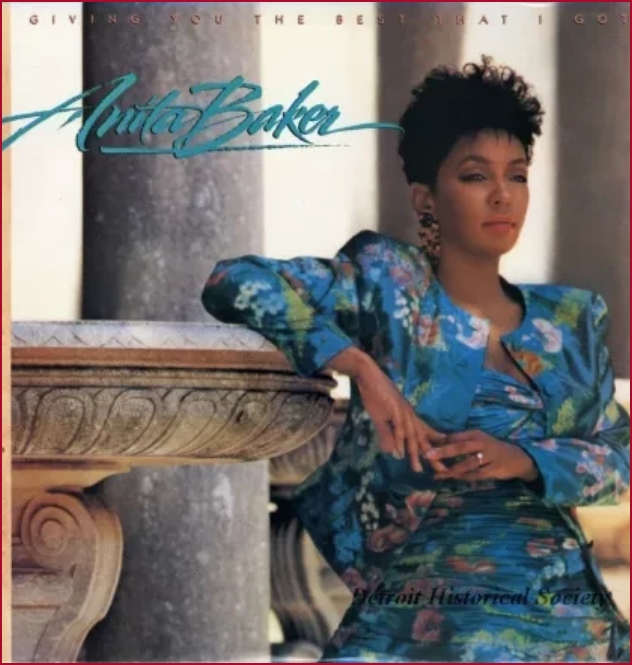
The Night That Changed Everything
According to accounts of her early life, Baker had just accepted a supervisory position at the foundry — a role that promised overtime pay, benefits, and long-term stability.
But one night around 3 a.m., her path shifted dramatically.
As she sang softly to herself to stay awake during her shift, a talent scout who had stopped at the industrial site after getting lost reportedly heard her voice echoing through the cavernous facility.
The moment led to an opportunity Baker ultimately decided to pursue — leaving behind the certainty of factory work for one final chance at recording.
That leap would eventually lead to her breakthrough album, Rapture, which transformed her into a global star and earned multiple Grammy Awards.
Early Life and Musical Roots
Baker was born on January 23, 1958, in Toledo, Ohio, and raised in Detroit after being adopted by relatives. Her musical journey began in church, where singing in the gospel choir helped shape the soulful delivery that would later define her career.
She drew inspiration from legendary jazz vocalists such as Ella Fitzgerald and Sarah Vaughan.
In 1975, she joined the Detroit funk band Chapter 8, but after the group’s label changed ownership, she was dropped — a setback that temporarily pushed her out of the music industry.
Breakthrough and Lasting Impact
Baker returned to recording in the early 1980s and soon secured a major deal. Her album Rapture and its hit single “Sweet Love” won her first Grammys, launching a career marked by emotional depth, a three-octave range, and signature sophistication.
Over the decades, she released multiple platinum-selling albums, won eight Grammy Awards, and helped define the Urban Adult Contemporary sound. Her accolades also include a star on the Hollywood Walk of Fame and numerous industry honors.
A Legacy Beyond Music
Today, Baker’s story resonates as a powerful reminder of perseverance — and of how talent can emerge from the most unexpected places.
From singing alone on factory floors to becoming one of R&B’s most revered voices, her journey remains an enduring chapter of Black history and cultural achievement.