
Buku Abi, the daughter of imprisoned R&B singer R. Kelly, has spoken publicly to address what she says is a long-standing misunderstanding about her feelings toward her father, years after accusing him of sexually abusing her as a child.
In a recent interview with Reginae Carter on Heir Time, Abi said public perception has often reduced her experience into a simple narrative of hatred, when her reality is far more complex. While she has consistently maintained that accountability is necessary, she stressed that this does not cancel out familial love.
“I love my father,” Abi said, explaining that acknowledging harm and seeking accountability can exist alongside love.
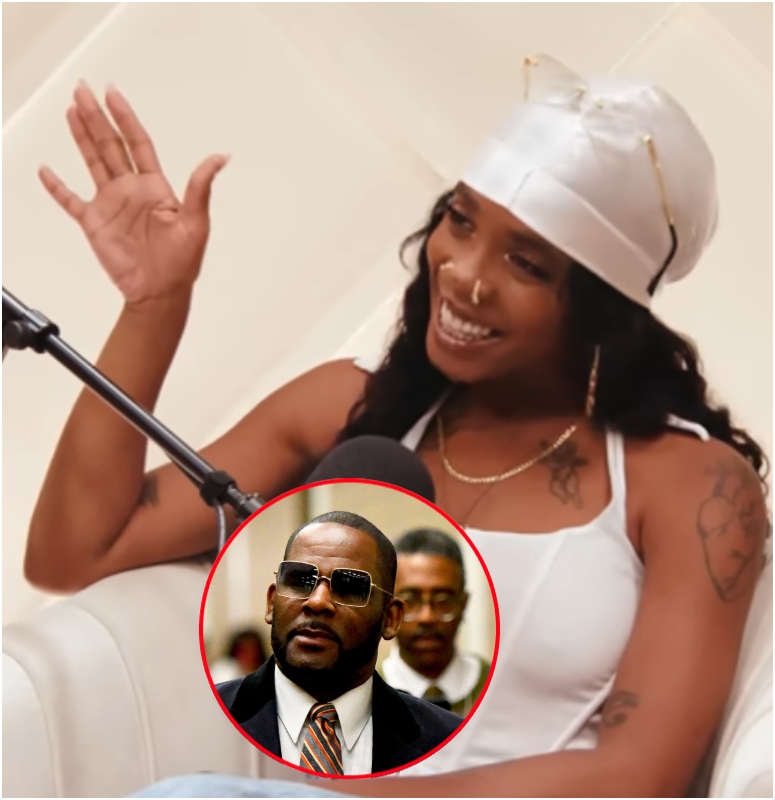
She noted that her position has frequently been misinterpreted as forgiveness or denial, which she firmly rejected.
Abi first publicly accused R. Kelly of sexual abuse several years ago, describing the emotional struggle of reconciling the allegations with her childhood bond with him. In earlier statements, she said he had been central to her life and that it took time to even accept what she said had happened.
“He was my everything. For a long time, I didn’t even want to believe that it happened,” she previously stated. “I didn’t know that even if he was a bad person that he would do something to me.”
In the latest interview, Abi stated that her past comments were rooted in truth and personal healing, not animosity. She argued that survivors are often expected to express trauma in rigid, socially acceptable ways, leaving little room for emotional nuance.
According to Abi, public conversations about abuse within families often overlook the reality that victims can experience love, grief, anger, and accountability simultaneously. She said her goal in speaking out is not to reshape her father’s public image, but to reclaim her own narrative.
R. Kelly is currently serving a lengthy prison sentence following convictions on multiple federal charges related to sexual exploitation and abuse. Abi has not commented on his legal cases beyond affirming her belief in accountability and justice.
Her remarks have sparked renewed discussion online about how society understands survivor experiences, particularly when abuse occurs within families and involves public figures.