Posting non-consensual intimate images or videos online is now a federal crime, thanks to a new law known as the “Take It Down Act.”
This legislation goes a step further by also criminalizing the distribution of AI-generated explicit content — often referred to as deepfake porn — without the subject’s consent.
Georgia attorney Stephanie R. Lindsey recently highlighted the law in a video shared on Instagram, explaining its wide-reaching impact.
“We got a new law now… that makes it a federal offense for there to be non-consensual intimate photos or videos posted online,” Lindsey said. “And that would include AI-generated videos or images.”
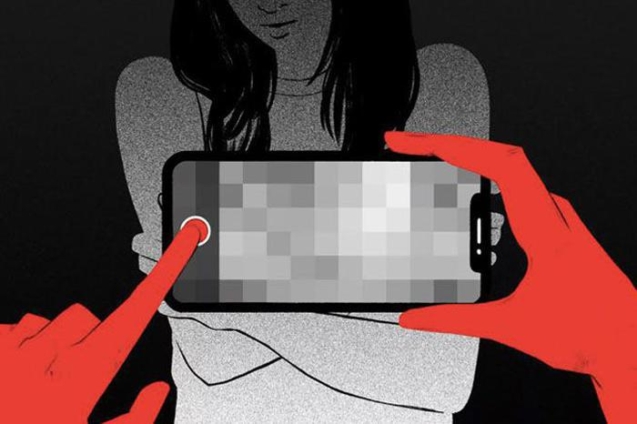
Under the Take It Down Act, victims of what is commonly called revenge porn have the right to request removal of the offending content from social media platforms. Once notified, platforms must remove the content within 48 hours, or face legal consequences.
The law, which expands federal protection for victims of digital harassment, was created in response to growing concerns about the weaponization of AI and digital platforms in cases of abuse, particularly those targeting women and minors.
Legal experts say this legislation reflects a major shift in how the federal government is addressing privacy violations, online abuse, and the misuse of artificial intelligence.
Revenge porn, often defined as the malicious sharing of sexually explicit media without consent, has long been prosecuted under a patchwork of state laws.
The Take It Down Act provides the first unified federal response, aiming to both penalize perpetrators and give victims faster, more effective tools for recovery.