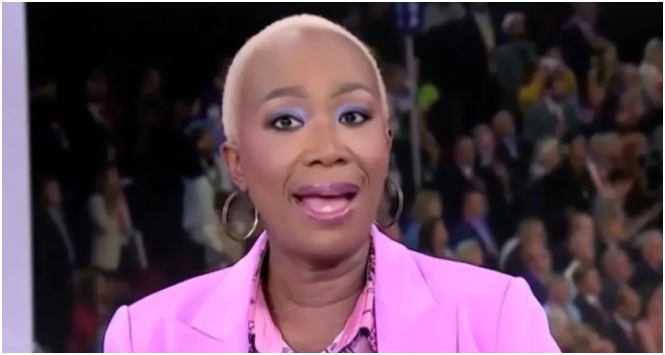
A disturbing controversy has erupted online after former MSNBC host Joy Reid exposed what she described as “state-sponsored misinformation”.
Her comments follow a Department of Homeland Security (DHS) video allegedly using an AI-altered clip of a young Black man to suggest he was threatening federal immigration agents.
The video has now been deleted.

A Manufactured Threat
According to Reid’s viral analysis posted on X and TikTok, the official DHS X (formerly Twitter) account shared a video that purported to show a group of young Black men claiming there was a “$50,000 bounty” on ICE agents’ heads, an apparent threat of violence.
However, internet users quickly pointed out glaring inconsistencies. One student discovered that the original version of the clip was uploaded months earlier to TikTok and had nothing to do with ICE or immigration enforcement. Instead, the student in the video had been expressing pro-American sentiments related to U.S. foreign policy toward Iran.
Even more damning: the DHS-posted version featured different background music and captions, both of which had been digitally altered.
“They even changed the soundtrack — that’s how you know it was re-edited,” Reid explained in the clip. “The caption was completely different. This wasn’t just a misunderstanding; it was deliberate.”
Something I Didn’t Do
The young man at the center of the controversy, whose name has not been released for safety reasons, said he was “shocked” to see his likeness used in what he called a government-manipulated smear. In his own follow-up TikTok, he said:
“I posted that months ago, and the caption they used wasn’t mine. I didn’t do that. I still have the original saved on my drafts. The federal government is involved in something I didn’t even do.”
He expressed disbelief that his innocent post could be weaponized by a government agency, adding that it had made him fear for his safety and reputation.
The Department of Homeland Security has not publicly addressed the accusations or explained how the manipulated video made its way onto an official account.
A Dangerous Precedent
If confirmed, this would represent one of the most alarming examples of deepfake misuse by a government entity, with potential implications for civil rights and digital ethics. The situation underscores a rapidly escalating problem: the use of AI-generated or altered media to criminalize or stigmatize marginalized communities.
Civil rights advocates have been quick to draw parallels between this case and the long history of state surveillance and disinformation targeting Black activists — from COINTELPRO in the 1960s to modern algorithmic profiling.
For many Black activists, Minister Louis Farrakhan’s decades-old warning about “a war against Black youth” has resurfaced in public discussions surrounding the case.
As one X user wrote, “Farrakhan told us years ago that they would find new tools to control and demonize Black youth — and now it’s AI.”
Digital Policing in the Age of AI
The controversy also raises legal and ethical questions about government accountability in the digital era. Can federal agencies legally post edited media that misrepresents citizens? What happens when those edits incite public panic or threaten to criminalize innocent people?
Experts in digital law warn that deepfake technology is outpacing regulation.
Meanwhile, tech watchdogs and civil liberties groups are urging platforms like TikTok and X to strengthen content verification and watermarking tools to prevent similar abuses.
As Joy Reid put it bluntly:
“When the government starts editing videos to paint young Black men as criminals — we all need to pay attention.”