
Former Vice President Kamala Harris is crediting grassroots action and public backlash for ABC’s decision to reinstate late-night host Jimmy Kimmel after his suspension, saying the moment underscores the influence of ordinary people when they act collectively.
Speaking exclusively on MSNBC’s The Rachel Maddow Show on Tuesday, Sept. 23, Harris said:
“We saw the power of the people over the last few days, and it spoke volumes, and it moved a decision in the right direction.”
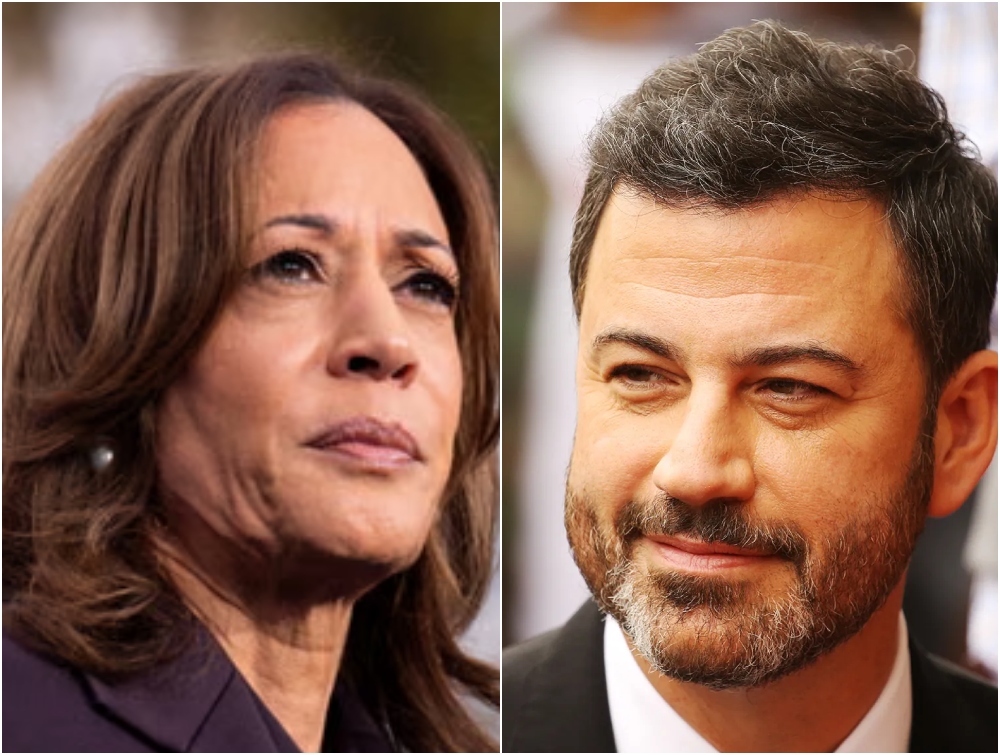
Harris framed the reversal not only as a media controversy but as part of a broader struggle against efforts to silence dissent. She pointed to the role of civil resistance in pushing back against what she described as the erosion of democratic guardrails under President Donald Trump and the long-term conservative strategy behind initiatives such as Project 2025.
“This is bigger than Donald Trump,” Harris noted, explaining that decades of organizing by conservative institutions have shaped the current political landscape.
She argued that citizens must remain vigilant and active, both in pushing back against authoritarian impulses and in challenging institutions that fail to act as checks on concentrated power.
During the interview, Maddow referenced Harris’s lifelong roots in activism, recalling that her parents took her to civil rights protests as a child. Harris agreed that the lessons of the movement remain central to her political worldview, stressing that collective pressure—including economic pressure—can influence outcomes, whether in politics or in media.
ABC faced intense criticism following Kimmel’s suspension, with fans, free speech advocates, and several entertainers mobilizing online to demand his return. Harris said the public’s swift response is an example of how civic engagement—whether through protests, organizing, or consumer action—continues to shape institutions in real time.
Beyond the Kimmel matter, Harris warned that the nation faces ongoing threats tied to systemic issues such as gerrymandering, deregulation, and attempts to weaken democratic norms. She argued that defending democracy requires not just resisting Trump-era policies but also confronting the infrastructure behind them.
“This did not just happen overnight,” she said. “We have to pay attention to an agenda that is not going to necessarily go away when this guy is finally termed out of office.”
Harris ended the segment by expressing support for Democratic efforts to counter Republican-led redistricting, saying that in some cases, “you’ve got to fight fire with fire.”


