Across the globe, women are increasingly choosing to delay motherhood—a demographic shift long associated with Europe and the United States but now becoming more visible across parts of Africa.
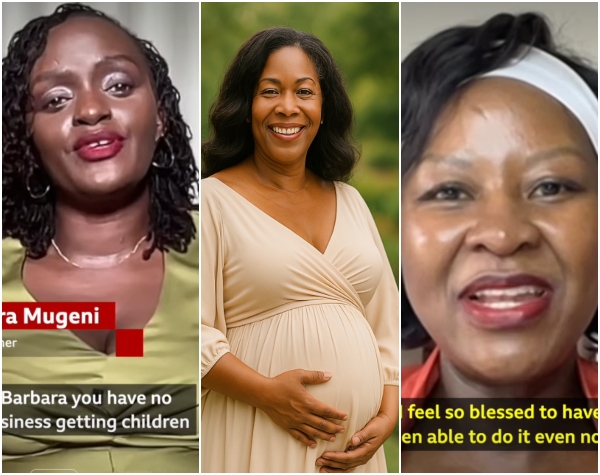
During a new discussion featured on BBC Africa’s Focus on Africa: The Conversation, Barbara Mugeni and Vanessa Tloubatla, both of whom became mothers at the age of 46, shed light on the social pressures, medical realities, and personal motivations behind later-life pregnancies.
Mugeni recounted facing skepticism and judgment from those around her, including healthcare professionals.
“I met lots of people who would say, ‘Barbara, you have no business getting children at this age,’” she said, adding that even her doctor treated her “like a glass that’s going to break.”
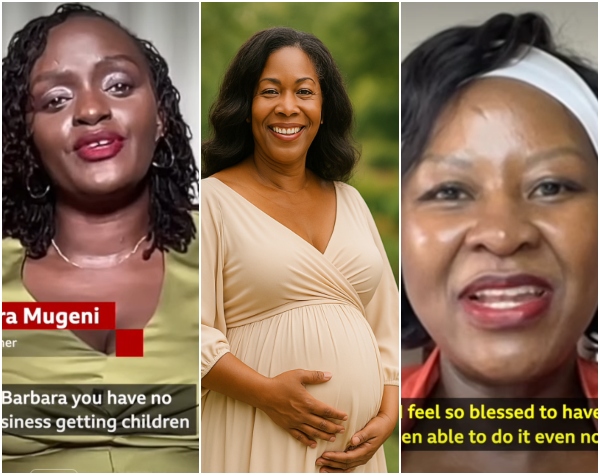
Despite the criticism, Mugeni explained that delaying childbirth allowed her to focus on professional growth and emotional readiness.
“Childbirth is being shelved a bit so that somebody can move up the career ladder and achieve more,” she said. “We’re more stable, we’re more prepared.”
Tloubatla echoed similar sentiments, noting that her decision to wait was deeply personal.
“I’ve always wanted to have a child with someone that wanted to have a child with me,” she said, explaining that she delayed motherhood until she felt secure in her partnership.
While both women described their journeys as fulfilling, medical experts interviewed on the programme cautioned that later-life pregnancies can carry increased health risks. These include gestational hypertension, preeclampsia, eclampsia, and gestational diabetes, conditions that doctors say are more common among older expectant mothers. However, specialists have explained that with proper medical care, many of these risks can be reduced.
“You can’t cheat nature completely,” Mugeni acknowledged, pointing to the complications she faced. Still, both women expressed gratitude for the experience.
“I feel so blessed to have been able to do it even now,” Tloubatla said. “And now that I’ve done it, I’m obsessed with my child.”
The conversation reflects broader social changes across Africa, where shifting gender norms, economic pressures, and evolving expectations around marriage and family are influencing when—and how—women choose to become mothers.