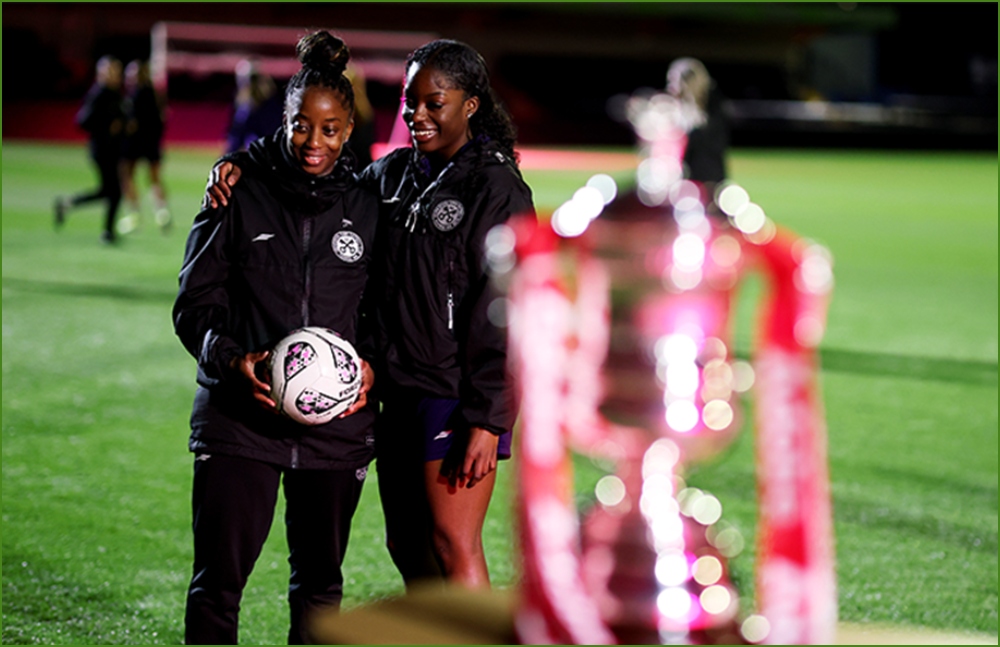
On a chilly English weekend, one lower-tier club will walk onto the Women’s FA Cup stage carrying a story far bigger than the competition itself — a story of family, football, and a rare slice of sporting history.
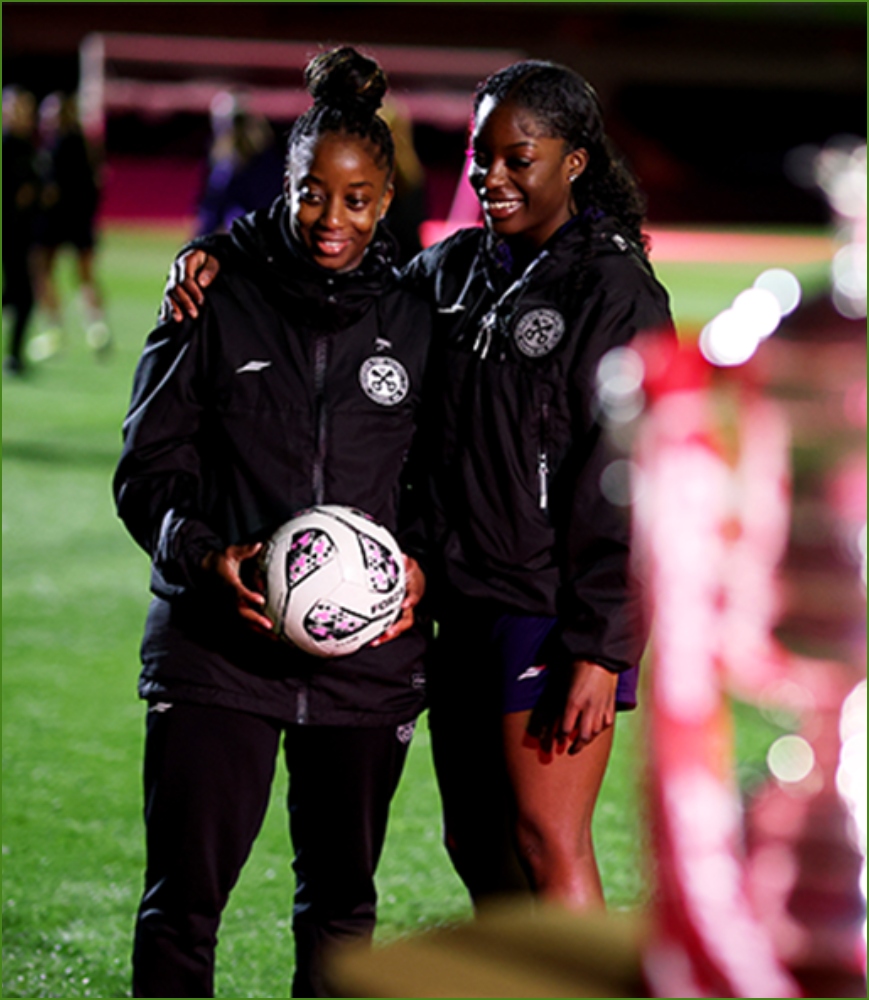
Hednesford Town forward Hazzana “Haz” Parnell, 38, and her daughter Remaya Osbourne, 16, are set to play side by side in the second round of the Adobe Women’s FA Cup — a moment rarely seen at any level of the game.
For American readers accustomed to heart-tugging high-school sports narratives, this one has a distinctly global flavor: a mother who once stepped away from the game to raise her daughter now sharing the same frontline attack with her, in one of football’s oldest and most prestigious competitions.
A Career Paused, A Dream Restarted
Parnell’s CV spans Aston Villa, Birmingham City, Charlton, Nottingham Forest, Fulham, and England youth caps. When she had Remaya as a teenager, football took a back seat — but never disappeared completely.
“I ended up having a break when I had Remaya,” she recalled. “But I missed football… it’s been nice to re-join and be able to run the pitch, scoring goals and celebrating together.”
That “together” part isn’t just emotional. The pair already combined for a goal in an earlier FA Cup round — daughter assisting mother.
A Daughter Steps Into Her Own
Osbourne, who only became eligible to join the team at 16, grew up with football in the bloodline. Both parents played professionally. But stepping into the FA Cup — a competition broadcast worldwide and older than many nations — still feels unreal.
“I haven’t fully grasped that it’s not grassroots anymore,” she said. “It’s the FA Cup. And now it’s my turn. I just want to make my parents proud.”
The family connection is unmistakable. On the pitch they play as attacking partners; off the pitch they carry the supportive, teasing, deeply bonded rapport of a household that loves the game as much as each other.
Underdogs With Something Extra
Hednesford Town sits in the fifth tier — a humble position in a competition that welcomes giants like Arsenal, Manchester United, and Chelsea. Their opponents this weekend, Sporting Khalsa, sit two levels higher.
Parnell isn’t intimidated.
“Sometimes people write underdogs off and they turn out to surprise them,” she said. “We’re positive. We’ll stick together and do our best.”
For Hednesford, reaching the second round is already a historic run. For the Parnell-Osbourne household, this is something even more profound — a generational handover happening in real time.
Why Stories Like This Matter
Women’s sports continue to expand in visibility and investment, particularly in the U.S., where the NWSL and youth soccer systems are booming. Stories like Parnell and Osbourne’s tap into something beyond competition — they highlight what women’s football is becoming: multigenerational, community-rooted, and emotionally rich.
It’s a reminder that the world’s biggest game is still, at its heart, about connection.
A mother who once left football to raise her daughter now finds herself sprinting beside her in a historic cup tie. And a daughter who grew up watching her mother chase goals now gets to chase them with her.
This weekend, no matter the scoreline, history kicks off at the first whistle.