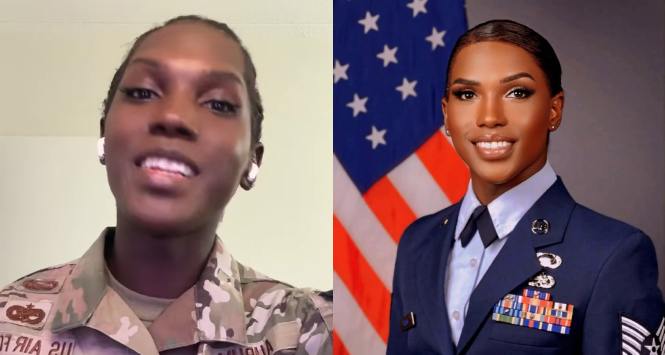
As the U.S. Army begins implementing a controversial new policy under President Donald Trump’s directive to remove transgender individuals from military service, Technical Sergeant Altesse Aurum, a transgender woman, officially marked her last day in the Air Force.
Despite the deeply personal and political implications of her exit, Aurum said she harbors no sadness, noting she remains grateful and honored to have served her country.
“I’ve worn the uniform with pride,” Aurum shared. “That will never change.”

The new Army policy, posted May 22 to the service’s Human Resources Command website, establishes a two-phase discharge system targeting service members with a current diagnosis or history of gender dysphoria, as well as those who have undergone hormone therapy or gender-affirming surgeries.
Phase I: A voluntary self-identification window that runs until June 6, allowing transgender personnel to opt for administrative separation with full pay and honorable discharge.
Phase II: Begins June 7, when the Army will initiate involuntary separation proceedings. Commands will have 30 days to act once a service member is identified.
An Army spokesperson confirmed the process to Army Times, stating:
“The Army recognizes the selfless service of all who have volunteered. These individuals will be treated with dignity and respect.”

Still, the impact is significant: recent Pentagon estimates place the number of openly transgender personnel in the armed forces at more than 4,000, serving in various roles — including combat. All will now face discharge under this policy, which took effect after the Supreme Court allowed the Trump administration’s ban to move forward.
Civil rights advocates and military equality organizations have sharply criticized the policy, calling it a regression of inclusive military policy and a violation of service members’ rights.
They argue the policy not only contradicts modern medical understanding of gender dysphoria, but also undermines unit cohesion and morale by discharging capable and dedicated personnel.