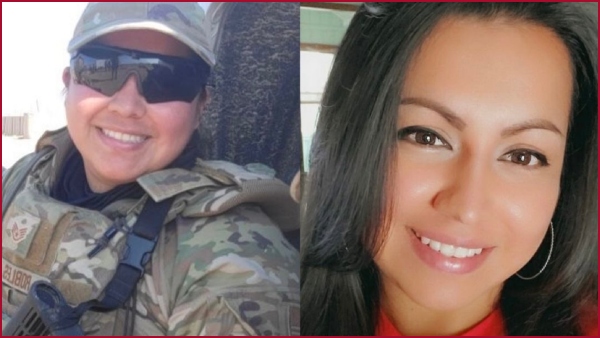
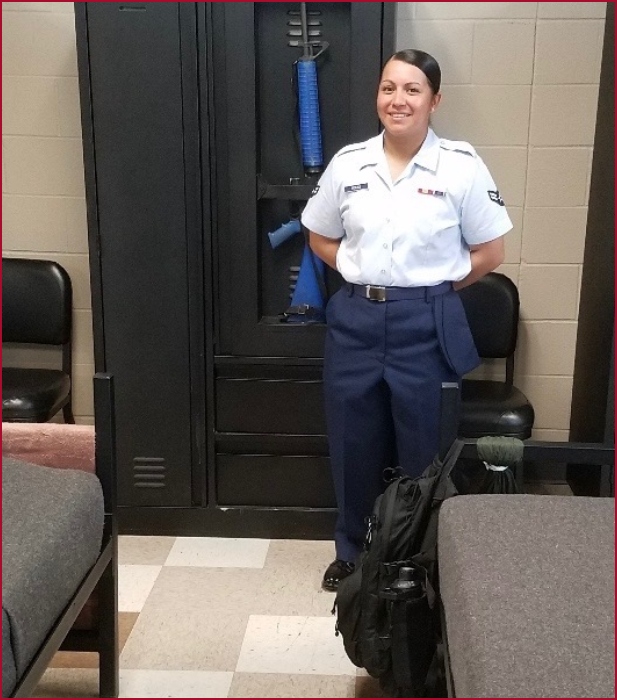
A U.S. military veteran from Wichita, Lorraina Robles, is fighting for her life — and financial survival — after being diagnosed with stage 3 cervical cancer.
This is just weeks after returning from a combat deployment, only to have her treatment denied by the U.S. Department of Veterans Affairs.
According to her family, the VA declined to cover her medical care, stating the cancer is “not military related” because the diagnosis came after she left active duty.
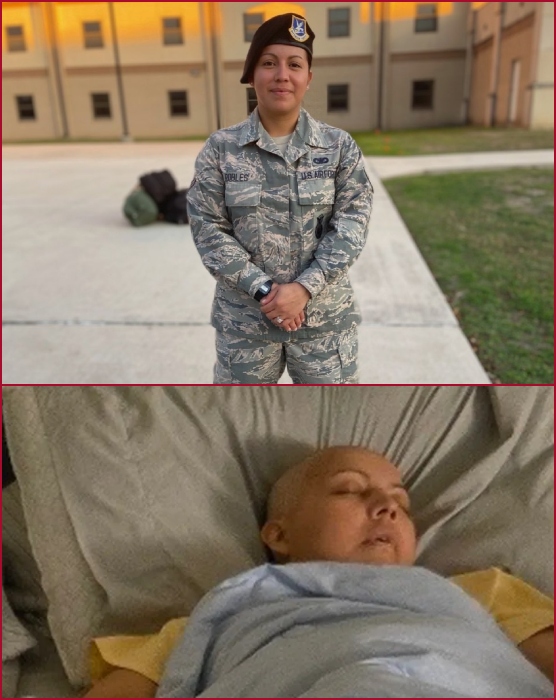
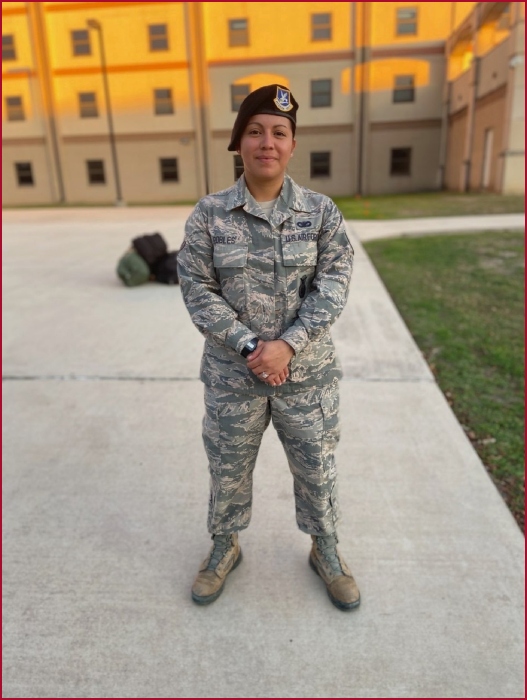
Lorraina Robles, 33, was diagnosed in April 2025, one month after completing a year-long deployment in Africa under harsh combat conditions and separating from active military service.
Battle for treatment — and support
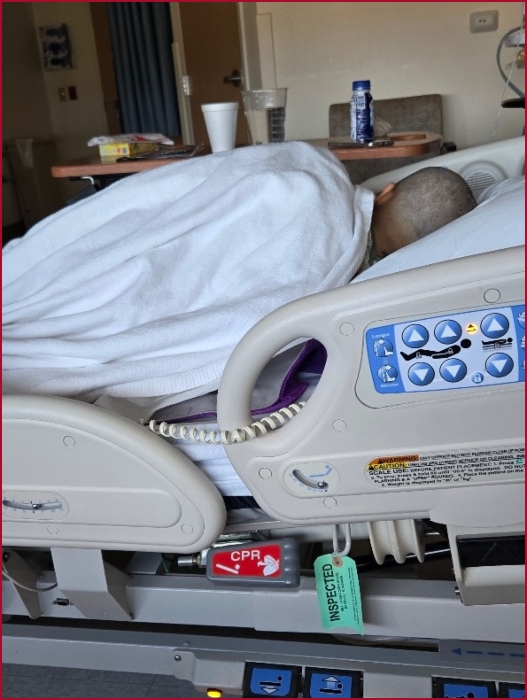
Robles’ first round of chemotherapy was unsuccessful, and she is now undergoing a more aggressive treatment regimen that has required repeated hospitalizations. Her condition has worsened to the point that she often struggles cognitively and requires full-time care from her husband.
Meanwhile, mounting medical bills have placed significant financial strain on the family.
A fundraising campaign created by relatives says Robles has endured severe side effects from treatment, including hair loss and extreme fatigue, while continuing to fight the disease.
“What makes this especially hard,” her family wrote, “is that she served her country for years, including a year in combat conditions, yet now faces this battle without full support.”
Broader questions about veteran care
Her case has sparked renewed debate about how veterans are supported once they transition out of active service — particularly when serious medical conditions emerge shortly afterward.
Advocates say Robles’ situation highlights gaps in eligibility rules that can leave recently separated service members struggling to access healthcare benefits, even after hazardous deployments.
Robles’ family is asking for public support and attention to her case, hoping both to help cover expenses and raise awareness about the challenges some veterans face after leaving the military.