
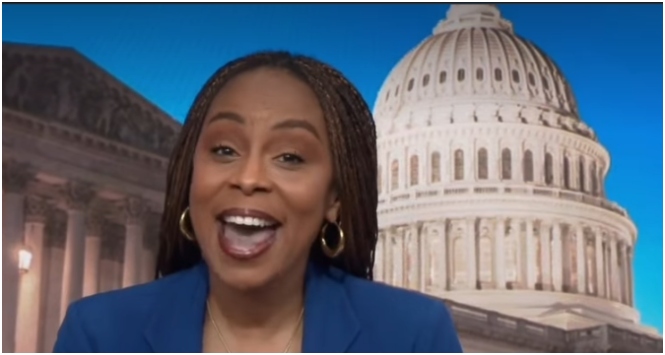
U.S. Rep. Shontel Brown is raising alarm over a new federal farm bill, warning that it could deepen economic hardship for millions of Americans already struggling with rising costs and reduced access to food assistance.
Speaking on the House floor and in a social media post, Brown sharply criticized the legislation, tying it to broader economic policies she says have worsened conditions for working families.
“Where is the relief? Where is the urgency?” Brown asked, describing what she called a “five-alarm fire in farm country” that lawmakers are failing to adequately address.
At the center of Brown’s concerns are significant cuts to the Supplemental Nutrition Assistance Program (SNAP), which she says has already had a devastating impact nationwide.
According to Brown, approximately four million Americans have lost food assistance benefits, with more cuts expected if the current farm bill is enacted.
“In my district, 11,000 people have lost food assistance, and that’s before the next round of cuts kick in,” Brown said. “Nationally, four million Americans have already been kicked off SNAP entirely.”
Brown linked the reductions to what she referred to as “Trump’s Big Ugly Law,” as well as tariff policies she claims have driven up costs for farmers and consumers alike.
She argued that the proposed farm bill would not only fail to alleviate these pressures but would instead “cement those cuts and that cruelty into law.”
The legislation, traditionally a bipartisan effort balancing agricultural support with nutrition assistance, has become increasingly contentious.
Brown contends that recent policy shifts have “torched the bipartisan coalition that has kept the farm bill together for generations,” making it difficult for lawmakers to find common ground.
“Working families aren’t doing any better. Gas, goods, and groceries costs are rising, and this bill does nothing to bring them down,” she said.
Supporters of the farm bill argue that it reflects necessary fiscal adjustments and broader economic priorities.
However, critics like Brown warn that the long-term consequences could disproportionately affect low-income households, particularly as inflation continues to strain household budgets.
The debate comes at a critical moment for U.S. agriculture and food policy, as lawmakers face mounting pressure to address both farmer sustainability and food insecurity across the country.
Brown ultimately voted against the measure, signaling continued resistance from some Democrats as negotiations over the final shape of the farm bill move forward.