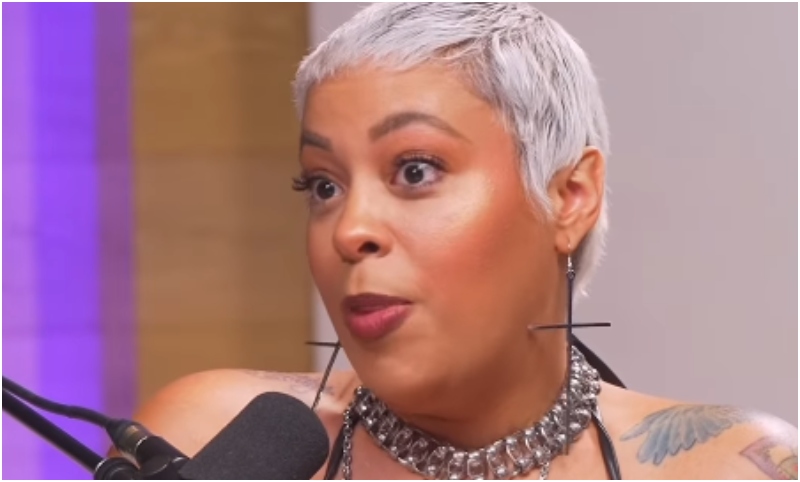
Media personality and podcaster Mandii B has opened up about her views on romantic relationships, explaining why she believes “ethical non-monogamy” aligns more closely with her lived experiences than traditional monogamy.
Speaking on the platform @LoveandFlySht, Mandii B — known online as @fullcourtpumps — reflected candidly on earlier chapters of her life, including years spent in relationships with married men. She said those experiences fundamentally shaped how she understands intimacy, expectations, and personal boundaries in romantic partnerships.
In her submission, Mandii described how, during her late teens and early twenties, married partners often provided financial and emotional support during critical moments, such as paying bills, helping her through college, or showing up for birthdays and holidays. At the time, she said, those dynamics felt transactional rather than romantic.
“To me, if you’re a married man, this ain’t about love,” she said, explaining that the relationships were based on mutual exchange rather than emotional exclusivity.
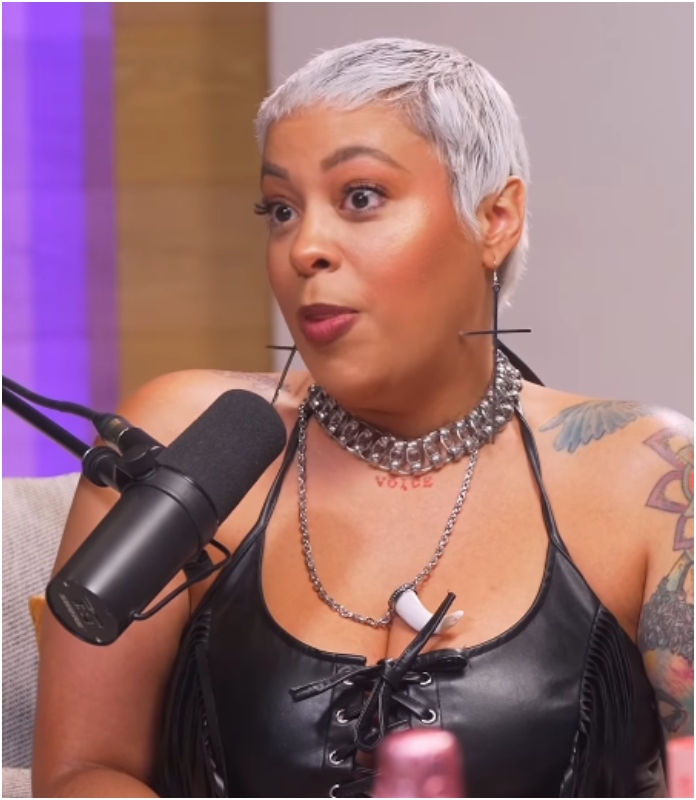
Mandii noted that she has since outgrown that phase of her life and no longer seeks to be involved in secret relationships. However, she said those early experiences forced her to confront issues around self-worth, financial pressure, and how society frames commitment and loyalty.
Now 35, Mandii argues that the possessiveness often associated with monogamy feels unnatural to her. She questioned why society encourages people to love multiple family members and friends freely, yet expects romantic love to be restricted to a single person.
“You can love multiple people,” she said. “But when we get into romantic relationships, it has to be only this person. The possessiveness of it doesn’t appear natural to me.”
She added that ethical non-monogamy, which thrives on honesty, consent, and clear boundaries among all parties involved, feels more realistic than traditional relationship models that assume one person can meet all emotional, financial, and social needs.
Mandii’s remarks have sparked discussion online about evolving relationship norms, particularly among younger generations who are increasingly questioning long-standing ideas about exclusivity, marriage, and emotional ownership. While ethical non-monogamy remains controversial in many cultures, advocates argue it reflects a broader shift toward transparency and self-defined partnerships.