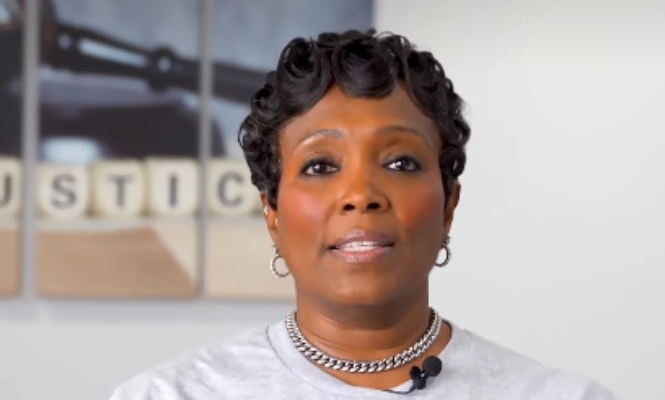
A prominent attorney is warning Americans to think carefully before calling police during domestic disputes, stressing that such calls can trigger legal consequences that cannot simply be reversed.
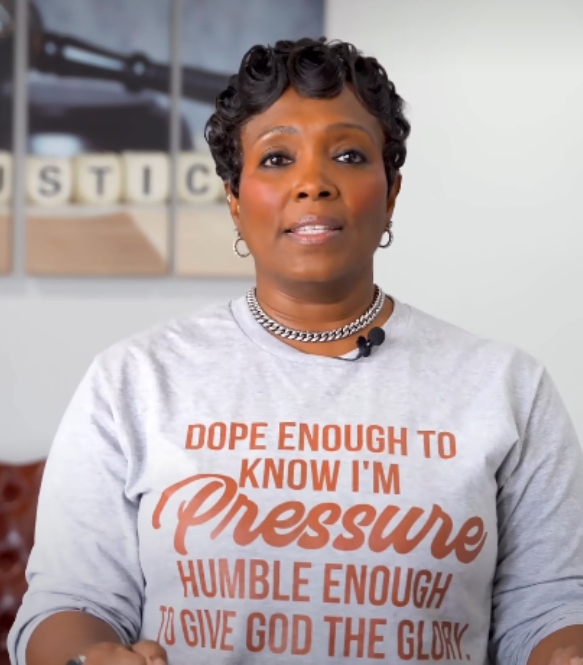
Attorney Stephanie Lindsey, known on social media as @attorneystephanie, shared the caution in a widely viewed post, explaining that once law enforcement is involved in a domestic violence situation, the outcome may be out of the caller’s hands.
“Once a domestic violence call is made, it can trigger an arrest and charges based on what officers observe—not whether you change your mind after,” Lindsey said.
Calls Can Lead to Arrests—Even in Heated Arguments
Lindsey noted that many domestic violence calls stem from emotionally charged arguments rather than ongoing abuse, but police are required to take every report seriously.
“Sometimes it’s really not a domestic violence situation—it could just be an argument that two people are having,” she said. “But the police take those calls very seriously.”
Even minor physical contact during an argument, she explained, can prompt police intervention and potentially lead to an arrest depending on the circumstances.
Legal Process May Continue Without Victim
One of the key points Lindsey stressed is that individuals who call the police cannot always stop a case from moving forward later.
“In a lot of cases, the decision to move forward is out of your hands,” she said, explaining that prosecutors can pursue charges based on available evidence, even if the person who made the call no longer wants to proceed.
She recounted a situation in which a woman called police during a dispute with her boyfriend, only to later regret the decision after he was arrested and held in custody due to a probation violation.
“She wanted to know what she could do to fix it,” Lindsey said. “To be honest with you, there’s very little that you can do.”
A Call for Caution—But Not Silence
While urging caution, Lindsey made clear that anyone facing real danger should not hesitate to seek help.
“If you are truly in danger or being abused, call the police. Your safety comes first, always,” she said.
However, she warned against using emergency services as leverage in arguments or as a way to intimidate a partner.
“That call can have real, lasting consequences for both people involved,” she said. “If you’re just calling in the heat of the moment, it’s not worth it.”
Growing Awareness Around Domestic Violence Laws
Lindsey’s message comes amid broader discussions about how domestic violence cases are handled, including policies that prioritize swift police response and prosecution to protect victims.
Her warning highlights the importance of understanding how the legal system works—especially in situations where a single decision can have long-term consequences.