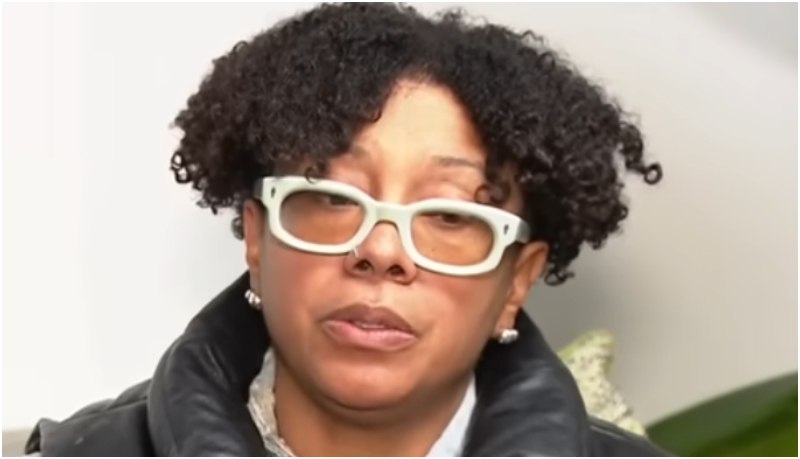
A woman previously evicted from a Northeast Washington home after months of alleged squatting is now suing the property owner for $500,000, claiming luxury items went missing following her removal.
Shadija Romero filed the lawsuit against homeowner Rochanne Douglas, alleging that designer goods and personal belongings disappeared after a judge ruled she had no legal right to remain in the property.
Legal battle follows eviction ruling
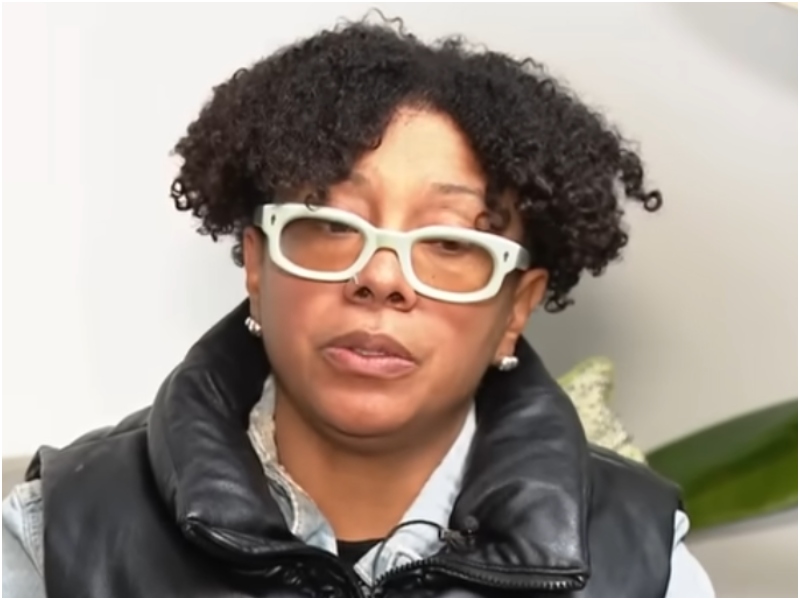
The dispute stems from Romero’s stay at a home she initially booked through Airbnb in February. According to reports, Romero requested an extension and later arranged to pay outside the platform, a move that effectively removed Airbnb’s protections for the homeowner.
After remaining in the home for an extended period, the matter went to court. In December, a judge determined Romero did not have tenant rights and authorized Douglas to evict her and remove her belongings.
Romero now claims that during or after that process, items valued at approximately $500,000 — including designer goods — went missing or were damaged.
Pattern of housing disputes alleged
Local reporting indicates Romero has a history of similar disputes, including allegations that she would secure short-term housing, establish residency through an initial payment, and then remain without paying rent while pursuing legal delays.
Investigations also found she had previously faced eviction from another property, where she reportedly owed tens of thousands of dollars in back rent. Romero had claimed a fire destroyed her belongings at that residence, though reports indicate the fire occurred during eviction proceedings.
In addition to the lawsuit against Douglas, Romero has also filed a separate $30,000 claim against a local housing activist known as “Dmvapartmentlady,” alleging involvement in the loss of her belongings.
Broader housing concerns
The case highlights ongoing challenges in Washington, D.C.’s housing system, where property owners and tenants alike have raised concerns about gaps in eviction laws, short-term rental policies, and enforcement mechanisms.
Housing attorneys have noted that legal filings and voucher applications can sometimes delay eviction proceedings, creating prolonged disputes between occupants and property owners.
Case ongoing
Romero’s lawsuit will now move through the court system, where she will be required to provide evidence supporting her claims of missing property and damages. Douglas has not publicly responded to the allegations.
The case underscores the complex legal landscape surrounding tenancy rights, short-term rentals, and property disputes in major urban housing markets.