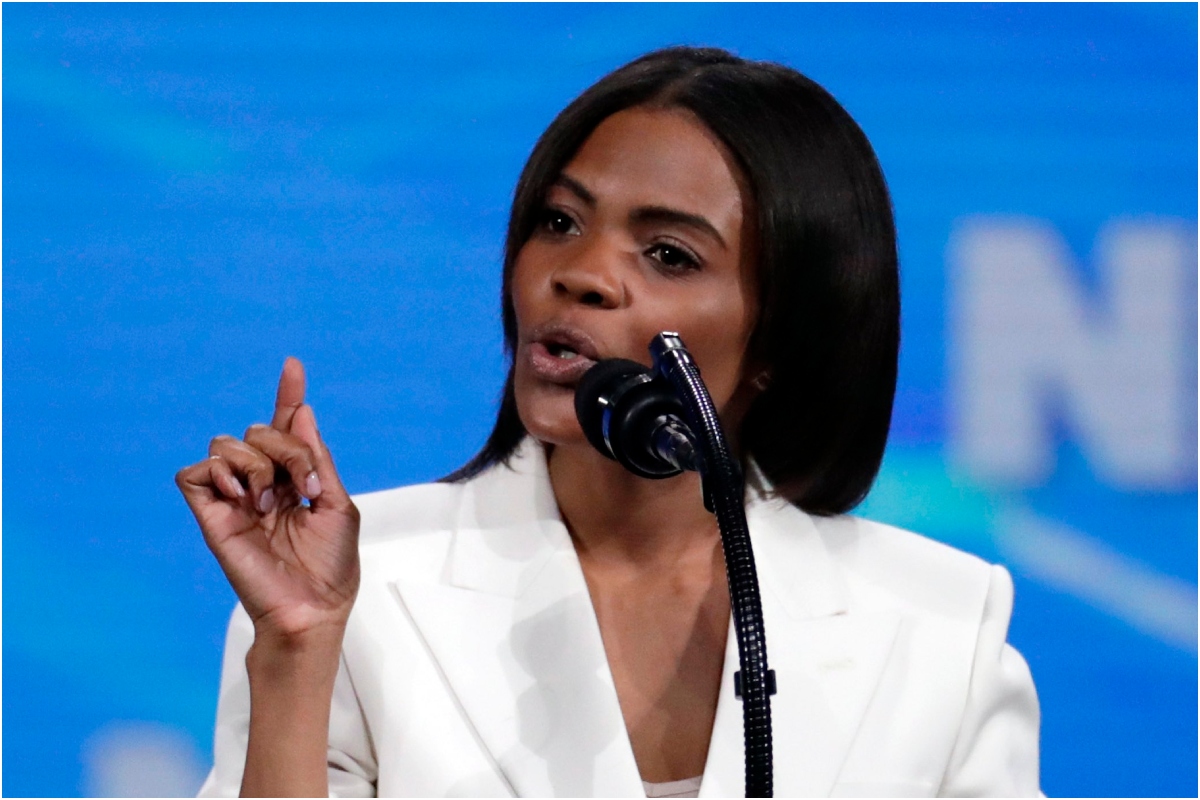
Candace Owens has pulled out of an in-person appearance at a Turning Point USA livestream meant to address the conspiracy theories she has circulated about Charlie Kirk’s assassination,
The move now sets up what promises to be a volatile virtual confrontation watched by millions.
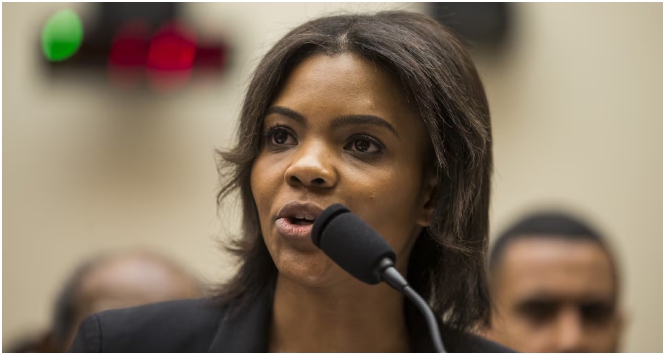
Owens announced the shift on X, saying she learned of TPUSA’s alleged confirmation of her appearance only after they posted about it publicly.
“Why am I learning about this on X?” she wrote, calling the scheduling “kind of weird” and adding that the organization already knew Dec 15 conflicted with her daily live podcast.
She offered instead to join the event virtually and even cancel her broadcast for the day.
Hours later, Owens explained that she was willing to appear on Charlie Kirk’s show any day before the planned debunking livestream, citing the flexibility of working virtually while managing her children and their homeschooling schedule.
But by her final post of the night, the temperature had risen:
“It has been decided by the public that the best response… is for my team to livestream your livestream and provide commentary,” she wrote. “We look forward to providing live responses to your ‘once and for all’ answers.”
A Movement at War With Itself
The clash follows weeks of escalating accusations from Owens, who has told her audience that TPUSA has avoided answering “basic questions” about Kirk’s murder in September.
Prosecutors say Kirk, the Turning Point USA founder and one of the right’s most recognizable figures, was shot and killed at a Utah university. His alleged killer is awaiting trial.
Owens has suggested—without evidence—that foreign governments, including France and Israel, may be connected to the assassination. She has also claimed an Israeli individual is trying to kill her.
For TPUSA, this crossed a line long ago.
The conflict burst into public view after Blake Neff, longtime producer of The Charlie Kirk Show, dedicated a full segment to dismantling Owens’s claims. Neff accused her of spreading narratives that are “either lies or innuendos thrown around with a total, reckless disregard for the truth,” and revealed that staff had faced more harassment from Owens’s followers than from “Antifa supporters who overtly celebrate Charlie’s murder.”
High Stakes and High Emotions
TPUSA then announced it would host a livestream to debunk Owens’s claims “once and for all” and extended an invitation for her to join. Owens immediately accepted.
Now, with Owens ditching the in-person appearance and planning to livestream her reactions in real time, the confrontation could resemble less a fact-finding exercise and more a political cage match.
The stakes go far beyond two media personalities. The feud reflects deeper fractures within a conservative movement already splintering under the weight of rival brands, competing narratives, and growing pressures from their own audiences.
A Dangerous Turning Point
Owens and TPUSA were once aligned. But in an era where distrust can be monetized and conspiracy content can outrun facts, the collision between them feels both inevitable and combustible.
For a movement that prides itself on message discipline, the very public unraveling raises hard questions:
Who controls the narrative? Who do millions of conservatives believe? And can a movement so fractured agree on what “truth” even is?
As December 15 approaches, one thing is certain: whether the livestream delivers clarity or chaos, the American right will be watching—and the fallout will echo far beyond the broadcast.