
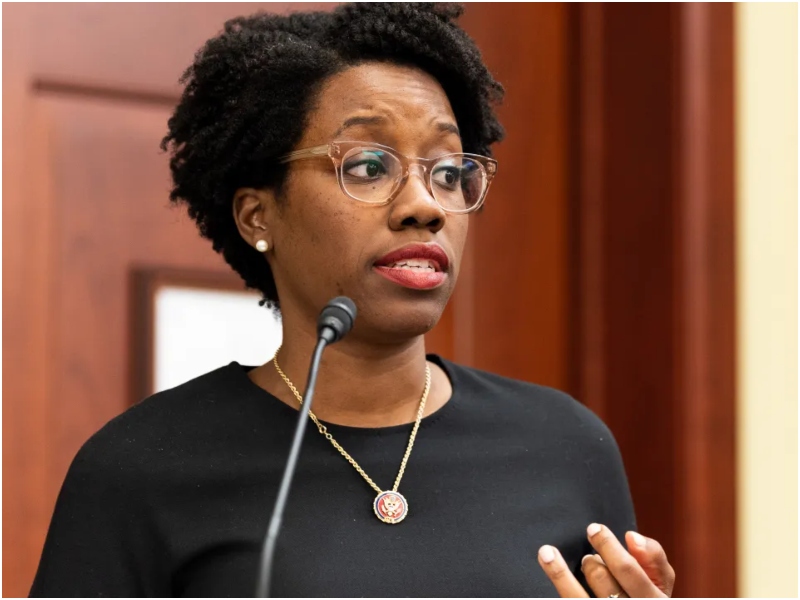
When Rep. Lauren Underwood (D-Ill.) took the House floor recently, she didn’t tiptoe around her message.
She delivered it with the force of a lawmaker who has spent years watching her constituents bear the brunt of federal overreach—and decided to call it what it is.
Underwood recounted a midnight federal operation carried out in Chicago during the Trump administration—an episode she described as “horrifying” both for its tactics and its outcomes.
According to her remarks, federal agents descended from helicopters, smashed their way into apartments, deployed flashbang grenades, and pulled children from their beds, zip-tying and detaining U.S. citizens for hours.
“And yet, after all that,” she said, “federal prosecutors have not filed criminal charges against anyone detained that night.”
The numbers she cited were jarring:
- DHS reported 614 arrests tied to “Operation Midway Blitz.”
- Only 16 people had any criminal history at all — just 2.6 percent.
Underwood reserved particular outrage for the Border Patrol agent who led the operation. Greg Bevino, she said, openly told a reporter that agents arrested people based on “how they look.” Underwood didn’t mince words:
“This is a complete failure.”
A Pattern, Not an Outlier
For many Chicago residents—particularly Black, Latino, and immigrant communities—the story Underwood told rings painfully familiar. Federal and local law enforcement partnerships have long been criticized for conducting sweeping raids that cast wide nets yet yield few legitimate targets.
Civil rights advocates argue that indiscriminate tactics often deepen distrust, fracture neighborhoods, and leave families traumatized, all while failing to make communities safer. Underwood’s speech throws that reality into sharper relief.
Why Her Remarks Hit Now
The congresswoman’s comments come as debates about federal policing tactics resurface ahead of 2025 security funding negotiations.
For Democrats, Underwood’s account adds weight to calls for stricter oversight of federal law enforcement and better protections for civil liberties. For Republicans, it raises uncomfortable questions about the effectiveness—and legality—of some Trump-era enforcement operations.
Still, the story she told on the House floor stands on its own: a large-scale federal raid that left families shaken, broke doors but not criminal cases, and was allegedly guided by profiling.
And as Underwood made clear, she intends for the country to reckon with it.

