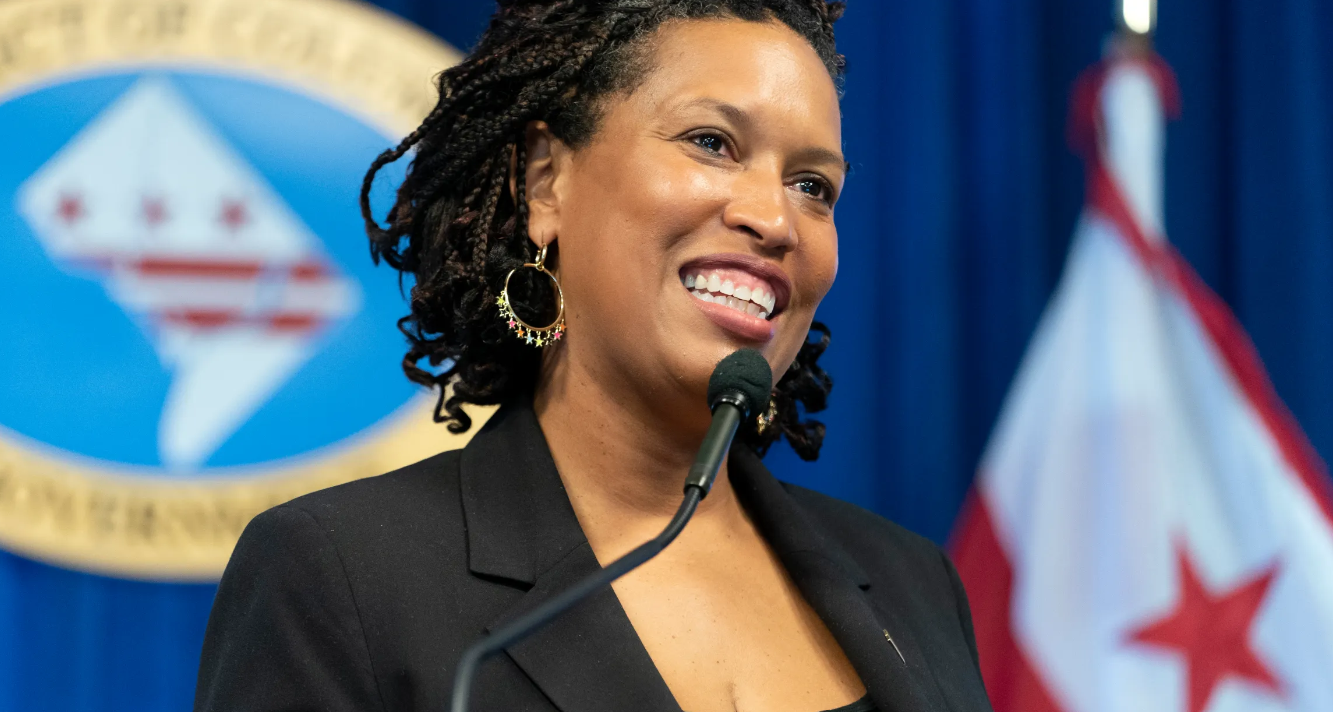
Mayor Muriel Bowser announced a major expansion of the District’s composting network on May 29, National Learn About Composting Day, highlighting the success of Washington, D.C.’s food waste diversion programs and unveiling plans to install 20 additional public food waste smart bins across the city later this summer.
Joined by officials from the Department of Public Works (DPW), District leaders, and sustainability partners, Bowser celebrated a milestone for the city’s environmental initiatives. Since launching comprehensive food waste diversion programs in 2017, DPW has collected more than 11 million pounds of food waste for composting. According to city officials, that environmental impact is equivalent to removing approximately 500 gas-powered passenger vehicles from the road or growing about 35,000 trees for a decade.
The District’s composting efforts continue to gain momentum. In 2025 alone, more than 3.3 million pounds of food waste have been diverted from landfills and transformed into nutrient-rich compost that supports healthier soils and greener communities.
“When we launched the District’s first comprehensive composting programs almost a decade ago, we set out to make composting accessible to residents in all eight wards,” Bowser said. “With 20 new smart bins coming soon, we’re expanding that network even further.”
The city’s current composting infrastructure includes 12,000 households enrolled in residential curbside food waste collection and 45 drop-off locations across the District. These include 13 weekend collection sites at farmers markets and 31 public smart bins. Since their installation began in February 2025, the smart bins have already collected more than 800,000 pounds of food waste and are expected to surpass one million pounds by summer.
The new smart bins will feature accessibility enhancements that comply with the Americans with Disabilities Act and are designed to contain odors, deter rodents, and notify crews when servicing is required through built-in smart technology.
To support future growth, Mayor Bowser’s proposed Fiscal Year 2027 budget includes an additional $4.2 million investment in the composting program. Officials say the funding will help expand access, divert more waste from landfills, and create cleaner neighborhoods throughout the city.
Food waste collected through the program is transported to a commercial composting facility in Maryland, where it is converted into nutrient-rich soil used by local farms and gardens. Residents participating in the curbside composting program also receive a free bag of compost annually, helping complete the cycle of sustainability close to home.