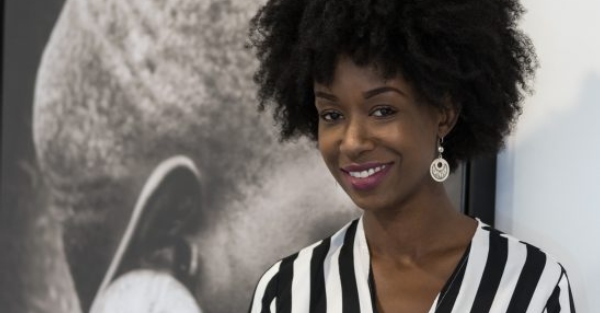
French-Senegalese fashion designer Dyenaa Diaw gaining international attention for designs that fuse traditional West African textiles with modern fashion silhouettes, creating garments that celebrate both heritage and contemporary style.
Diaw is the founder of Peulh Vagabond, a fashion brand she launched in 2014. The label draws heavily on her Senegalese roots and Peulh heritage, as well as her passion for travel.
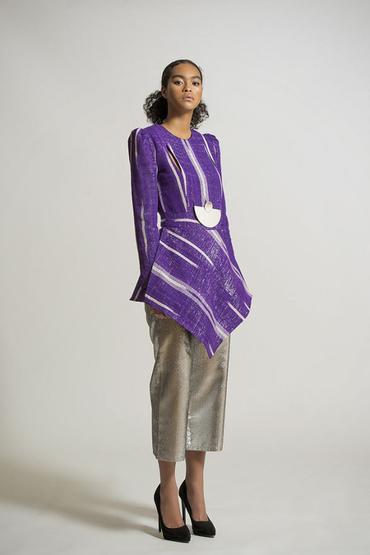
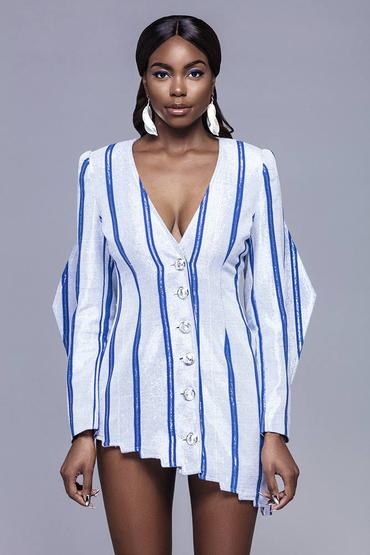
Her collections combine elegant, feminine designs with traditional materials such as cotton and faso dan fani, a handwoven textile from Burkina Faso.
Fashion With a Story
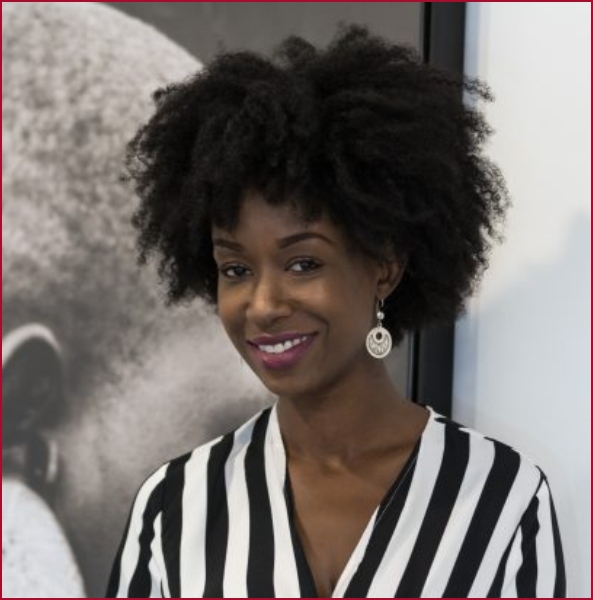
In a recent interview with Deutsche Welle, Diaw explained that her work goes beyond clothing.
“It’s not just a garment. I sell a story behind it,” she told DW-Euromax in a recent interview. “Behind each fabric there are craftsmen, there are families, there are children who allow us to live better.”
Her approach reflects a growing movement in global fashion that emphasizes ethical production, artisan craftsmanship, and cultural storytelling.
Celebrity Attention
Diaw’s designs have already caught the attention of global stars.
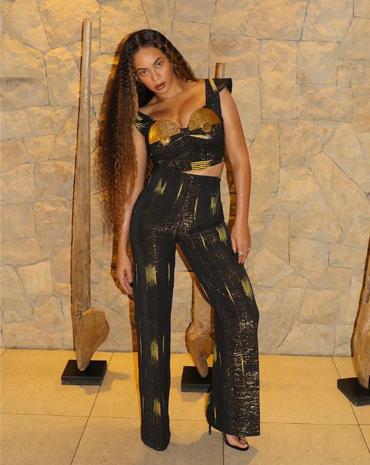
In 2018, international music icon Beyoncé wore two creations from the Peulh Vagabond label, helping introduce the designer’s work to a worldwide audience.
The exposure helped spotlight the use of traditional African fabrics within high fashion.
A Blend of Heritage and Modern Style
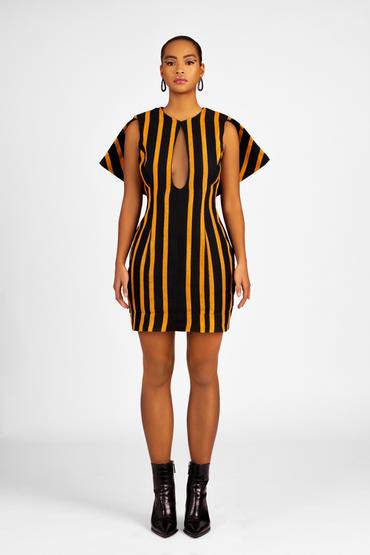
Peulh Vagabond’s latest collection, “Midnight in Dark,” continues Diaw’s signature approach. The collection features bold stripes, geometric shapes, and vibrant color combinations, blending African textile traditions with modern design aesthetics.
The brand’s identity is rooted in the concept of journey and cultural exchange, reflecting Diaw’s experiences traveling between Africa and Europe.
Challenging Fashion Norms
Diaw has said that early in her career, some people suggested she should focus on elite Paris fashion districts to gain recognition.
But the designer chose to remain committed to her vision — highlighting African craftsmanship and heritage through her work.
Today, her creations stand as an example of how African textiles and cultural narratives are increasingly influencing global fashion, bringing new attention to artisans and traditions across the continent.