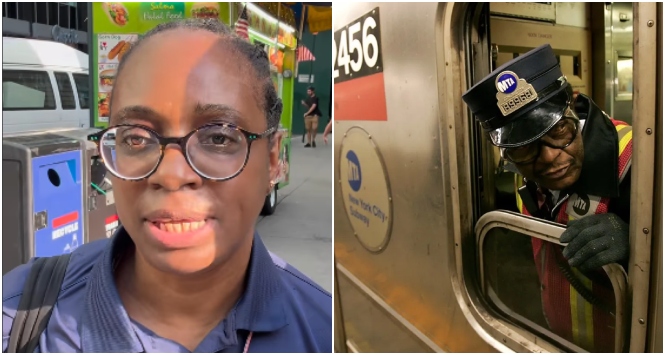
After nearly 19 years of clean service, Patricia, a veteran MTA conductor, is now fighting for her job, not because of misconduct, but because she suffered a stroke and sought medical care under the Family and Medical Leave Act (FMLA), which the MTA had previously approved for years.
The longtime employee, identified only as Patricia in a now-viral advocacy video, says the Metropolitan Transportation Authority (MTA) is attempting to terminate her based on absences that were once authorized under FMLA — the same documentation, same medical condition, but a “new agenda,” according to transit advocate Tramell Thompson of the Progressive Action platform.
“This isn’t just heartless — this is a strategic attack on workers’ rights,” Thompson said in an Instagram post. “The MTA is using FMLA denials as a scare tactic to discourage workers from using it.”
A Stroke on the Job and a Shifting Policy
Patricia suffered a stroke in 2019 while on duty. From that year until 2022, she was granted FMLA coverage to manage her health. However, in 2023, the MTA began rejecting her paperwork, not due to any change in her condition, she says, but allegedly due to an internal policy shift aimed at “improving employee availability.”
“They kept kicking it back,” Patricia said in the video. “We kept filling out the paperwork. I’ve been submitting it for the last two years and it’s still being kicked back.”
The MTA now claims that her absences from 2023 to 2024 violate time and attendance policies — the same absences she believes should have been protected under FMLA.
A “Clean Record” Until Now
Patricia has no safety violations, no lateness infractions, and nearly two decades of service. Yet she now faces dismissal for medical-related absences she says were previously sanctioned.
The stress of the situation is compounded by what she describes as “deplorable” working conditions in the transit system, including asbestos exposure.
“We don’t choose to be sick. If we had better working conditions, maybe our health wouldn’t be declining in RTO,” she stated. “It’s disgusting. They should work more with employees, especially due to the conditions we’re working in.”
Patricia said she’s hoping that by speaking out, she can spark change, not just for herself, but for others in the system:
“Maybe this video can help someone else who’s going through the same thing.”
A Broader Issue?
Thompson, a well-known voice in transit labor advocacy, says Patricia’s case reflects a larger, troubling pattern within the MTA. He believes the agency is quietly weaponizing FMLA denials to deter sick workers from using federally protected leave, prioritizing workforce “availability” over employee well-being.
“They don’t care about your health,” Thompson declared. “They care about service. But if you have to choose between going to work and going to your doctor, what kind of state does that leave you in?”
The MTA has not publicly commented on Patricia’s case, and her disciplinary hearing is pending. However, union members and advocacy groups are now rallying to her defense, calling for greater transparency around FMLA denials and accountability for how long-serving employees are treated when their health is on the line.
⚖️ Workers’ Rights in the Spotlight
The Family and Medical Leave Act (FMLA) was enacted in 1993 to allow eligible employees to take unpaid, job-protected leave for specified family and medical reasons. Employers are prohibited from retaliating against workers who use it, but as this case suggests, access to that protection may be eroding through internal policy shifts and selective enforcement.
As Patricia’s story gains traction online, labor advocates say it underscores a need for stronger protections, especially in industries where physical and mental strain are routine.
“We got our sister’s back,” Thompson said in closing. “And we’re gonna make sure her situation gets resolved. Believe that.”