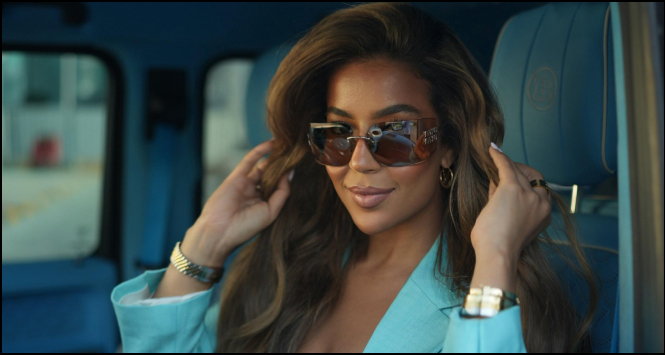
Social media influencer and entrepreneur Afnan Khalifa is going viral after posting a message that unapologetically encourages women to embrace and leverage what she calls “pretty privilege.”
In a now-trending Instagram post, Khalifa wrote, “Use your pretty privilege. They’re ugly .. you’re not. Not your problem 🤞🏽🤪,” alongside a video where she doubles down on her belief that beauty can be a legitimate advantage — and that women shouldn’t feel ashamed for using it strategically.
“Pretty privilege is real,” Khalifa said in the clip. “Stop feeling guilty for using it. We act like pretty privilege is some dirty secret, but the world has always run on it. Doors open faster for beauty, people treat you softer — and that’s not your fault, that’s how society is wired.”
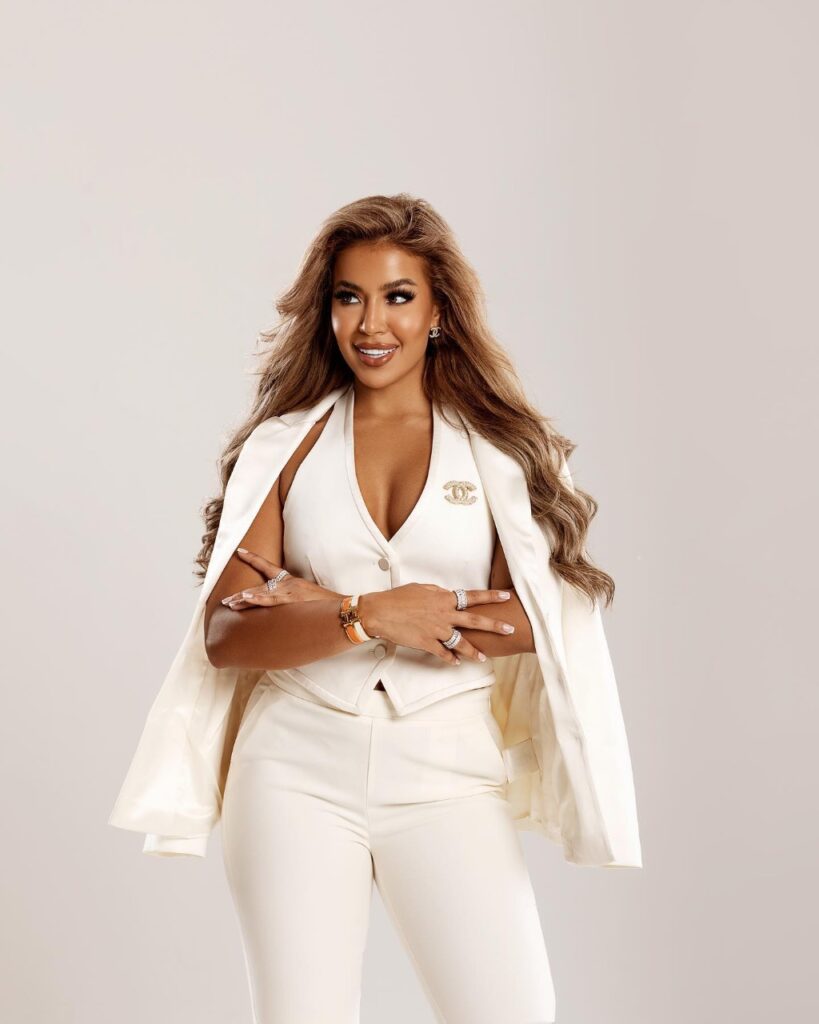
Her candid remarks have divided audiences, with some applauding her for voicing what many quietly acknowledge, while others argue that her message reinforces superficial standards.
Khalifa went on to compare beauty to other forms of privilege, stating that “athletes use their talents,” “rich kids use their parents’ money,” and “men use strength and confidence to dominate spaces.” She concluded by urging women not just to “enter the room” with beauty, but to “build something that lasts longer than a face card.”
“If you combine beauty with brains and confidence and skill,” Khalifa explained, “that’s when privilege becomes power.”
Social Media Reactions
The post has sparked an intense debate across Instagram and TikTok, with some commenters calling her statement “refreshingly honest,” while others criticized it as “toxic advice” that undermines the value of merit and professionalism.
One user wrote, “She’s not wrong — society rewards beauty whether we like it or not.” Another countered, “This kind of message keeps women trapped in a system that already values looks over everything else.”
Despite the controversy, Khalifa’s video has been shared thousands of times, with clips circulating across lifestyle, fashion, and self-development pages.
The Bigger Conversation
Sociologists and media analysts note that the concept of “pretty privilege” — the idea that attractive people receive unearned advantages in social, professional, and economic situations — has long been studied but rarely discussed openly. Khalifa’s remarks, they say, highlight how social media continues to blur the line between empowerment and exploitation in the beauty economy.
Whether celebrated or condemned, Khalifa’s message has clearly struck a cultural nerve — one that forces uncomfortable questions about power, gender, and how far society still has to go in valuing substance over appearance.