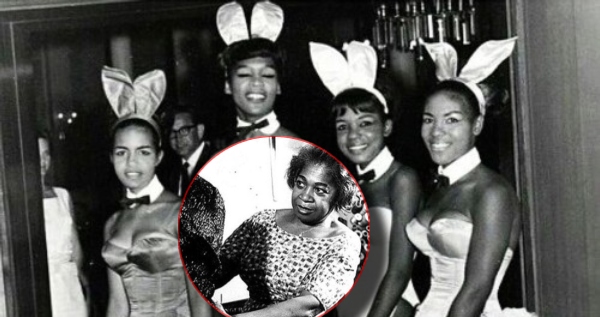
Long before diversity became a buzzword in fashion, Zelda Wynn Valdes was quietly reshaping American style — dressing icons, breaking racial barriers, and building businesses at a time when Black designers were largely shut out of the industry.
Today, historians and fashion scholars say her legacy is finally receiving the recognition it deserves.
A Trailblazer in Segregated America
Born in Pennsylvania in 1905, Valdes learned sewing from her grandmother before moving to New York City during the Harlem Renaissance. At a time when racial discrimination limited opportunities for Black entrepreneurs, she made history in 1948 by opening Chez Zelda, widely regarded as Manhattan’s first Black-owned boutique on Broadway.
Operating near the theater district, the shop attracted elite clientele across racial lines — a rare achievement in mid-20th-century America.
Her designs amplified elegance and body-positive tailoring, particularly for women whose figures mainstream fashion often ignored.
Dressing Legends of Stage and Screen
Valdes quickly became a trusted designer for some of the biggest names in entertainment.
Her clients included:
- Josephine Baker
- Ella Fitzgerald
- Dorothy Dandridge
- Marian Anderson
She also created costumes for Broadway productions and high-profile performances, helping define the glamorous silhouettes associated with mid-century stage fashion.
Fashion historians note that her work combined technical precision with a deep understanding of how clothing could empower performers — particularly Black women navigating a segregated entertainment industry.
Designing One of America’s Most Recognizable Costumes
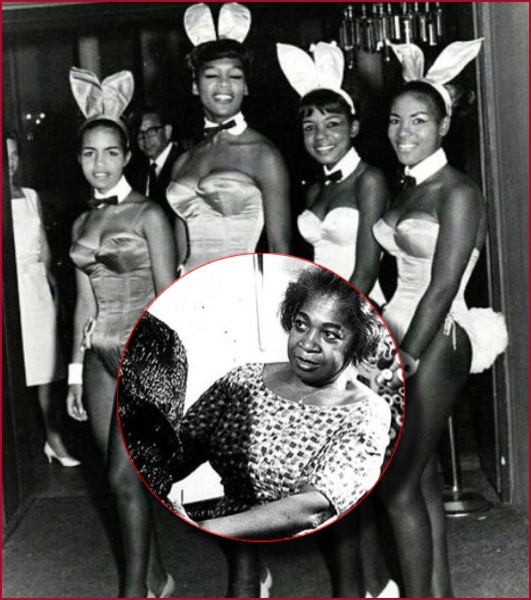
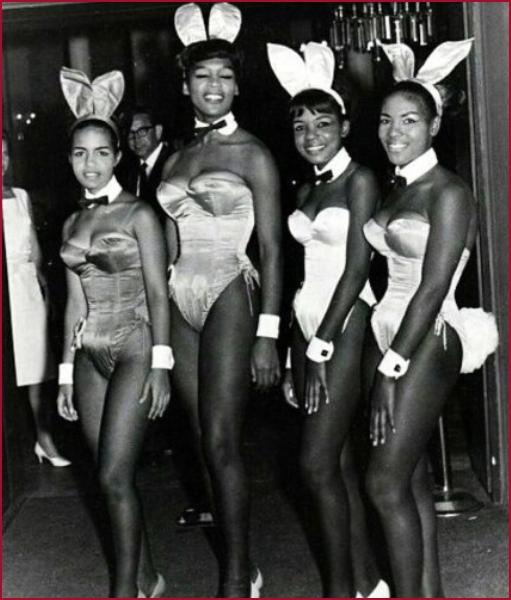
Valdes’ most widely known creation came in the early 1960s when she designed the original uniform for waitresses at Playboy Club, founded by Hugh Hefner.
The now-iconic “Playboy Bunny” costume — featuring a corseted bodice, satin ears, and tailored fit — became one of the most recognizable uniforms in American pop culture.
Fashion experts say the design reflected Valdes’ signature style: structured tailoring that captures both confidence and femininity.
A Mentor and Advocate for Black Designers
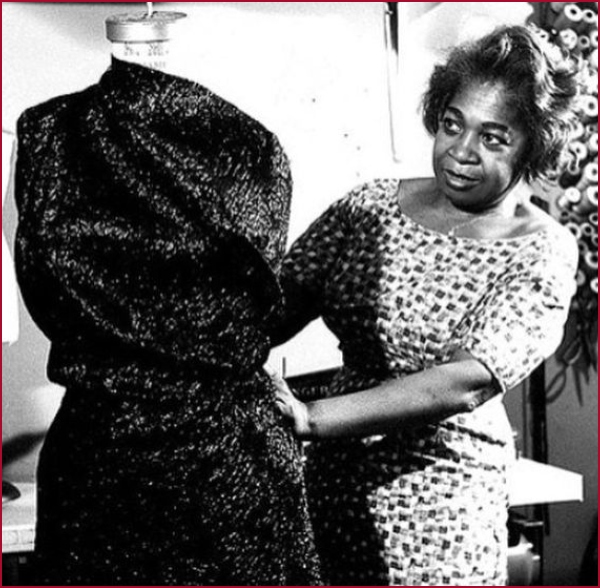
Beyond her own career, Valdes dedicated decades to mentoring younger creatives.
She co-founded the National Association of Fashion and Accessory Designers, an organization that supported Black professionals in an industry that often excluded them from mainstream opportunities.
Her work as an educator and mentor helped pave the way for future generations of designers of color.
A Legacy Long Overlooked — Now Reclaimed
Despite her groundbreaking achievements, Valdes’ name remained largely absent from mainstream fashion histories for decades — a gap scholars attribute to systemic racial barriers within the industry.
Today, museums, historians, and cultural institutions are working to restore her place in fashion history, recognizing her as one of the first Black designers to achieve national influence.
Her story highlights not only creative brilliance but also resilience — proving that Black women have long been architects of American culture, even when their contributions went uncredited.