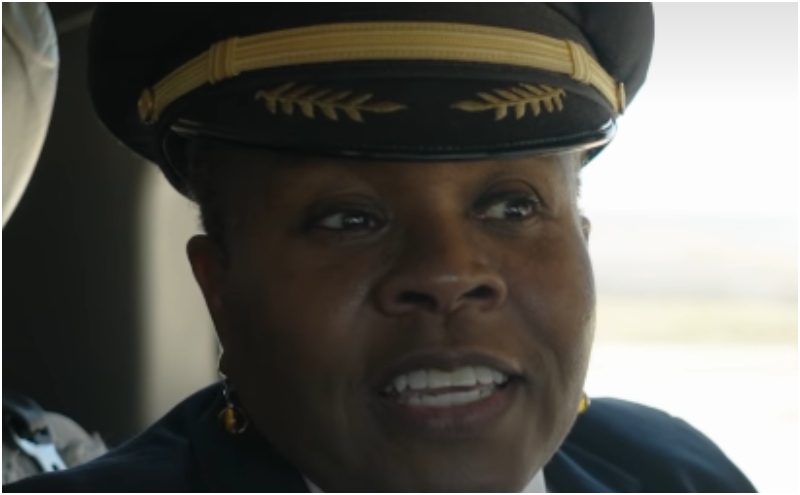
From breaking barriers in the U.S. Air Force to commanding a Boeing 787 for one of the world’s largest airlines, Captain Theresa Claiborne has spent her career redefining who belongs in the cockpit — and making sure others know they do, too.
“If little Black girls don’t know they can be pilots,” Claiborne says, “guess what? That’s not something they’re going to choose.”
Claiborne, who became the first Black woman pilot in the U.S. Air Force, shared her story in a short video posted by the Aircraft Owners and Pilots Association (@flywithaopa).
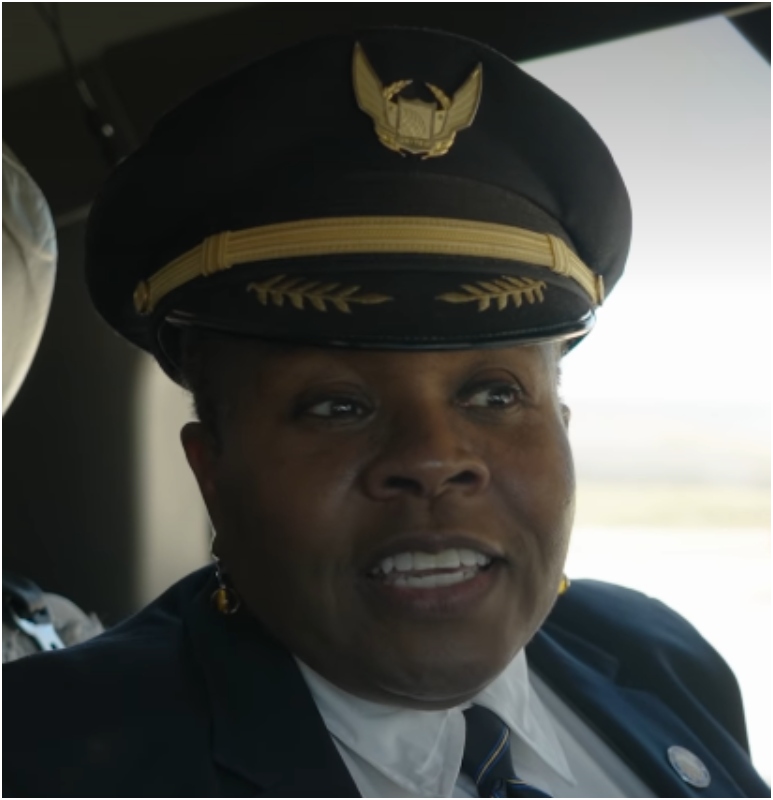
Her words offer more than a personal reflection; they serve as a clear diagnosis of why representation still matters in aviation.
After seven years of active duty, Claiborne didn’t step away from military aviation. Instead, she recommitted. The day after her service obligation ended, she reenlisted in the Air Force Reserves, continuing her flying career on the KC-135. About a year later, she joined United Airlines, where she now flies internationally as a 787 captain.
But Claiborne’s impact stretches far beyond her résumé.
As president of Sisters of the Skies, an organization dedicated to increasing the number of Black women pilots, she has helped build a pipeline for aspiring aviators who historically have not seen themselves reflected in the profession.
“We have a saying,” she explains. “If they can see it, they can be it.”
For much of aviation’s history, that visibility simply didn’t exist. Claiborne notes that flying was not a career passed down through generations in many Black families, not because of lack of interest, but because of lack of access and exposure. Only now, she says, are women like her beginning to see daughters and grandchildren who can imagine aviation as a real possibility.
Her vision for the future of flight is straightforward and unapologetic: an industry that reflects the world it serves.
“It looks multicultural,” she says. “It looks fair. Every color. Everybody. If you know what you’re doing, you should be flying.”
In an era when airlines and military institutions are grappling with workforce shortages and diversity gaps, Claiborne’s message lands with renewed urgency. Her career stands as proof that talent exists everywhere — opportunity does not.
And for the young girls watching her story unfold, especially those who have never seen someone who looks like them at the controls of an aircraft, Claiborne’s legacy offers a powerful takeaway: the sky is not the limit — it’s the starting point.