
What if a computer program could decide you’re not right for a job before a human ever sees your resume? Or deny your apartment application based on your zip code? This is the reality of artificial intelligence right now. But a powerful group of lawmakers is pushing a new law to stop it.
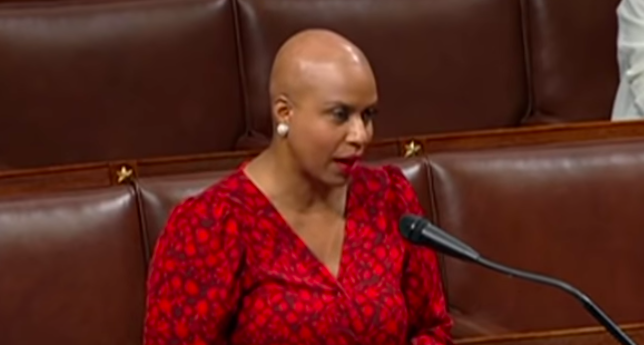
Led by Congresswoman Ayanna Pressley (D-MA) and Senator Ed Markey (D-MA), Democrats have reintroduced the AI Civil Rights Act. Their target? The hidden biases in the algorithms that are increasingly making life-changing decisions about hiring, housing, loans, and even policing.
“We cannot allow AI to be the latest chapter in America’s history of exploiting marginalized people,” said Rep. Pressley, putting the issue in clear, stark terms. The message is simple: technology built on old, biased data will produce new, biased results. And Black and brown communities often pay the price.
What This Bill Would Do
This isn’t just about tech. It’s about protection. The law would:
- Force companies to check their AI for racial and gender bias before using it to screen tenants, job applicants, or loan seekers.
- Demand transparency, meaning companies have to explain how these “black box” systems make their decisions.
- Hold companies accountable if their algorithms discriminate, giving civil rights agencies the power to investigate and penalize them.
Think about it: a hiring algorithm trained on past hires from a non-diverse company might overlook resumes from HBCU graduates. A housing algorithm might unfairly penalize applicants from historically redlined neighborhoods. This bill aims to cut that off at the source.
Why It Matters to Our Community
For women of color, who face the intersection of racial and gender bias, the stakes are doubly high. An AI tool might filter out a woman’s resume because it detects a gap in employment for childcare, or misjudge the tone of her voice in a video interview analysis.
“I’m grateful for the partnership on this bill,” said Rep. Summer Lee (D-PA). “We can and should be innovative with our technology, but never at the cost of our civil rights.”
The bill is backed by a powerhouse coalition of advocates we trust, including the Lawyers’ Committee for Civil Rights Under Law, the NAACP, and the National Urban League.
The fight to pass this bill will be tough against a powerful tech industry and political opposition. But its very existence forces a critical question: Will we let automation quietly repeat the injustices of the past, or will we build a future where technology is fair?
This legislation is a direct line of defense. It says our data, our lives, and our opportunities are not to be processed by biased code.


