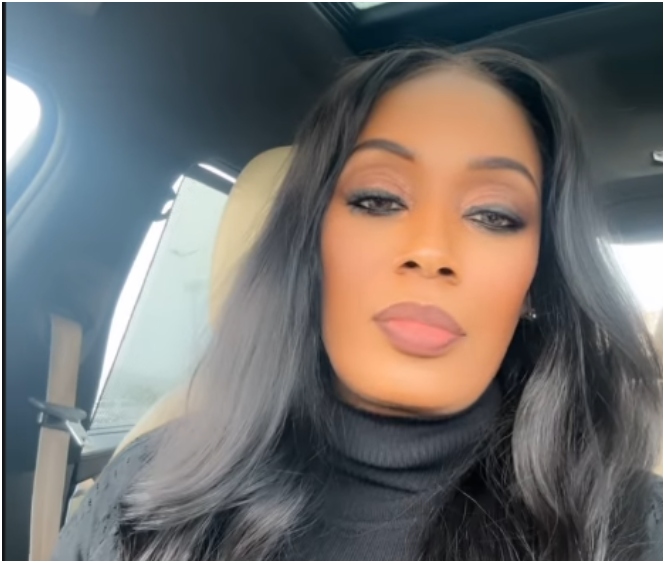
An Instagram post by U.S.-based pastor and author Dr. Lestine Bell has sparked backlash after she urged single women to embrace celibacy in 2026.
According to her, premarital sex is both spiritual bondage and idolatry.
In a video shared with her followers, Bell declared that sexual abstinence is not only achievable but essential for spiritual growth, arguing that casual sex creates what she calls “ungodly soul ties” that hinder women emotionally, financially, and spiritually. Her message, delivered in uncompromising language, quickly gained traction — and backlash — online.
“This is why I do not allow men to touch me,” Bell said. “And this is why single ladies should not allow men to touch them either. Just because a man sleeps with you does not mean he loves you.”
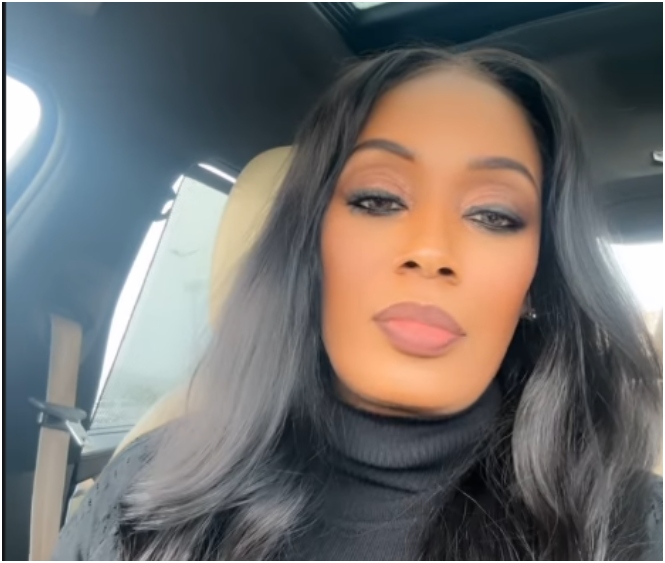
Bell, who describes herself as being on a mission to “snatch souls from the kingdom of darkness,” spoke about fornication as a false covenant that distracts women from faith, purpose, and personal development. She argued that many women move too quickly into sexual relationships without truly knowing a partner’s character, leaving them emotionally entangled long after the relationship collapses.
According to Bell, repeated cycles of intimacy and breakups force women to spend their “single season” healing from emotional bonds rather than pursuing spiritual growth, financial stability, and self-healing.
Her comments coincided with the release of her new book, Breaking Ungodly Soul Ties, which she promoted during the video. Bell said the book is designed to help women heal from trauma, refocus their lives around faith, and move forward without what she describes as spiritual and emotional residue from past relationships.
“2026 is not the year to be depressed over men who didn’t want you,” she said. “It’s time to get your mind right, your money right, and your Master right — Jesus Christ.”
The video has divided audiences. Supporters praised Bell for addressing what they see as overlooked emotional consequences of casual sex and applauded her emphasis on healing and self-discipline. Critics, however, accused her of shaming women, oversimplifying relationships, and using fear-based religious rhetoric to promote her book.
The post reflects a broader trend of faith-based influencers using social media to challenge modern dating norms, particularly among younger women navigating relationships, identity, and spirituality in the digital age.