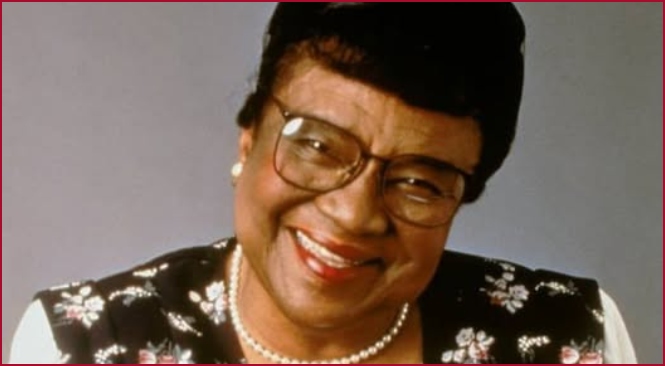
For millions of TV viewers, she was simply Mother Winslow — the sharp-tongued, loving matriarch who anchored a fictional Chicago household.
But behind that beloved character stood a trailblazer whose real-life impact stretched far beyond sitcom screens.
Rosetta LeNoire, best known for playing Estelle Winslow on Family Matters, was already a powerhouse in American theater decades before she became a household name.
A Career That Began Breaking Barriers
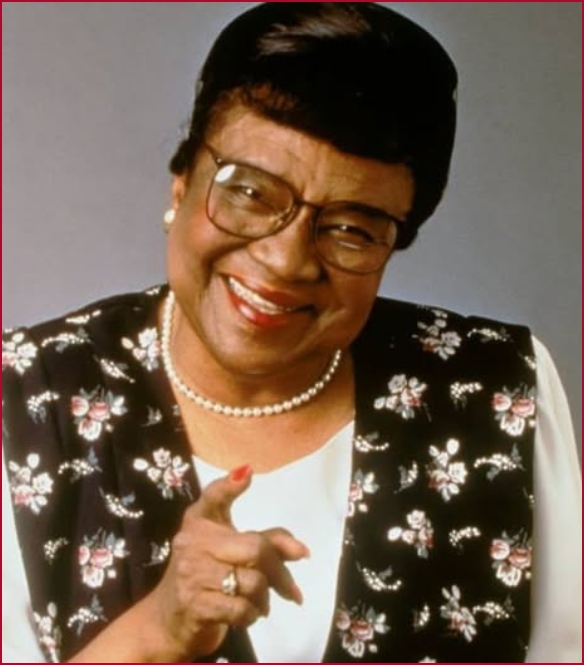
LeNoire’s rise in entertainment began during an era when opportunities for Black performers were scarce. As a young actress, she appeared in Orson Welles’ groundbreaking all-Black stage production of Macbeth in 1936 — a historic moment that challenged segregation in American theater.
She went on to build a long career on stage, navigating an industry where Black actors were often limited to stereotypical roles.
Champion of Representation
In 1968, LeNoire founded the AMAS Repertory Theatre with a bold mission: prove that talent transcends race.
At a time when “diversity” was not yet a mainstream concept, she pushed for nontraditional casting and opened doors for minority actors on stage and television.
Her advocacy extended beyond performance. She worked to improve fair representation in entertainment — efforts that helped reshape opportunities for future generations.
LeNoire’s decades of contributions were formally recognized in 1999 when she received the National Medal of Arts — one of the nation’s highest artistic honors.
Becoming Mother Winslow
When she joined Family Matters in the late 1980s, LeNoire brought nearly 50 years of experience to the role of Estelle Winslow — a wise, outspoken grandmother known for defending her family and showing kindness to outsider characters like Steve Urkel.
Producers sought a veteran performer who could bring credibility and warmth to the series, and LeNoire quickly won them over with her commanding presence and maternal charm.
Though health challenges later reduced her screen time, her portrayal left a lasting imprint on audiences.
More Than a TV Matriarch
During Black History Month, LeNoire’s legacy stands as a reminder that behind many beloved characters are pioneers who helped reshape cultural representation.
She wasn’t just the heart of a fictional family — she was part of a movement that helped transform American entertainment.